



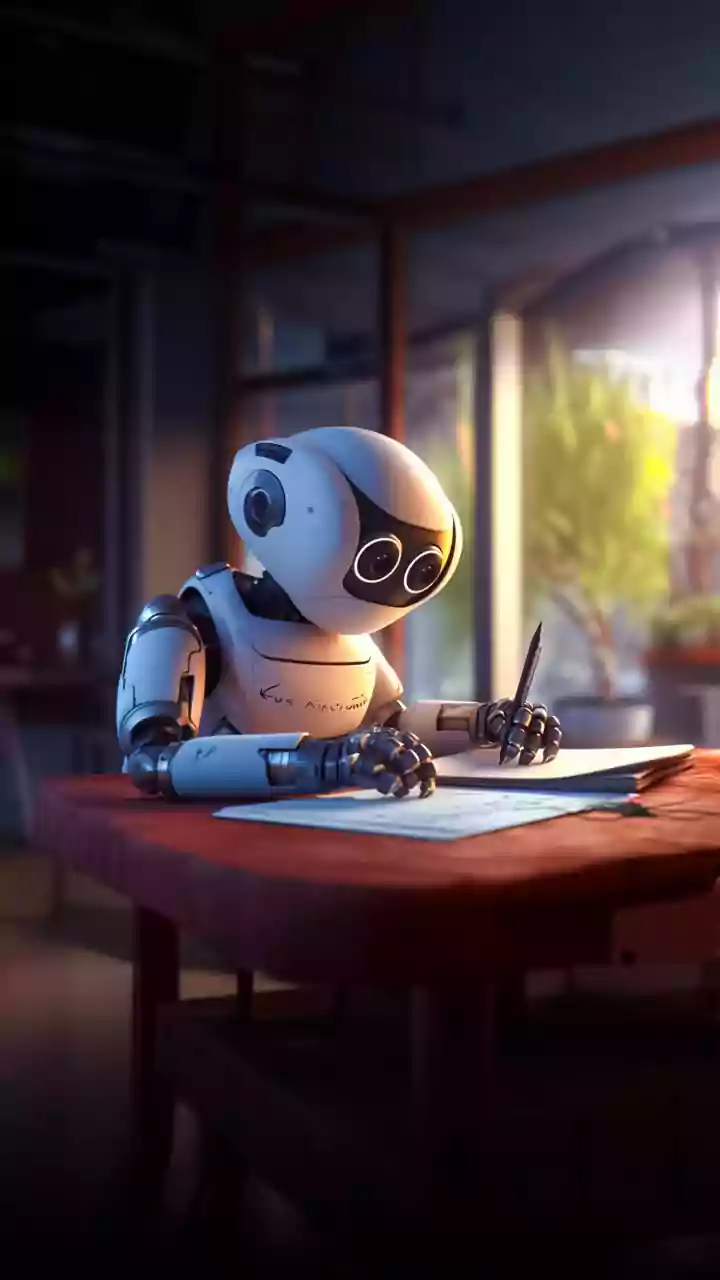




The New Digital Coworker
Artificial intelligence has moved from a futuristic concept to a practical tool in offices worldwide. For professionals in fields like software development and content creation, AI is less of a threat and more of a new, highly efficient coworker. These
AI systems, often called copilots or assistants, are being integrated directly into workflows to handle repetitive and time-consuming tasks. This allows human professionals to offload the grunt work and dedicate their brainpower to more complex, strategic, and creative challenges. The core of the job isn't disappearing; it's evolving. The emphasis is shifting from the manual act of producing—whether it's lines of code or paragraphs of text—to guiding, refining, and validating what AI generates.
How AI Is Reshaping Coding
For software engineers, the days of manually typing out every single line of boilerplate code are fading. AI-powered tools like GitHub Copilot, Tabnine, and Amazon Q Developer now function as pair programmers, offering intelligent code completions, generating entire functions from natural language prompts, and even helping to debug complex problems. This doesn’t make coders obsolete. Instead, it elevates their role. The true value of a software engineer was never just typing syntax; it was about turning a business need into a secure, reliable, and efficient system. With AI handling first drafts, developers can focus more on system architecture, ensuring security compliance, and overseeing the entire delivery process. The most valuable skill is no longer just writing code, but proving that the code is correct, safe, and ready to ship.
The Evolution of the Content Creator
In the world of content and marketing, generative AI tools are revolutionizing the creative process. They can brainstorm headlines, draft social media posts, analyze audience data for trends, and even generate images from a simple text description. However, this doesn't spell the end for writers and creators. While AI can produce content, it often lacks the emotional nuance, cultural relevance, and authentic voice that connects with an audience. The job is shifting from pure generation to a more curatorial and strategic role. Creators are now using AI as a starting point, freeing up time to focus on creative direction, storytelling, brand strategy, and building genuine community engagement—tasks that still require a distinctly human touch.
The Rise of Human Oversight
As AI becomes more integrated into our professional lives, a new and critical skill set is emerging: human oversight. Professionals in both coding and content are becoming the essential 'human-in-the-loop,' responsible for guiding AI, evaluating its output, and correcting its mistakes. This requires a sharp eye for detail, strong ethical judgment, and deep domain expertise. For instance, developers must rigorously test and secure AI-generated code, treating it like a draft from a junior team member. Similarly, content strategists must ensure that AI-produced text is factually accurate, original, and free from inherited biases. The ability to ask the right questions, critically assess the answers, and make final decisions remains a fundamentally human responsibility.