


The Allure of Fresh Food
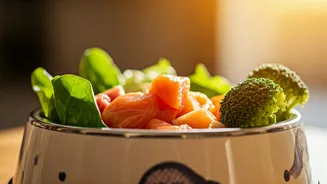
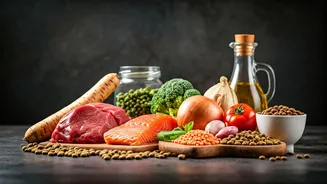
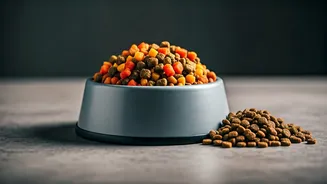
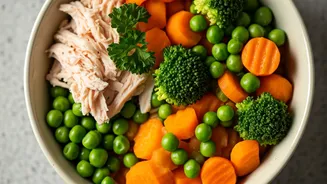
More pet parents are looking for transparency in what goes into their dog's bowl, moving away from the highly processed nature of traditional dry kibble. The fresh food movement is driven by a desire for whole, recognizable ingredients, similar to the food humans
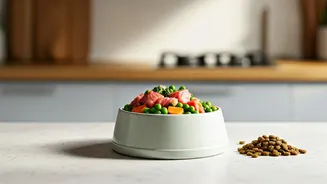
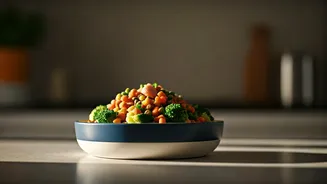
eat. Proponents believe these diets, often featuring gently cooked meats and vegetables, offer superior nutrition. This has led to a boom in fresh food delivery services that offer pre-portioned, vet-formulated meals tailored to a dog's specific needs, such as age, weight, and activity level. Many owners make the switch hoping to address issues like picky eating, dull coats, or digestive sensitivities.
Potential Perks for Your Pup
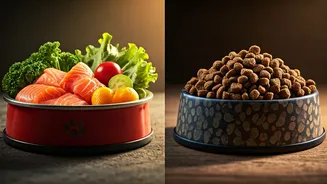
One of the most widely reported benefits of a fresh diet is improved digestibility. Because the food is less processed and cooked at lower temperatures, nutrients are often more readily available for the body to absorb. This can translate to smaller, firmer stools—a sign that your dog is getting more out of their food. Another key advantage is the high moisture content, which is typically around 70% compared to just 10% in kibble. This helps keep your dog hydrated, which supports kidney function and overall health. Owners often report visible improvements in their dog's coat, energy levels, and appetite, especially in picky eaters or senior dogs.
The Risks and Realities
Despite the benefits, fresh feeding is not without its challenges. The biggest risk, particularly with homemade diets, is nutritional imbalance. Dogs have specific needs for a precise balance of proteins, fats, vitamins, and minerals that can be difficult to meet without expert guidance. A diet lacking key nutrients like certain amino acids or the correct calcium-to-phosphorus ratio can lead to serious health issues over time. There's also a risk of bacterial contamination, like Salmonella or E. coli, if raw or cooked ingredients are not handled and stored correctly. Finally, both homemade and commercial fresh food options are significantly more expensive and time-consuming than kibble.
Choosing Your Path: DIY or Delivery
If you're considering a fresh diet, you have two main options: making it yourself or signing up for a delivery service. The DIY route offers total control over ingredients but requires a significant commitment to research and preparation to ensure the meals are nutritionally complete and balanced. It is highly recommended to work with a board-certified veterinary nutritionist to formulate a recipe. Commercial delivery services offer convenience and peace of mind, as reputable companies work with veterinary nutritionists to create recipes that meet AAFCO (Association of American Feed Control Officials) standards for a "complete and balanced" diet. This eliminates the guesswork, but it comes at a premium price.
The Four-Step Transition Playbook
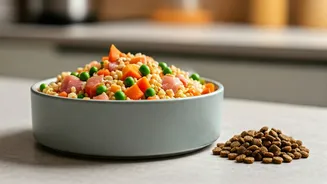
Switching your dog's food abruptly can cause digestive upset like diarrhea or vomiting. A gradual transition over 7 to 10 days is the safest approach. Start by consulting your veterinarian to ensure the switch is right for your dog. Once you have your vet's approval and have chosen a balanced food, follow this simple mixing plan: Days 1-3: Serve a mix of 75% old food and 25% new food. Days 4-6: Adjust the ratio to 50% old food and 50% new food. Days 7-9: Move to 25% old food and 75% new food. Day 10: Transition to 100% new food. Throughout this period, monitor your dog's appetite, energy, and stool quality. If you notice any persistent issues, slow down the transition or consult your vet.