




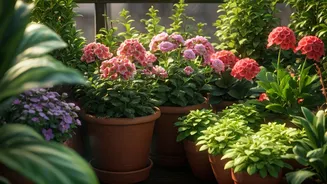



From Grandma’s Hobby to Millennial Mission
For generations, gardening in India was often associated with sprawling ancestral homes or a quiet post-retirement pastime. Today, that image is being completely overturned by a new generation of urbanites. In cities like Bengaluru, Mumbai, and Delhi,
young professionals are embracing the soil, transforming their compact urban dwellings into lush green sanctuaries. This isn't just about growing a few marigolds. It's a full-blown movement, driven by a desire for a healthier, more sustainable, and aesthetically pleasing lifestyle. The modern urban gardener is a 'plant parent,' curating their collection of succulents, herbs, and exotic greens with the same passion a sneakerhead collects shoes. It's a hobby that signals mindfulness, eco-consciousness, and a sophisticated taste for nature.
The Balcony-to-Table Revolution
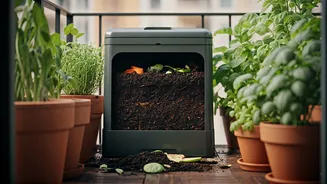
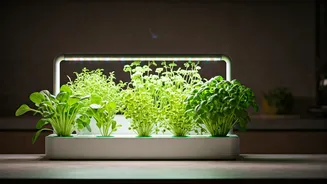
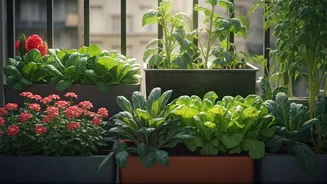
One of the most powerful drivers of this trend is food. Concerns over pesticide-laden produce and a growing wellness movement have pushed many to seek out cleaner, fresher alternatives. What could be fresher than picking your own tomatoes, chillies, or mint from a pot just steps away from your kitchen? This 'hyperlocal' food source provides not only superior taste and nutrition but also a deep sense of satisfaction and food security. Startups have tapped into this desire, offering everything from self-watering pots and organic soil mixes to complete DIY microgreen kits designed for small apartment balconies. Growing your own food, even on a small scale, is an empowering act that reconnects urban dwellers with the natural cycles of food production, a connection long lost in the aisles of a supermarket.
A Green Escape in the Concrete Jungle
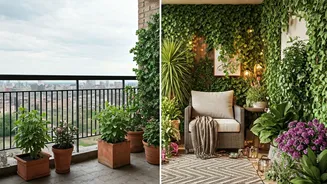
Beyond the plate, the psychological benefits of urban gardening are immense. For those navigating the high-stress, fast-paced life of a major Indian metropolis, a small patch of green offers a vital escape. The act of tending to plants—watering, pruning, and simply observing their growth—is a powerful form of mindfulness. It encourages you to slow down, focus on the present moment, and find beauty in small details. Studies have consistently shown that interacting with plants can reduce stress, anxiety, and blood pressure. In cities grappling with noise and air pollution, a balcony garden becomes a personal oasis, a pocket of clean air and tranquility that helps buffer the chaos of the outside world. It’s a therapeutic hobby that nurtures the gardener as much as the garden.
The Instagram-Worthy Aesthetic
Let's be honest: a huge part of what makes urban gardening 'cool' is its visual appeal. In the age of social media, our homes are extensions of our personal brand, and a well-styled indoor jungle is the ultimate accessory. Platforms like Instagram and Pinterest are flooded with images of beautifully curated plant corners, cascading pothos vines, and minimalist terracotta pots. The hashtag #urbanjungle has millions of posts, showcasing how plants are being used as living decor to add colour, texture, and life to modern interiors. This isn't just about vanity; it’s about a design ethos that prioritizes biophilia—our innate human need to connect with nature. A fiddle-leaf fig in the corner or a shelf of succulents isn't just a plant; it's a piece of living art that makes a space feel more vibrant, welcoming, and alive.
Building Communities, One Rooftop at a Time
The gardening bug isn't just a solitary pursuit. It’s also fostering a new sense of community in otherwise anonymous urban landscapes. Across cities, residents are coming together to create community gardens on shared rooftops, terraces, and neglected plots of land. These initiatives not only beautify common spaces and provide fresh produce but also create powerful social bonds. Neighbours who may have never spoken before are now sharing gardening tips, swapping seeds, and working together towards a common goal. Online forums and WhatsApp groups dedicated to urban gardening in specific cities have become bustling hubs of knowledge exchange and encouragement, proving that while a garden may start with a single seed, its true power lies in the connections it helps grow.