







The Critical Importance of a Perfect Seal
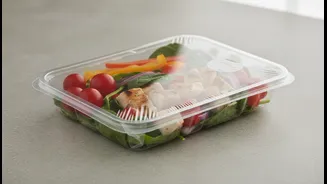
The first line of defence against spoilage and contamination is an airtight seal. An improper seal allows moisture and airborne microbes to enter, compromising the food's freshness and safety. For dry goods like snacks, mathri, or dry fruits, vacuum sealing
is an excellent option to extend shelf life and preserve texture. For items with gravies, dals, or pickles, a truly leak-proof container is non-negotiable. Opt for round plastic containers with secure, click-lock lids. As an extra precaution for semi-liquid items, you can place a layer of cling film over the container's opening before pressing the lid on, creating a double barrier against spills. This simple step is crucial, as even a small leak can ruin the entire parcel.
Achieving Stability: How to Prevent Damage in Transit
A food parcel will be tilted, shaken, and stacked during its journey. Building a stable package is key to ensuring the contents don't get crushed, bruised, or mixed together. Always use a sturdy, new corrugated cardboard box as the outer layer. Inside, if you're using a foam cooler or multiple smaller containers, fill any empty space with padding. Materials like bubble wrap or even crumpled paper can be used to provide at least two inches of cushioning around your food containers. When packing multiple items, place the heaviest and largest items at the bottom to create a stable base, with lighter, more delicate items on top. This prevents items from being crushed under their own weight. The goal is to minimise movement within the box entirely.
No Sharps: Why Fasteners Like Pins Are a Major Hazard
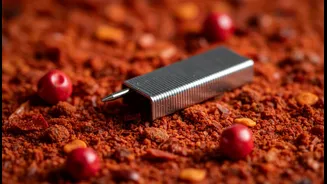
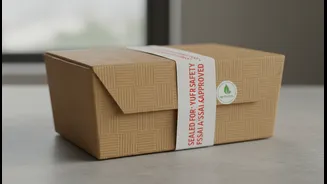
Using stapler pins, metal wires, or any other sharp fasteners to seal food packages is a dangerous practice that has been officially banned by the Food Safety and Standards Authority of India (FSSAI). These small metal objects can easily become dislodged and fall into the food, posing a serious risk of physical injury. If ingested, a staple pin can cause cuts in the mouth and throat, become a choking hazard, or even lead to severe internal damage requiring emergency medical intervention. The risk is particularly high for children. Furthermore, these pins can rust and introduce contaminants. Instead of staples, food businesses and individuals should use safer alternatives like food-grade adhesive tapes, heat sealing, or tamper-evident stickers to secure packages.
Choosing FSSAI-Approved Materials
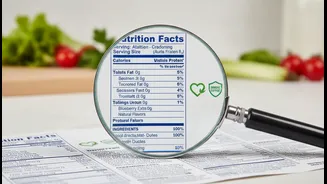
The material your food touches matters immensely. FSSAI regulations mandate that all packaging in direct contact with food must be 'food-grade'. This means the material has been tested and proven not to transfer harmful substances to the food. Common violations include using newspaper or non-food-grade recycled paper to wrap items, as the printing ink can contain harmful chemicals that leach into the food. For businesses, the FSSAI license number must also be displayed on the package. When packing at home, choose containers explicitly marked as food-safe. Materials like food-grade polypropylene (PP) for containers, aluminium foil for wrapping rotis, and glass jars are generally safe and reliable choices.
Managing Temperature for Perishable Items
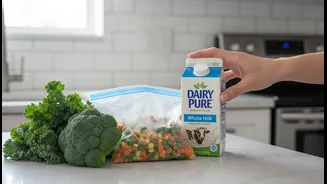
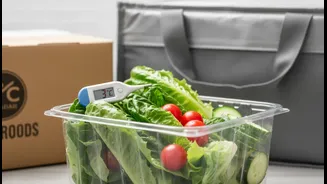
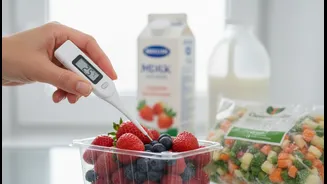
For perishable items that require refrigeration, temperature control is everything. Bacteria can multiply rapidly in the 'danger zone' between 4°C and 60°C. To keep food cool during transit, use frozen gel packs, which are generally better than regular ice as they don't melt and soak the package. Place the perishable food in an insulated foam container, add the gel packs, and then place the entire foam container inside a sturdy cardboard box. It's also a good practice to label the outside of the box clearly with "Perishable - Keep Refrigerated" and ship it at the beginning of the week to avoid it sitting in a warehouse over the weekend.