



In the modern Indian kitchen, a gentle tug-of-war is taking place. In one corner, the trendy superfood, quinoa. In the other, the timeless, humble lentil, or dal. Which one deserves a spot in your pantry? Let's break it down.
The Price Tag: A Tale of Two Pantries
Let's start with the most
practical consideration: cost. There is no contest here. Lentils, in all their glorious variety—toor, masoor, moong—are significantly more affordable. Depending on the type and quality, lentils typically retail for anywhere between ₹70 to ₹175 per kilogram. Quinoa, on the other hand, is a premium product. While prices have come down as domestic cultivation increases, it can still cost anywhere from ₹200 to over ₹400 per kilogram, often making it several times more expensive than dal. For a household that consumes grains and pulses daily, this price difference is substantial. If your primary goal is affordable, high-quality nutrition, the trusty lentil wins by a wide margin.
Nutritional Showdown: The Protein Question
This is where quinoa gets its 'superfood' reputation. Quinoa is one of the few plant-based foods considered a 'complete protein', meaning it contains all nine essential amino acids our bodies can't produce on their own. A cooked cup provides around 8 grams of protein. Lentils are a protein powerhouse in their own right, boasting about 18 grams of protein per cooked cup, which is more than double that of quinoa. However, lentils are technically an 'incomplete' protein, as they are low in certain amino acids like methionine and cysteine. But this is easily solved in the Indian diet. The age-old combination of dal and rice (or roti) creates a complete protein profile, with the grains providing the amino acids that lentils lack. So while quinoa offers convenience in a single package, the traditional dal-chawal combination is just as effective nutritionally. Beyond protein, lentils are richer in folate and iron, while quinoa has more magnesium.
Practicality in the Kitchen: Cooking and Prep
When you're rushing to get a meal on the table, ease of cooking is paramount. Both quinoa and lentils are relatively quick to prepare. Quinoa generally cooks in about 15-20 minutes, absorbing water much like rice. A crucial step with quinoa is to rinse it thoroughly before cooking to remove saponins, a natural coating that can give it a bitter or soapy taste. Lentils, especially split varieties like red masoor dal, also cook in about 20 minutes without needing to be soaked beforehand. They break down to create a creamy, thick consistency perfect for traditional Indian dal preparations. Whole lentils take longer but are equally straightforward. In terms of sheer convenience, both are on a fairly even footing, though lentils don't require the mandatory rinsing that quinoa does.
Versatility: Fitting into the Indian Meal
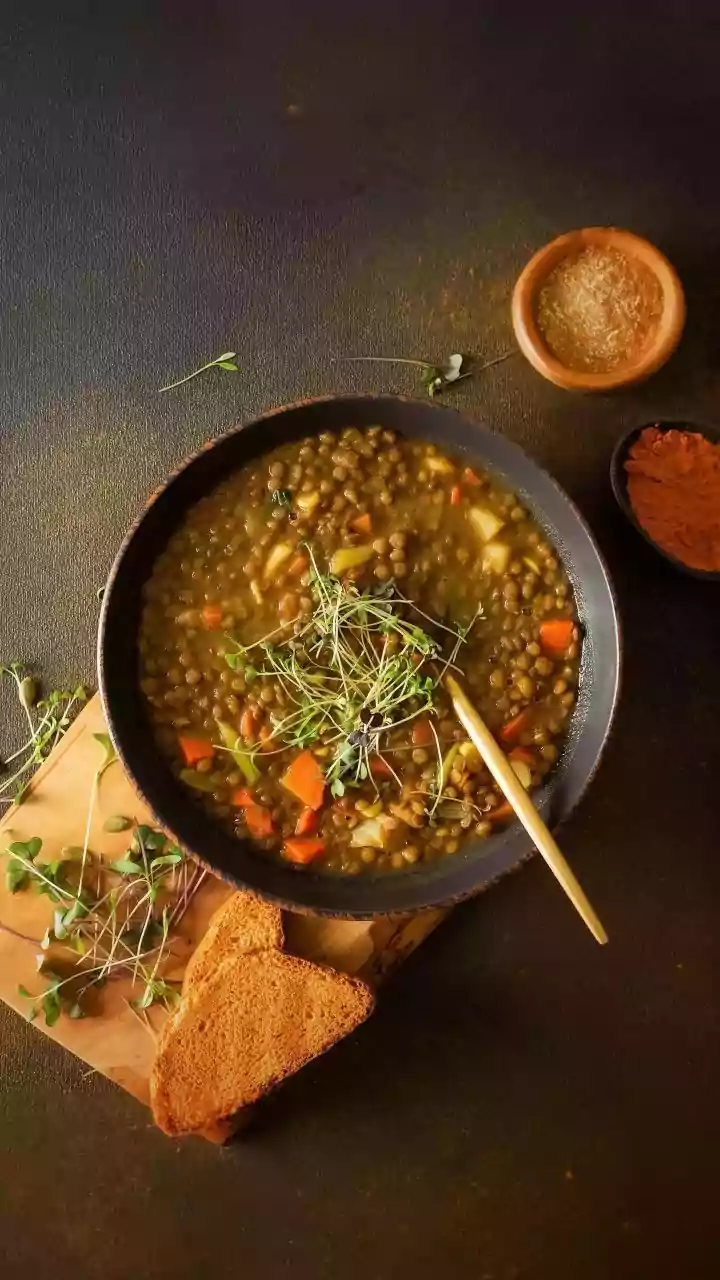
Here, lentils have a clear home-ground advantage. They are the backbone of countless regional dishes, from the everyday dal tadka and sambar to rich dal makhani and comforting khichdi. The flavour and texture of lentils are deeply woven into the fabric of Indian cuisine. Quinoa, with its South American origins, has a nuttier flavour and a more distinct, slightly crunchy texture. While it can be adapted for Indian dishes—think quinoa upma, pulao, or even khichdi—it doesn't blend in as seamlessly. It requires a bit of culinary adaptation to make it feel at home with Indian spices. Lentils, by contrast, are a natural fit, effortlessly absorbing the flavours of the tadka and complementing everything from rice to rotis.