





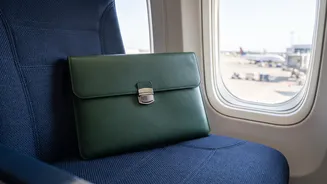
The Race Against the Clock
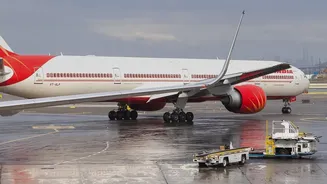
Before you can even turn around, the aircraft has already become the centre of a highly coordinated, time-sensitive operation known as the 'turnaround'. This is the critical period between a plane arriving at the gate and departing for its next flight.
For low-cost carriers, this can be as short as 25-30 minutes, while legacy airlines might schedule 45-60 minutes for the same type of plane. Every second counts, as an aircraft on the ground is a costly asset not generating revenue. This process is a ballet of efficiency involving multiple teams working at once: ground handlers, caterers, refuelling crews, cleaners, and maintenance staff all swarm the aircraft to prepare it for its next journey.
What Happens During a Turnaround
As soon as passengers disembark, the clock starts. The process includes deplaning, unloading cargo and baggage, refuelling, and restocking catering supplies. Simultaneously, a cleaning crew boards the aircraft. Their primary goal is speed and sanitation—clearing rubbish, wiping down surfaces, and preparing the cabin for the next wave of passengers. While they are often the ones to find forgotten items, their job is a blitz, not a deep search. The entire sequence is what's known as a 'critical path', where one delay can cascade and push back the departure time. By the time you notice your item is missing, the plane is likely already being refuelled, cleaned, and prepared for boarding.
Why You Can't Just Go Back
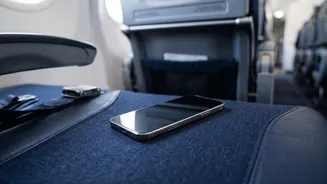
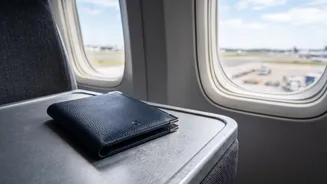
Once the turnaround process begins, the aircraft becomes a secure, active work zone. For safety and security reasons, passengers are not allowed to re-enter. If a crew member finds an item like a wallet or phone, it will be handed over to the airline's ground staff. From there, it enters the airline's specific lost-and-found system. It won't be waiting for you at the gate. By the time you’ve reached a customer service desk, your plane might already be pushing back for its next flight to a different city, with your lost item now on its own journey through the airline's internal logistics.
Your Action Plan for Lost Items
Time is of the essence. If you realize you've left something behind while still at the airport, do not leave. Head immediately to your airline’s baggage service office, usually located in the baggage claim area. If the plane is still at the gate, an agent may be able to help, but this is rare. The most crucial step is to file an official lost item report with the airline as soon as possible. Most major airlines like United and American Airlines have dedicated online forms for this. Be incredibly specific in your report: include your flight number, seat number, and a detailed description of the item, including brand, colour, size, and any unique marks. The more detail you provide, the higher the chance of a match.
Setting Realistic Expectations
Once you've filed a report, the airline will typically search for the item for about 30 days. You should receive email updates on the status of your report. However, it’s important to be realistic. While many items are recovered, the chances can be mixed. If your item is found, you will likely have to pay for shipping to have it returned. Items that are not claimed are usually held for a period of 30 to 90 days before being donated, destroyed, or auctioned. To prevent this headache in the future, always do a final check of your seat pocket, overhead bin, and under your seat before you stand up to deplane. A littlendownable identification tag inside your bag for a quicker return process.