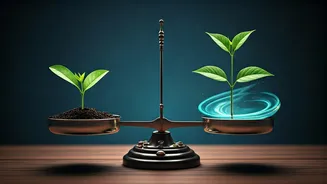









What Exactly Is Time Affluence?
At its core, time affluence is the opposite of 'time poverty'—that feeling of being constantly rushed and having too much to do with too little time. It’s the luxury of having an abundance of discretionary time, free from the obligations of work, chores,
and other commitments. Originally a concept reserved for the independently wealthy or the retired, it’s now becoming a mainstream aspiration, especially among millennials and Gen Z who are questioning the gospel of ‘hustle culture’. They are actively seeking careers, financial strategies, and lifestyles that prioritise free time over a higher paycheque. This might look like taking a sabbatical, switching to a four-day work week, becoming a freelancer, or achieving 'FIRE' (Financial Independence, Retire Early).
The Rise of a New Status Symbol
For decades, the visible markers of success were material: a luxury car, a large house, designer clothes. But in a world grappling with burnout, the ultimate status symbol is shifting from what you own to how you control your calendar. In urban India, this shift is palpable. The startup founder who cashes out and takes a year off to travel is admired not just for their wealth, but for their freedom. The creative freelancer who works on their own terms is seen as having ‘cracked the code’. Social media is filled with idealised portrayals of this life: slow mornings, passion projects, and serene vacations. The pandemic accelerated this trend, forcing many to re-evaluate their relationship with work and demonstrating that flexible schedules are not just possible but desirable. Time, not money, has become the new currency of success.
The Unexpected Sting of Freedom
This is where the dream meets a difficult reality. The ‘sting’ of time affluence is the collection of negative emotions that surface when the structure of a 9-to-5 life disappears. Without the forced rhythm of a job—the deadlines, the meetings, the commute, the colleague chatter—many people feel adrift. The problems are often psychological. First, there's the loneliness. Work provides a built-in social circle; without it, one must actively build a community, which is much harder. Then comes the loss of identity. For so many of us, what we do is who we are. When you no longer have a simple answer to “What do you do?”, it can trigger an existential crisis. Finally, there is the paradox of choice. With 16 empty hours in a day, the pressure to use them ‘productively’ or ‘meaningfully’ can be paralysing, leading to guilt and anxiety. Instead of blissful freedom, you experience boredom and a nagging sense of purposelessness.
An Indian Context
In India, this phenomenon carries unique social weight. We are culturally conditioned to value stability, respect defined career ladders, and see hard work as a moral virtue. Choosing to step off this treadmill can be deeply unsettling, not just for the individual but for their family and social circle. Explaining a sabbatical or a move to part-time work can be met with confusion or concern. The pressure to have a clear, upwardly mobile career path is immense. The ‘sting’ is therefore not just internal but external, involving the management of others’ expectations. The person who quits a high-paying MNC job to “find themselves” often faces a barrage of questions and subtle judgements that can compound their own private anxieties about their choice.
Making Time Affluence Work For You
The problem isn’t free time itself, but our lack of preparation for it. Navigating time affluence requires a conscious, deliberate approach. The key is to replace the externally imposed structure of a job with a personally meaningful one. This means creating routines, even simple ones like a dedicated wake-up time or a morning walk. It involves proactively seeking community, whether through hobby classes, volunteer work, or co-working spaces. It’s about pursuing interests for the pure joy of them, not because they can be monetised or turned into a side-hustle. The goal is to separate your identity from your professional output and find a sense of purpose that is durable and self-defined. This might mean mentoring, learning a new skill, or simply mastering the art of being present.