





Hiking and skateboarding are both fantastic for improving balance, but they exist in different worlds. One navigates rugged earth, the other glides over hard concrete. Understanding their unique demands is the key to practicing safely and effectively.
The Ground Beneath Your Feet
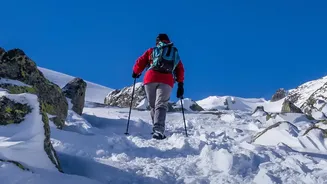
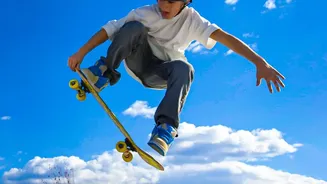
The fundamental difference between balancing while hiking versus skateboarding starts with the surface. Hiking trails are, by nature, unpredictable. You encounter uneven ground, slippery roots, loose rocks, and shifting dirt. This requires constant reactive balance, forcing your body to make small adjustments to prevent a fall. Your feet and ankles must be strong and flexible to handle varied terrain. In contrast, skateboarding occurs on predictable, hard surfaces like concrete or asphalt. The challenge isn't the ground itself, but the fact that you're on a moving board. This requires dynamic balance—the ability to maintain stability while in motion. Your core does the heavy lifting, working constantly to control your centre of gravity on an unstable platform.
Gearing Up for Stability vs. Impact
The safety gear for each activity tells a story about its risks. For hiking, the gear is primarily preventative. Sturdy hiking boots with ankle support are crucial to prevent twists and sprains on uneven terrain. Many hikers use trekking poles to create additional points of contact with the ground, significantly improving stability and reducing the load on their legs, especially on inclines and declines. Skateboarding gear, however, is designed to mitigate injury from inevitable falls. A helmet is the most critical piece of equipment to protect against head injuries on hard surfaces. Wrist guards, elbow pads, and knee pads are also standard, as falling is an accepted and necessary part of learning. This gear isn't meant to stop you from falling, but to absorb the impact when you do.
The Art of the Fall
In skateboarding, learning to fall is a core skill. It's not a matter of 'if' but 'when'. Skaters are taught to fall correctly by tucking their chin and rolling onto their shoulder, dissipating the force of the impact across a larger surface area and protecting their head and wrists. This acceptance of falling allows for progression and trying new tricks. In hiking, the entire goal is fall prevention. A fall on a remote trail, especially with a heavy pack, can lead to serious injuries like sprains or fractures and may require evacuation. Hikers are taught to watch their step, use poles for support, and maintain a steady pace to avoid missteps. The mindset is one of careful navigation and risk avoidance, not impact absorption.
Training Your Foundational Balance
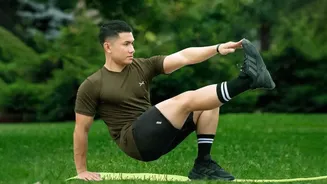
The exercises that improve balance for each activity also differ. To prepare for hiking, training often focuses on building leg and ankle strength, as well as proprioception—your body's awareness of its position in space. Exercises like single-leg stands (especially on an unstable surface like a cushion), calf raises, and lunges are highly effective. These movements build the stability needed to stay upright on shifting trails. For skateboarding, a strong and engaged core is paramount. Planks and other core-strengthening exercises are essential. Balance boards can also simulate the feeling of a skateboard and help you practice shifting your weight. The goal is to develop the quick reflexes and core control needed to manage a constantly moving platform.
Mindset and Environmental Awareness
Finally, the mental approach to balance is distinct. A hiker's focus is proactive and directed several feet ahead on the trail. They are constantly scanning for hazards like loose rocks, roots, or slippery patches to plan their next few steps safely. This is a game of strategic foot placement. A skateboarder's focus is more immediate and reactive. They must feel the board beneath their feet, making continuous, tiny adjustments with their ankles and core to stay balanced while in motion. While they also look ahead for major obstacles, much of their mental energy is devoted to the dynamic relationship between their body and the board.