






What’s Old Is New Again
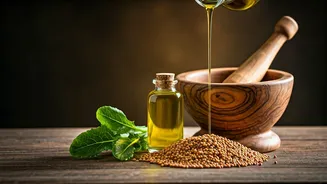
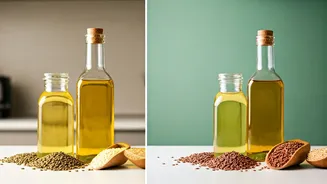
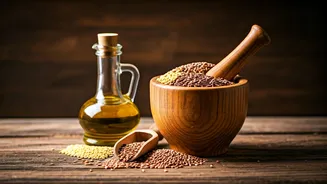
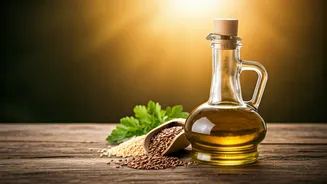
For generations, the rhythmic creak of the 'ghani' or 'chekku'—a traditional wooden press—was a familiar sound. This age-old method of extracting oil from seeds like mustard, sesame, coconut, and groundnut is known as cold-pressing. Unlike modern industrial
methods, it involves no high heat or chemical solvents. The seeds are simply crushed at a low temperature, a slow and gentle process that helps the oil retain its natural aroma, flavour, and, most importantly, its nutrient profile. For decades, these unrefined oils were pushed to the back of the shelf, replaced by the clear, odourless, and mass-marketed refined oils that promised purity and a longer shelf life. Today, the tables are turning, and what was once considered old-fashioned is now being celebrated as authentic and wholesome.
Refined vs. Cold-Pressed: What’s the Difference?
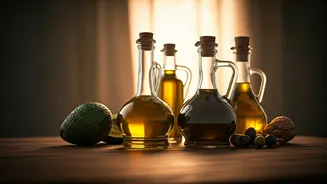
The primary distinction lies in the extraction process. Refined oils undergo high-heat processing, bleaching, and deodorising. They are often treated with chemical solvents like hexane to extract the maximum amount of oil from the seeds. While this process results in a neutral-tasting oil with a high smoke point and long shelf life, it also strips away many of the beneficial compounds, including antioxidants, vitamins, and polyphenols. Cold-pressed oils, on the other hand, are mechanically pressed without exceeding a certain temperature. This preserves the oil’s natural character and nutritional integrity. They are richer in antioxidants like Vitamin E and phytosterols, which are known to combat oxidative stress in the body. While they typically have a lower smoke point and a shorter shelf life, their robust flavour and nutritional density are the very qualities driving their comeback.
The Youth-Led Health Awakening
This revival isn't just about nostalgia; it's a conscious health choice, championed by millennials and Gen Z. Fuelled by a global wellness movement and armed with information from social media, this generation is questioning the 'health' claims that dominated the market for years. They are more interested in 'clean eating,' understanding ingredient lists, and embracing whole, unprocessed foods. The narrative has shifted from 'low-fat' to 'good fat.' Consumers are learning that fats from natural sources like coconut and groundnut, when unrefined, are crucial for bodily functions. This demographic is actively seeking out local, sustainable, and transparent brands that offer a direct connection to the food they consume. The rise of direct-to-consumer (D2C) brands selling artisanal, cold-pressed oils online has made these products more accessible than ever, bypassing traditional retail gatekeepers.
A Return to Culinary Roots
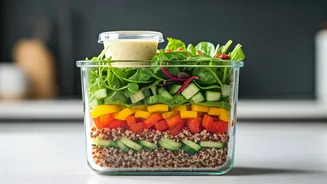
Beyond the health benefits, this trend represents a cultural reclamation. For many, using cold-pressed mustard oil in a fish curry or drizzling groundnut oil over a salad is a way of connecting with regional culinary traditions. These oils aren’t just a cooking medium; they are a flavour ingredient. The pungent kick of 'kachi ghani' mustard oil, the nutty aroma of sesame oil, and the sweet richness of coconut oil are integral to the taste profiles of countless Indian dishes. As young Indians explore their heritage through food, they are realising that the bland neutrality of refined oils often dilutes these authentic flavours. This rediscovery is not just about what’s healthy, but about what tastes real and feels rooted in identity.
Making an Informed Switch
If you're considering making the switch, it’s worth keeping a few things in mind. Cold-pressed oils have distinct, strong flavours, which can be a wonderful addition but may take some getting used to. Due to their lower smoke points, some are better suited for drizzling, dressings, and low-heat sautéing rather than deep-frying. Always check the label to ensure it says 'cold-pressed,' 'unrefined,' and 'wood-pressed/kachi ghani/chekku' for authenticity. Because they lack preservatives, these oils have a shorter shelf life and should be stored in a cool, dark place. Start by introducing one or two types into your pantry—perhaps a versatile groundnut oil for everyday cooking and a fragrant sesame oil for chutneys and marinades.