
Puttu and Kadala Curry
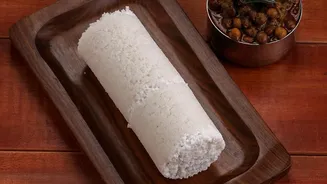
A breakfast icon across Kerala, Puttu is a deceptively simple dish with a unique texture. It consists of steamed cylinders of rice flour layered with freshly grated coconut, cooked in a special 'puttu kutti' vessel. The result is a soft, crumbly cake
that is light yet filling. While it can be paired with bananas or sugar, its most famous partner is Kadala Curry, a robust and spicy black chickpea gravy. The curry, rich with roasted coconut, onions, and a blend of spices, provides the perfect savoury and flavourful counterpoint to the mild, fluffy puttu. It’s a comforting combination that Malayalis cherish and a perfect, hearty start to a festive Onam morning.
Appam with Ishtu
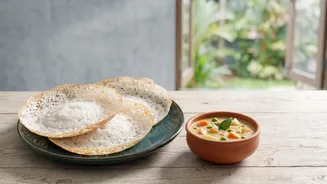
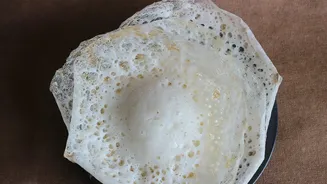
Appam, also known as hoppers, are bowl-shaped pancakes made from a fermented rice batter and coconut milk. They are famously soft and fluffy in the centre with delicate, crispy lace-like edges. The gentle sweetness from the coconut milk makes them delicious on their own, but they truly shine when paired with Ishtu, or stew. Kerala’s stew is a mild, fragrant, and creamy curry, typically made with chicken, mutton, or a medley of vegetables like potatoes, carrots, and green peas. Its subtle warmth comes from ginger, green chillies, and whole spices, all simmered in coconut milk. This pairing is a classic Christian-influenced dish from Southern Kerala but is beloved by all communities as a celebratory breakfast.
Pazham Pori
No list of Kerala snacks is complete without Pazham Pori. These golden, puffy fritters are a beloved teatime staple found in homes and roadside tea stalls ('chayakadas') across the state. The dish consists of ripe plantain (nendran pazham) slices, dipped in a simple batter of flour, a pinch of turmeric for colour, and a little sugar, then deep-fried to perfection. The magic lies in the contrast between the crispy, savoury batter and the sweet, soft, almost caramelised banana inside. It's a simple, comforting, and utterly addictive snack that evokes a sense of nostalgia for many Malayalis and is often enjoyed during festive gatherings.
Unniyappam
These small, round, fried sweets are a quintessential festive delicacy in Kerala and are often prepared as a sacred offering (prasadam) in temples. The name 'Unniyappam' translates to 'small rice pancake'. The batter is made from rice flour, ripe bananas, and melted jaggery, which gives the snack its deep, molasses-like sweetness and dark colour. Tiny pieces of fried coconut are often added for a delightful crunch. The mixture is then poured into a special pan with hemispherical moulds, known as an 'appakara' or Æbleskiver pan, and fried until dark brown and crispy on the outside while remaining soft and spongy inside.
Ilayada
Ilayada (or Ela Ada) is a beautiful example of how banana leaves are central to Kerala's culinary traditions. It's a healthy, steamed snack that is both a breakfast item and an evening treat. A soft dough made from rice flour is flattened onto a piece of banana leaf. This is then filled with a sweet, fragrant mixture of freshly grated coconut and jaggery, seasoned with cardamom powder. The leaf is folded in half, sealing the filling inside, and the entire parcel is steamed. The process infuses the dough with the subtle aroma of the banana leaf, resulting in a uniquely flavourful and nutritious delicacy.
Parippu Vada
For those who prefer a savoury, crunchy snack, Parippu Vada is a top contender. Also known as dal vada, this fritter is a popular evening snack, often enjoyed with a hot cup of tea. It is made from a coarse paste of chana dal (split chickpeas) mixed with finely chopped onions, green chillies, ginger, and curry leaves. Small portions of this thick mixture are flattened into discs and deep-fried until they are golden brown and incredibly crispy. The resulting vada is crunchy on the outside, flavourful and slightly softer on the inside, and offers a satisfying spicy kick.
Ada Pradhaman
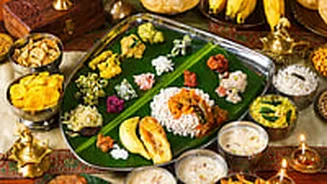
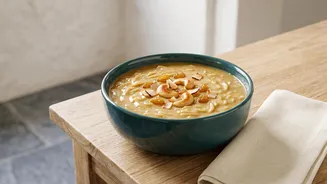
While Payasam is the generic term for the sweet dessert in a Sadya, Pradhamans are a class of their own, typically made with jaggery and coconut milk. Ada Pradhaman is one of the most cherished varieties. It features 'ada,' which are small, steamed rice pasta bits. These are slow-cooked in a rich, dark concoction of melted jaggery and thick coconut milk, flavoured with cardamom and often garnished with cashews, raisins, and coconut pieces fried in ghee. It's a much richer, darker, and more complex dessert compared to the milk-based Palada Payasam, offering a truly decadent finish to any festive meal.