





The Real Problem with Wet Clothes
Every seasoned traveller has a story about it: the pair of socks that refused to dry, the t-shirt packed slightly damp that made an entire suitcase smell of mildew, or the morning spent frantically waving a hair dryer over a favourite shirt. The challenge
isn't washing clothes on the road; it's getting them dry. Wet clothes are not just an inconvenience; they are heavy, can breed mould and unpleasant odours, and ultimately defeat the purpose of packing light by rendering items unwearable. Without access to a machine dryer, which is common in many parts of the world, your ability to air-dry garments efficiently becomes a critical travel skill. This is where the science of drying—and strategic planning—comes into play.
Your First Line of Defence: Fabric Choice
Your success begins before you even pack. The single most important factor in quick-drying laundry is fabric selection. Cotton and denim are the enemies of the travelling launderer; they are highly absorbent and can take days to dry in humid conditions. Instead, build your travel wardrobe around high-performance materials. Synthetics like polyester and nylon are hydrophobic, meaning they absorb very little water in the first place and dry incredibly quickly. Polyester, for instance, only absorbs about 0.4% of its own weight in moisture, allowing it to dry in as little as an hour in direct sun. Merino wool is another excellent choice. While it dries slower than synthetics, it dries much faster than cotton and has the added benefit of being naturally odour-resistant, allowing for multiple wears between washes. Blends that mix merino with nylon or polyester often provide the perfect balance of comfort, durability, and speedy drying.
The Art of the Sink Wash
Hand-washing is a traveller’s rite of passage. To do it right, you need a few key items: a universal sink plug (a flat rubber disc that covers any drain), and a solid or sheet-style laundry detergent to avoid liquid spills in your bag. Fill the sink with warm water, add your detergent, and then add your clothes. Let them soak for a bit before gently agitating them, paying extra attention to soiled areas. Once clean, drain the soapy water, rinse the clothes thoroughly with clean water until the soap is gone, and then prepare for the most crucial step: water removal.
Mastering the Air-Dry with the 'Burrito Method'
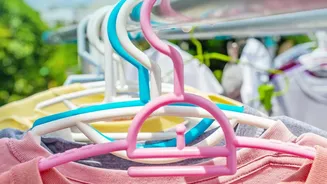
Getting as much water out as possible before hanging is non-negotiable for a quick dry. This is where the celebrated “burrito method” comes in. Lay a clean, dry towel flat and place your wet garment on top of it. Tightly roll the towel and the garment together, like a burrito. Once rolled, press, twist, or even step on the roll. The absorbent towel will wick a significant amount of excess moisture from your clothing, dramatically cutting down on drying time. After unrolling, your garment will be damp rather than soaking wet. Now, hang it to dry. Use hangers whenever possible and give each item space for air to circulate. A travel clothesline can be useful, but even a hook on the back of a door or a chair back will work in a pinch.
Climate, Airflow, and Location
Where you hang your clothes matters immensely. The key to evaporation is air that is not already saturated with moisture. Therefore, a hot but humid day can be worse for drying than a cool, dry, and windy day. Look for a spot with good airflow—near an open window (if not rainy), a balcony, or an air conditioning vent. A stuffy, steamy bathroom is often the worst place to dry clothes unless it has an excellent ventilation fan. If you're in a very humid climate, you may need to accept that even quick-drying fabrics will take longer. In these situations, plan your laundry for a day when you’re staying in one place for at least two nights to give your clothes a fighting chance to dry completely.