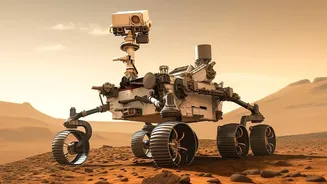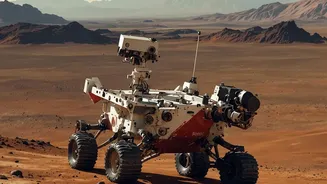



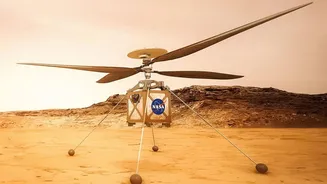

For years, NASA's Perseverance rover has collected priceless rock samples on Mars. Now, the grand plan to bring them home has hit a major snag, forcing the agency to find a new, smarter, and cheaper way to retrieve this cosmic treasure.
The Prize on the Red Planet
Since landing in Mars'
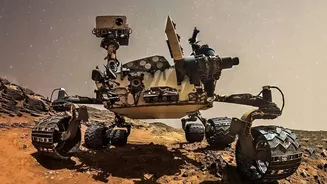
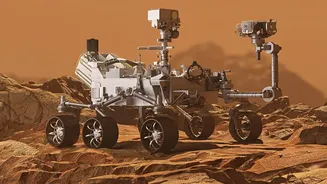
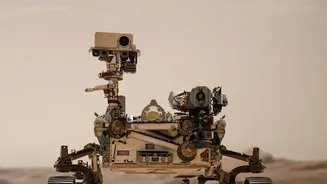
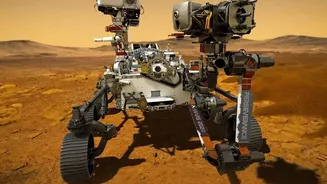
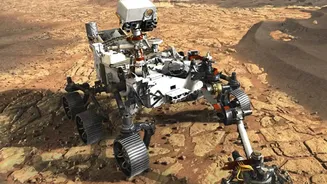
Jezero Crater in February 2021, the Perseverance rover has been doing more than just taking stunning photos. It has been methodically drilling, collecting, and storing pristine samples of Martian rock and soil in titanium tubes. The landing site, an ancient river delta, was chosen specifically because it is one of the most likely places to find preserved evidence of past microbial life. These samples are considered a scientific holy grail, promising to revolutionize our understanding of Mars' geology, climate history, and whether life ever existed on another planet. Analyzing them in advanced labs on Earth is a top priority for the international science community.
A Mission of Unprecedented Scale
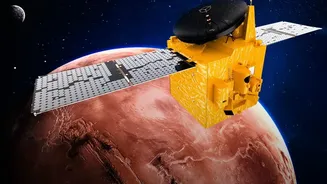
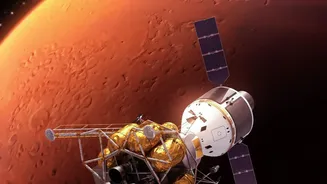
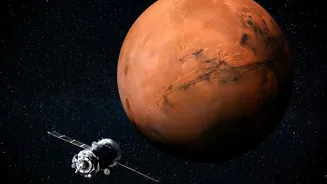
The original Mars Sample Return (MSR) mission, a joint effort with the European Space Agency (ESA), was a marvel of engineering ambition. The complex, multi-stage plan involved sending a lander to Mars, having the rover deliver its cached samples, and then launching a small rocket—the Mars Ascent Vehicle (MAV)—from the Martian surface. This rocket would place the sample container into orbit, where an ESA-built orbiter would capture it for the long journey back to Earth. It was a groundbreaking plan involving multiple spacecraft and the first-ever rocket launch from another planet.
When Grand Plans Hit Reality
The mission's complexity proved to be its undoing. An independent review board concluded last year that the original plan was simply not feasible within a reasonable budget or timeline. The projected cost had soared from early estimates of around $5 billion to a staggering $11 billion. Even more concerning, the return date for the samples had slipped to 2040, a delay that NASA Administrator Bill Nelson deemed 'unacceptable'. Faced with a plan that was too expensive and too slow, NASA was forced to hit the pause button and go back to the drawing board.
Charting a New Course
In response, NASA has officially rebooted its strategy. The agency announced it is soliciting new, innovative, and more affordable concepts from its own research centers and private industry partners. The goal is to develop a faster, leaner, and less risky mission architecture. In early November 2026, NASA detailed its new approach, called the Perseverance Sample Retrieval Architecture (PSRA), which will kick off in January 2027 to evaluate new options. The agency is now considering streamlined proposals, potentially involving a single lander and tapping into commercial capabilities from companies like SpaceX or Blue Origin, which could provide heavy-lift landing services.
The Race Against Time and a Rising Competitor
The reset introduces new urgency. The samples collected by Perseverance are waiting, and scientists are eager to get their hands on them. But the hardware must be robust and the mission launched in a timely manner. Adding another layer of complexity is the international context. China is moving forward with its own ambitious sample return mission, Tianwen-3, which aims to launch by 2028 and return samples as early as 2031. This puts pressure on NASA to not only succeed but also to avoid being lapped in a key area of planetary science. The new proposals aim for a return in the 2030s, with costs hopefully contained between $5 billion and $7 billion.