


An Ancient Secret Rediscovered
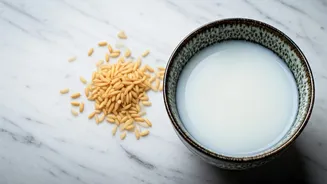
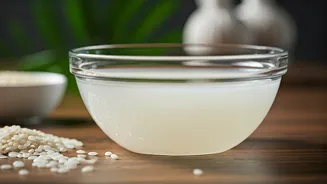
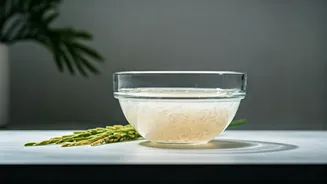
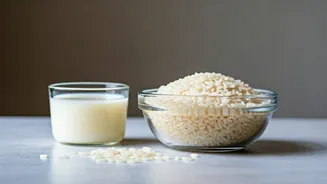
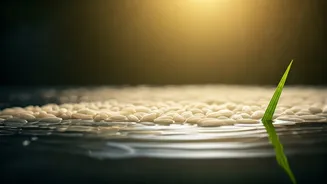
Before it was a viral TikTok hack, rice water was a revered beauty staple across Asia for centuries. This isn't just leftover cooking water; it's the milky liquid packed with starch, vitamins, and minerals that remains after soaking or boiling rice. Its
use dates back to the Heian period in Japan (794 to 1185 AD), where court ladies were famed for their floor-length hair, which they reportedly maintained by bathing it in rice water. Further south, the Yao women of China’s Huangluo village, who feature in the Guinness Book of World Records for their exceptionally long and healthy hair, have passed down the tradition for generations. This rich history gives rice water a sense of authenticity that most modern trends lack.
Why the Modern Comeback?
So, why is everyone suddenly talking about it again? The resurgence can be traced to a few key cultural shifts. First, the global obsession with K-beauty and J-beauty, which champions gentle, natural, and ingredient-focused skincare, has put traditional Asian practices in the spotlight. Second, there's a growing movement towards 'skinimalism' and DIY beauty. Consumers are increasingly wary of long, unpronounceable ingredient lists and expensive products, turning instead to simple, affordable, and sustainable alternatives they can make at home. Finally, social media has acted as a powerful amplifier, with countless tutorials and testimonials showcasing dramatic 'before and after' results for hair and skin, turning an ancient secret into a viral sensation.
The Science Behind the Shine
While ancient wisdom is compelling, many wonder if there’s any science to back up the claims. The benefits of rice water are thought to come from its nutrient-dense composition. It’s rich in amino acids, which are the building blocks of protein for hair and skin cells. It also contains vitamins B and E, antioxidants like ferulic acid, and minerals. The star ingredient is often cited as inositol, a carbohydrate that studies suggest can penetrate damaged hair and repair it from within, while also protecting it from future damage. For skin, the starch content is believed to have a soothing effect, helping to calm inflammation and support the skin’s natural barrier.
Reported Benefits for Hair and Skin
Enthusiasts claim a wide range of benefits. For hair, it is said to detangle, increase shine, improve strength and elasticity, and promote growth by improving scalp health. As a rinse, it can leave hair feeling smoother and less prone to breakage. For skin, rice water is used as a gentle cleanser or toner. It's believed to brighten the complexion, tighten pores, soothe irritated skin (like sunburns and eczema), and reduce inflammation. While many of these benefits are anecdotal and based on tradition, the gentle, nutrient-rich nature of rice water makes it a low-risk option for most people to try.
Your DIY Guide to Making It
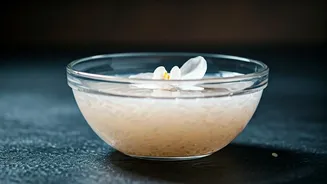
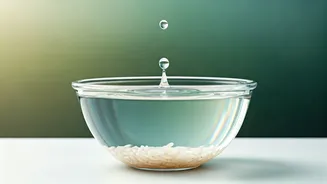
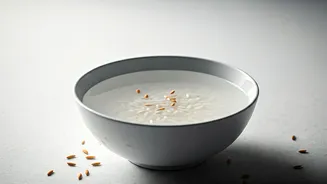
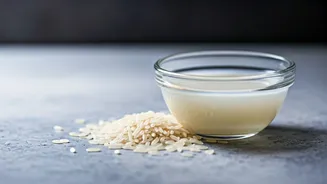
Making rice water at home is incredibly simple. There are two main methods: 1. **The Soaking Method (Quick & Easy):** Rinse half a cup of uncooked rice with water to remove any dirt. Then, place the rinsed rice in a bowl with two to three cups of water and let it soak for at least 30 minutes, or up to a few hours. Swirl it around occasionally until the water turns cloudy. Strain the rice, and your rice water is ready to use. 2. **The Fermentation Method (More Potent):** Prepare rice water using the soaking method above, but instead of using it immediately, let it sit at room temperature in a jar for 24 to 48 hours. Fermentation lowers the pH of the water, bringing it closer to the natural pH of hair, and is believed to enhance its nutrient concentration. Be warned: fermented rice water has a distinct sour smell.
How to Use It Safely
Once you've made your rice water, store it in an airtight container in the fridge for up to a week. For hair, use it as a final rinse after shampooing and conditioning. Pour it over your hair, massage it into your scalp and strands, and let it sit for 5-20 minutes before rinsing thoroughly. For skin, you can apply it with a cotton pad as a toner or use it as a gentle facial rinse. A word of caution: always perform a patch test on a small area of skin before full application. If you have low-porosity hair, be mindful of 'protein overload,' which can make hair feel stiff and brittle. Start by using rice water once a week and see how your hair and skin respond.