



The Return to Simple Wellness
For the last decade, wellness often felt like an extreme sport. It involved expensive supplements, punishing workout routines, and restrictive diets that were difficult to sustain. There was always a new, more complicated 'biohack' to try. Now, a collective
exhaustion seems to have set in. People are tired of the cost, the complexity, and the feeling of never doing enough. In this landscape, hydration has emerged as a hero. It's accessible, affordable (at its most basic), and its benefits are backed by solid science. This isn't a flashy trend; it's a return to a fundamental pillar of health that got lost in the noise of adaptogens and cryotherapy. It represents a shift towards a more intuitive, gentle, and sustainable approach to taking care of ourselves.
The New Tools of Hydration
While the principle is simple, the modern hydration trend comes with its own ecosystem of products. The giant, insulated tumbler—popularised by brands like Stanley and Owala—has become a status symbol, a constant visual reminder to drink up. But it's not just about the vessel. The market for electrolyte powders and hydration multipliers has exploded. Brands like Liquid I.V., LMNT, and a host of others promise to hydrate you more efficiently than water alone by replenishing essential minerals like sodium, potassium, and magnesium lost through sweat. These colourful, flavourful powders turn drinking water from a chore into a treat, making it easier for people to hit their daily intake goals. Smart water bottles that track your consumption and glow to remind you to sip add a tech-savvy layer to this basic habit.
Why It's More Than Just Thirst
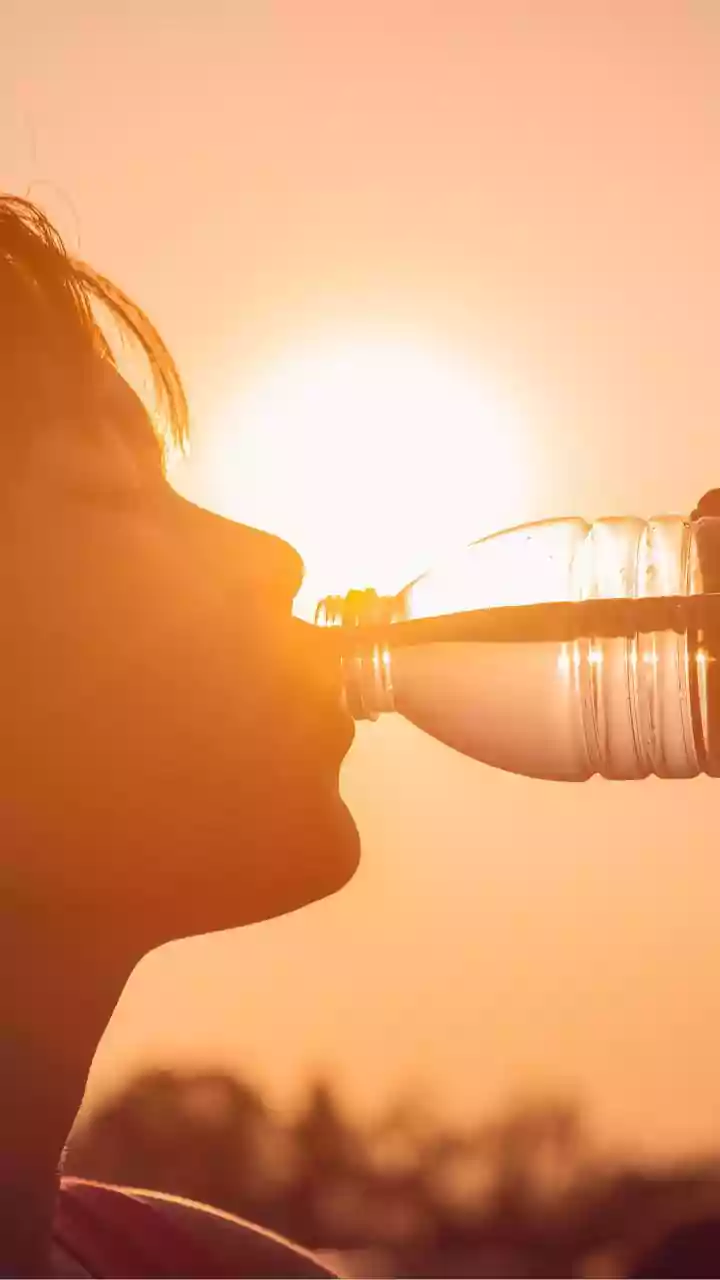
The renewed focus on hydration is also fuelled by a greater understanding of its wide-ranging benefits. We often associate dehydration with obvious signs like thirst or a dry mouth, but its effects are far more subtle and pervasive. Even mild dehydration can impact cognitive function, leading to brain fog, poor concentration, and irritability. It can sap your energy levels, making you feel sluggish throughout the day. For those interested in skincare, proper hydration is non-negotiable for maintaining skin elasticity and achieving a healthy glow from within. It also plays a crucial role in digestion, joint lubrication, and regulating body temperature. By reframing hydration as a key to unlocking better energy, focus, and appearance, the wellness industry has successfully made it feel like an active step towards self-improvement, not just a passive necessity.
Hydrating Smarter, Not Harder
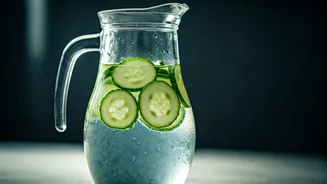
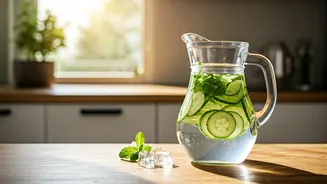
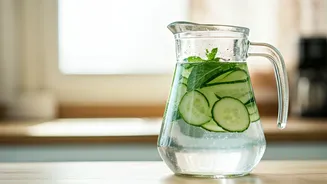
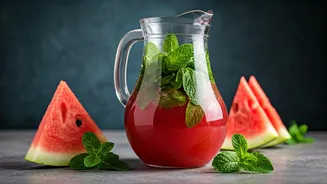
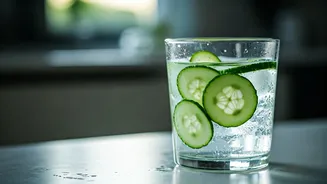
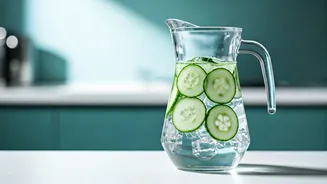
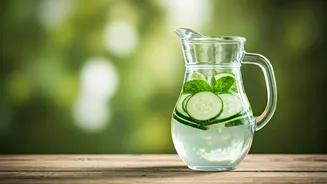
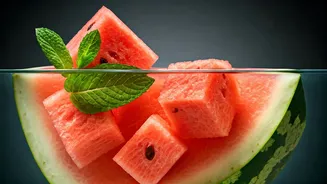
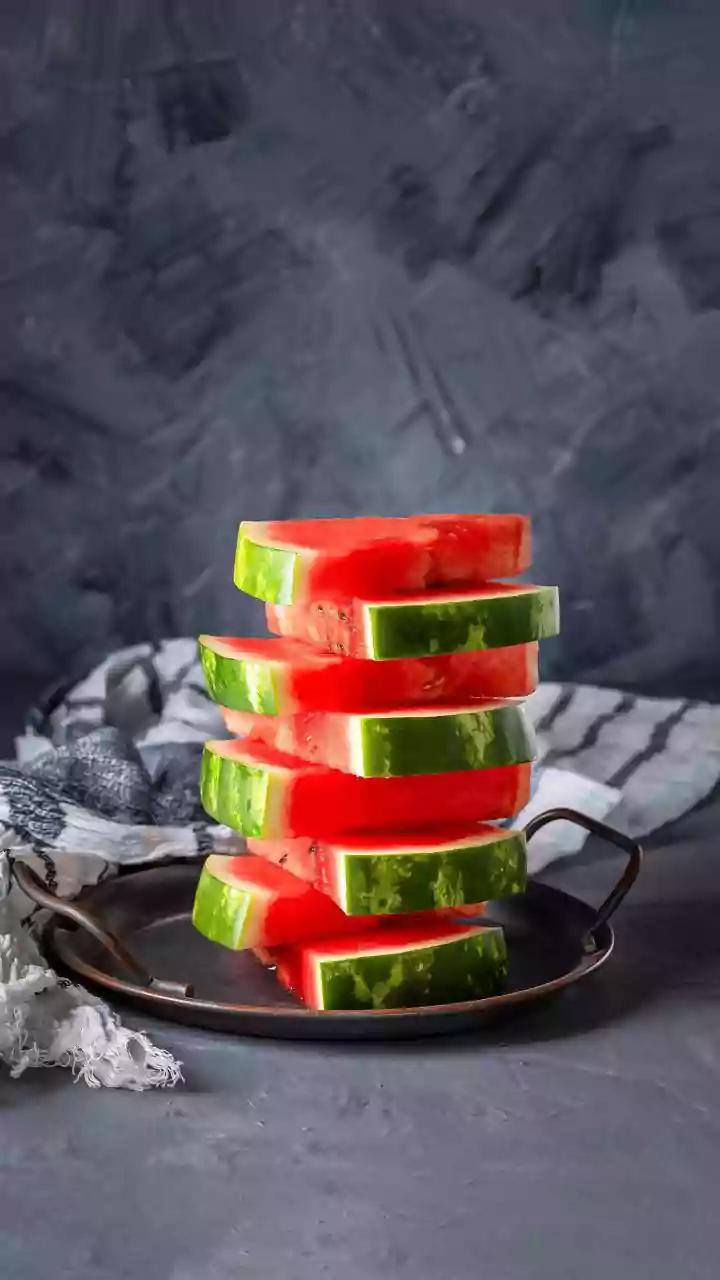
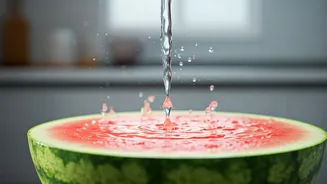
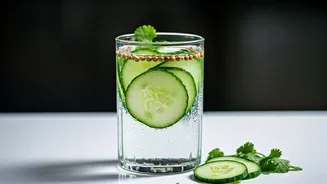
With all the new products and advice, how do you navigate the trend effectively? First, understand your personal needs. The old 'eight glasses a day' rule is a decent starting point, but your actual requirements vary based on your body size, activity level, and the climate. A better guide is the colour of your urine—pale yellow is the goal. While electrolyte powders can be beneficial, they aren't necessary for everyone. They are most useful after intense exercise, during hot weather, or if you're feeling unwell. For daily hydration, plain water is perfectly fine. To make it more appealing, try infusing it with lemon, cucumber, or mint. You can also get a significant amount of water from foods like watermelon, strawberries, and soups. The key is consistency over intensity.
Beyond the Hype: Finding Your Balance
It’s important to maintain perspective. While staying hydrated is undeniably crucial for health, it's not a magic cure-all. The current trend can sometimes lead to overconsumption or an over-reliance on expensive products. The pressure to carry a specific water bottle or use a certain brand of electrolytes can feel like another form of consumerism masquerading as wellness. The real value of this trend lies in its core message: pay attention to your body's basic needs. You don't need the trendiest tumbler to be healthy. The most powerful aspect of this movement is its simplicity. It’s about listening to your body and giving it the fundamental resource it needs to thrive.