







Beyond the Static PDF
For decades, the engineering graduate's calling card has been a one-page resume, often accompanied by a PDF listing academic projects. While essential, this format has a major flaw: it tells, but it doesn't show. A recruiter reads that you “built a machine
learning model to predict stock prices,” but has no way to verify the quality of your code, the accuracy of the model, or the user interface you designed. It’s a claim, not evidence. In India’s hyper-competitive tech job market, where recruiters sift through hundreds of applications for a single role, being just another name on a list is a disadvantage. A static portfolio is passive; it requires the recruiter to take you at your word. An interactive portfolio changes the game entirely by putting your abilities on full display.
What Makes a Portfolio 'Interactive'?
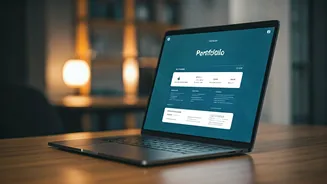
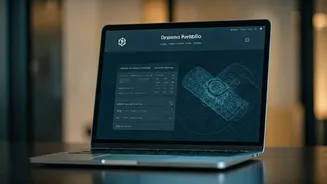
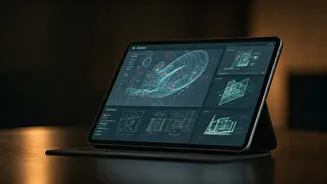
An interactive portfolio is more than just a personal website with links. It’s a curated collection of live, functional projects that a hiring manager can engage with directly in their browser. Think of it as a personal tech demo. Instead of just describing an e-commerce website you built, you provide a link where the recruiter can actually click through the site, add items to a cart, and test the checkout flow. Instead of a screenshot of a data visualization, you embed a dashboard where they can filter data and see the charts update in real time. It’s the difference between showing someone a photo of a car and handing them the keys for a test drive. This approach transforms your portfolio from a historical document into a compelling, hands-on experience.
Why Recruiters Value This Approach
Hiring managers are time-poor and risk-averse. An interactive portfolio directly addresses both concerns. Firstly, it dramatically speeds up the evaluation process. In less than a minute, a recruiter can assess your coding standards, your design sense, and your ability to build and deploy a functional application. This is infinitely more valuable than reading a bullet point on a resume. Secondly, it de-risks the hiring decision. It provides tangible proof of your skills, moving beyond academic grades and interview answers. It demonstrates passion, initiative, and a level of professionalism that suggests you are ready to contribute from day one. A candidate with a well-made interactive portfolio is not just claiming they can code; they are proving it.
Key Elements of a Standout Portfolio
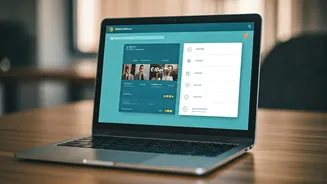
A great interactive portfolio isn't just about the projects; it's about the presentation. It should be clean, professional, and easy to navigate. Focus on these core components: 1. **Curated Projects:** Don't list everything. Showcase 2-4 of your best, most complex projects. Quality over quantity is the rule. 2. **Live Demos:** This is non-negotiable. Each project must have a link to a live, working version. 3. **Source Code Access:** Link to the project’s GitHub repository. Recruiters want to see how you write and structure your code. A clean, well-commented codebase is a massive plus. 4. **Clear Explanations:** For each project, briefly explain the problem it solves, the technologies you used, and your specific role in creating it. Focus on the 'why' and 'how'. 5. **Professional 'About Me':** Include a concise section about yourself, your skills, your career interests, and a link to your LinkedIn profile and resume.
Getting Started: Tools and Platforms
Creating an interactive portfolio is more accessible than ever, with many free tools available. For hosting your live projects and the portfolio site itself, platforms like GitHub Pages, Vercel, and Netlify are industry standards and offer generous free tiers. You can build your portfolio website from scratch using HTML/CSS and JavaScript or use a framework like React or Vue.js if you want to showcase those skills. The key is to choose projects that genuinely interest you and solve a tangible problem. Whether it's a utility for students on your campus, a tool for a personal hobby, or an improvement on an existing app, a project born from genuine interest will always be more impressive. Focus on documenting your process and writing clean code, as that’s what recruiters will be scrutinizing.