







The Great Recipe Time Deception
When a recipe developer writes down a time, they are working under a specific set of conditions that rarely match a home kitchen. They are experienced cooks, likely working with pre-prepped ingredients in a familiar, well-organised space. The 'prep time'
listed might not include the time it takes to find that jar of spice in the back of your pantry, wash the vegetables, or bring a block of butter to room temperature. It often only accounts for the chopping and measuring. Furthermore, recipe writers frequently underestimate the time it takes for an average person, who may be making the dish for the first time, to complete the same steps.
Active Time vs. Total Time
Many recipes break down their timing into 'active time' and 'total time', and the difference is crucial. 'Active time' is the hands-on period when you are actively chopping, stirring, or sautéing. 'Total time' includes all the inactive periods, like time for marinating, dough rising, or the dish simply baking in the oven. The headline might flash '15 minutes of active time', leading you to believe it's a quick meal, while the 'total time' could be over two hours. Always read the entire recipe to spot words like 'marinate', 'rest', or 'chill', as these are indicators of inactive time that will significantly extend the start-to-finish duration.
The Chef's Secret: Mise en Place
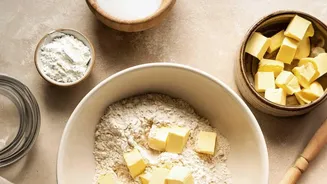
In professional kitchens, the golden rule is 'mise en place', a French term meaning 'everything in its place'. This principle involves preparing and organising all your ingredients before you even start cooking. This means vegetables are chopped, spices are measured, and sauces are mixed and ready in small bowls. Home cooks often try to save time by chopping vegetables while the onions are already sautéing, which can quickly lead to chaos, missed steps, or burnt food. By adopting mise en place, you front-load the work. While it might feel like an extra step at the beginning, it streamlines the actual cooking process, making it smoother, faster, and far less stressful.
Your Kitchen Isn't a Cooking Show
The efficiency of a recipe writer's kitchen plays a huge role in their timing. Your home stove might not heat up as quickly as their professional-grade one. The thickness of your steak, the starting temperature of your ingredients, and even the humidity in your home can affect cooking times. A chef's knife skills are honed over years, allowing them to dice an onion in 30 seconds, a task that might take a home cook several minutes. An organised kitchen where every tool is within arm's reach also shaves off precious time that most of us spend searching through cluttered drawers. These small differences in equipment, skill, and organisation add up significantly.
How to Read a Recipe for Reality
To get a more realistic time estimate, you need to learn to read a recipe like a chef. First, read it thoroughly from start to finish before you do anything else. This helps you spot any hidden time sinks. As a rule of thumb, especially when trying a new recipe, consider doubling the stated 'prep time'. Pay close attention to the visual and sensory cues in the instructions, such as 'cook until golden brown' or 'simmer until the sauce has thickened'. These indicators are far more reliable than a timer. Use the recipe's time as a guideline, but trust your senses to tell you when the food is actually ready.
Become Your Own Timekeeper
The most accurate way to predict your cooking time is to understand your own pace. Start timing yourself on common tasks. How long does it really take you to chop an onion, peel potatoes, or bring a large pot of water to a boil? Knowing your personal benchmarks will empower you to look at any recipe and adjust its timing to fit your reality. Over time, you'll develop an intuitive sense of how long a meal will take in your kitchen with your skills and your equipment. This personal knowledge is more valuable than any time estimate printed on a page, turning cooking from a race against the clock into a confident, creative process.