
The Undeniable Rise of Convenience
Let’s be clear: convenience is a powerful force. In bustling Indian cities, where commutes are long and schedules are packed, the rise of ready-to-eat meals and food delivery services is a logical evolution. They cater to the demands of modern urban living,
offering a practical solution for time-strapped professionals and nuclear families. This culinary shift reflects a society on the move, where saving an hour in the kitchen can mean an extra hour with family or on a crucial project. These options have democratised access to a variety of cuisines, bringing restaurant-style food to the doorstep at the tap of a button. However, this efficiency often comes with a hidden cost, trading culinary depth for speed.
Food as a Social and Emotional Language
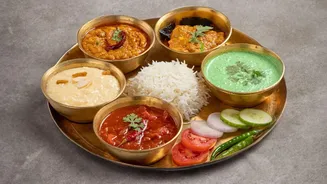
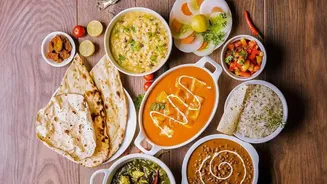
In India, food has always been a language of love, celebration, and community. It's much more than just sustenance; it is a marker of identity, family, and tradition. Meals are moments of connection. Unlike the often solitary act of consuming a pre-packaged meal, traditional Indian dining is a shared, communal experience. Dishes are placed at the center of the table, encouraging interaction, conversation, and a collective sense of enjoyment. This act of sharing fosters empathy and strengthens social bonds in a way that an individual, quick-fix meal rarely can. It’s in the shared laughter over a thali and the gentle insistence to have one more serving that relationships are nurtured.
The Kitchen as a Classroom
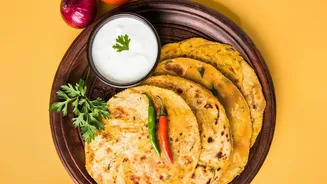
Traditional cooking is where culture is passed down. The kitchen is a classroom where recipes, techniques, and stories are transferred from one generation to the next. These aren't just instructions on a page; they are heirlooms. They are the secrets to a perfect biryani, the precise feel of dough for a soft roti, or the unique spice blend for a family curry. This process of learning and cooking together builds a bridge between generations, weaving a continuous thread of shared identity. Convenience foods, for all their utility, are generic. They lack a personal history and the story of a family's hands preparing a meal with care.
The Wisdom of Traditional Health
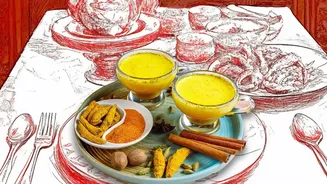
For centuries, Indian food culture has been deeply connected to wellness. The principles of Ayurveda, which views food as medicine, are embedded in traditional cooking. A home-cooked meal is often intuitively balanced, considering the season, the time of day, and the health of the individual. Spices like turmeric, cumin, and ginger are used not just for flavour but for their digestive and anti-inflammatory properties. This contrasts sharply with many processed foods, which can be high in sodium, sugar, and preservatives, compromising nutritional value for a longer shelf life. Preparing food from scratch provides control over ingredients, ensuring a fresher, more nourishing meal.
Food, Festivals, and Lasting Memories
Food is the centerpiece of every significant life event in India, from festivals and weddings to simple family gatherings. Dishes prepared for Diwali, Eid, or Christmas are symbolic, representing prosperity, happiness, and gratitude. These festive foods are often elaborate, requiring many hands and several hours, turning the preparation itself into a communal celebration. The aroma of a specific dish can evoke powerful memories of childhood and loved ones. This deep-seated connection between food and memory is what gives traditional cuisine its emotional weight. It’s a richness that a factory-produced meal, no matter how well-made, simply cannot replicate.