




Why Light is Non-Negotiable
Before we talk about watering schedules, soil mixes, or fancy pots, we have to talk about light. All plants need light for photosynthesis, the process they use to create their own food. Without the right amount of light, a plant is essentially starving,
no matter how much you care for it. This is why a plant that needs a lot of sun will slowly fade in a dark corner, often getting long and leggy as it stretches desperately toward the nearest window. Understanding the light you have is the first and most important step to choosing a plant that will not just survive, but flourish.
Become a Light Detective in Your Home
You don't need expensive gadgets to figure out your home's lighting. Your eyes can be deceiving because they adjust to brightness, so what looks 'bright' to you might be 'low light' for a plant. Instead, try the shadow test. Hold your hand about a foot above a piece of paper in the spot you want to place a plant. A sharp, well-defined shadow means you have bright light. A softer, fuzzier shadow indicates medium light. If you see only a faint shadow or none at all, that's a low-light area. Also, consider the direction of your windows. In India, south-facing windows get the most intense light, while north-facing windows get the least. East-facing windows provide gentle morning sun, and west-facing windows get strong afternoon sun.
Decoding the Language of Light
Plant labels can be confusing. Here’s a simple breakdown of what those terms actually mean for your home: 'Bright, direct light': This means several hours of direct sunbeams hitting the plant. A spot right in a south or west-facing window. Few indoor plants can handle this without their leaves scorching. 'Bright, indirect light': This is the gold standard for most popular houseplants. It's a bright spot that is lit for most of the day but doesn't get hit with direct sun. Think of a room with large windows, or a spot a few feet away from an east-facing window. 'Medium light': This is a spot that receives some indirect light, perhaps further back from a window or in a room with a smaller, east-facing window. The light is noticeably less intense than a bright, indirect spot. 'Low light': This means a spot that receives no direct light and is quite far from a window, like a hallway or the corner of a room. It’s important to remember that 'low light' doesn't mean 'no light'—all plants need some.
The Right Plant for Bright Spots
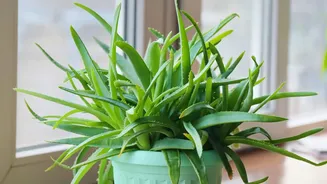
If you have a corner that gets drenched in sunlight, don't despair. Some plants are built for it. Succulents like Aloe Vera and Jade Plants love basking in the sun, provided they have well-draining soil. A Croton, with its vibrant yellow, orange, and red foliage, will show its best colours in a bright location. For a flowering option, a Hibiscus plant placed near a sunny window can reward you with stunning blooms. These sun-lovers are perfect for balconies or window sills that receive hours of direct light.
Thriving in the Versatile Medium Zone
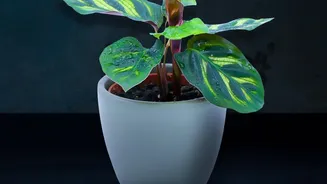
Most homes have plenty of medium-light areas, and luckily, a huge variety of popular plants thrive here. This is the ideal condition for the famous Monstera Deliciosa (or Swiss Cheese Plant), which likes bright but not direct sun. The same goes for many Philodendrons and the elegant Areca Palm. Other great choices for these spaces include the Prayer Plant (Calathea), known for its beautifully patterned leaves, and the ever-popular Spider Plant, which is forgiving and easy to care for. These plants enjoy the balance of light without the stress of harsh, direct rays.
The Best Bets for Dimmer Corners
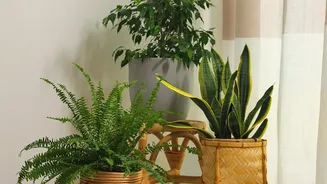
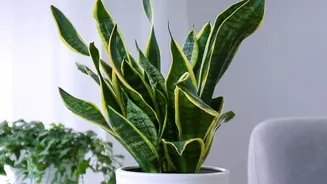
For those dimmer areas of your home, you need resilient plants that have adapted to shadier conditions. The Snake Plant is almost legendary for its toughness and ability to tolerate low light. Similarly, the ZZ Plant, with its glossy, dark leaves, is a stylish and nearly indestructible option that requires minimal light and water. The classic Money Plant (Pothos) is incredibly versatile and will happily trail from a shelf in a lower-light corner, and the elegant Peace Lily can even produce its signature white blooms without much sun. These plants are perfect for bringing a touch of green to almost any room.