








The Rise of the Analog Reader
It might seem counterintuitive in our hyper-digital world, but the reports are consistent: physical books are not just surviving, they're thriving. Global book sales have shown remarkable resilience and even growth in recent years. This isn't a nostalgic
trend driven by older generations. In fact, it’s Gen Z—the so-called 'digital natives'—who are a major force behind this revival. Social media, paradoxically, is a huge catalyst. TikTok's #BookTok community has become a global phenomenon, with users sharing passionate reviews and recommendations that can turn a little-known novel into a bestseller overnight. This online buzz translates directly into offline sales, with bookstores creating dedicated #BookTok sections to cater to the demand. It proves that the desire for a physical, tangible story is powerful enough to be amplified by the very digital tools it seeks to provide an escape from.
A Pushback Against Digital Burnout
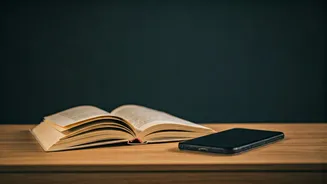
So, why are people consciously un-plugging? The answer lies in a growing awareness of digital fatigue. The endless scroll, the constant barrage of notifications, and the pressure to be always 'on' have led to a state of collective burnout. Our brains, conditioned by the short, sharp dopamine hits of social media likes and notifications, are losing the ability to focus deeply. A phone offers a universe of infinite, fragmented information, which can be both exhausting and anxiety-inducing. A book, in contrast, is a finite, contained world. It has a beginning, a middle, and an end. It demands single-tasking, allowing the mind to sink into a narrative without the distraction of a pop-up alert or the temptation to check an email. Choosing to read a book is an act of reclaiming one's attention span. It's a deliberate decision to engage in a 'deep' activity rather than skim across a 'shallow' digital surface.
The Sensory Joy of a Physical Book
The appeal of a physical book goes beyond the words on the page. It's a multi-sensory experience that an e-reader or a phone can’t replicate. It’s the tactile feel of the cover, the weight of the book in your hands, the distinct smell of paper and ink, and the simple, satisfying act of turning a physical page. For many, books are also aesthetic objects. A well-curated bookshelf is a form of self-expression, a visible testament to one's interests and journeys. In a world of intangible digital files and cloud storage, owning a physical library offers a sense of permanence and personality. This aesthetic appeal is a significant part of why people are investing in print copies. They aren't just buying a story; they are buying an experience and an object to be cherished.
How India Is Turning the Page
This global trend is finding fertile ground in India. Independent bookstores in metros like Mumbai, Delhi, and Bengaluru are reporting brisk business, often becoming vibrant community hubs with readings and events. Young Indian readers are actively participating in global conversations on platforms like Instagram and TikTok, while also championing Indian authors. The sight of someone reading a paperback on the Mumbai local or the Delhi Metro is becoming a more common counter-narrative to the sea of smartphones. It reflects a similar desire for respite from the digital cacophony. As screen time increases for work and education, the act of picking up a physical book becomes a more precious, intentional form of leisure and self-care for a new generation of Indian readers.