



We Just Had Once-in-a-Lifetime Shows
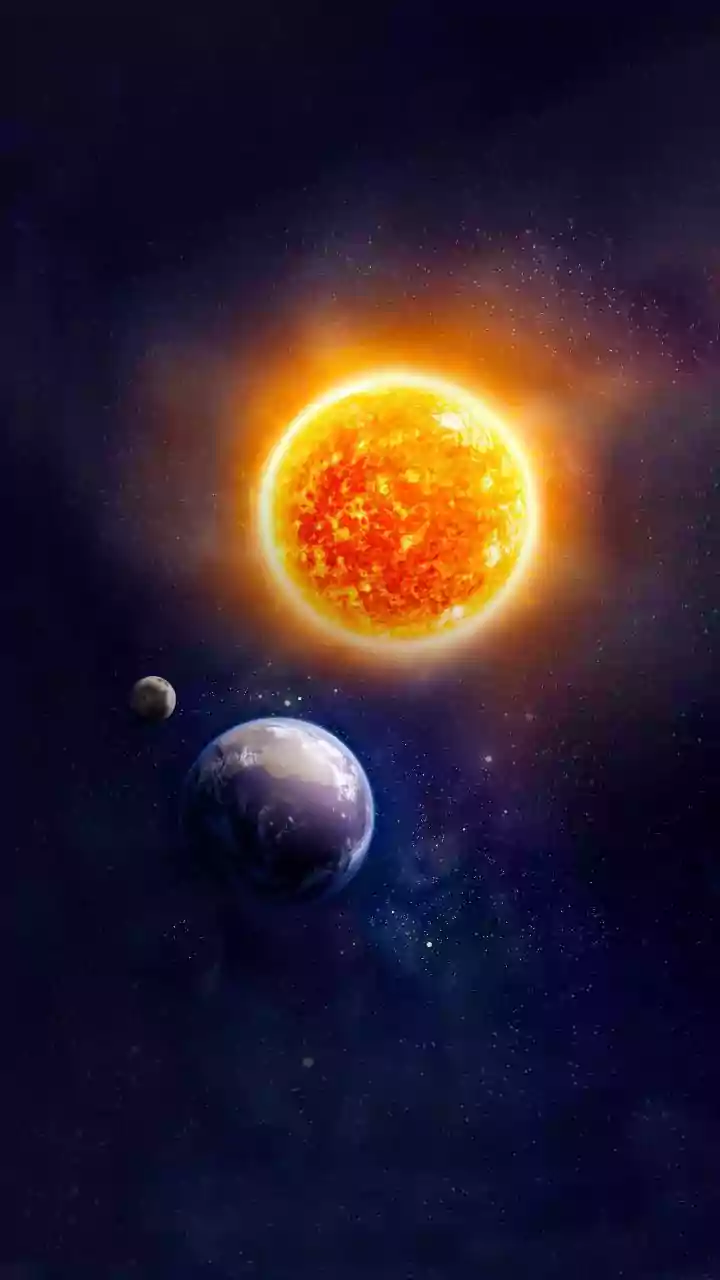
You can’t manufacture appointment viewing like the cosmos just did. The Great American Eclipse of April 2024 was a profound, collective experience for millions. Cities in the path of totality became pilgrimage sites, and the shared moment of daytime darkness
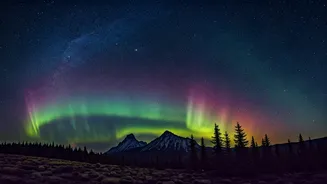
created a rare sense of national unity and awe. Then, just weeks later, a massive solar storm produced the most spectacular aurora displays in two decades, painting skies pink and green as far south as Florida and Texas. These weren't niche events for astronomy nerds; they were mainstream cultural moments that flooded social media, dominated news cycles, and reminded everyone of the dynamic, unpredictable beauty hanging right above our heads.
The Webb Telescope Delivers Postcards from Deep Space
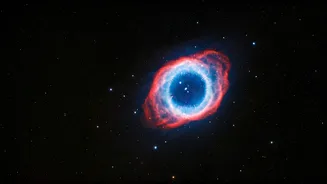
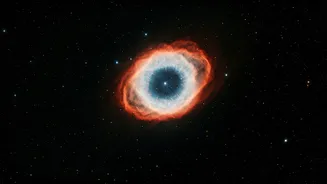
For decades, space felt distant, illustrated by grainy photos or CGI. The James Webb Space Telescope (JWST) changed that forever. Since deploying in 2022, it has been beaming back images of such staggering clarity and beauty that they feel more like art than data. The “Pillars of Creation” reimagined in infrared, glittering star-forming nebulae, and impossibly distant galaxies have become our new screen savers and sources of existential contemplation. NASA’s savvy social media strategy turns each new image release into an event, making astrophysics accessible and breathtaking. The JWST doesn't just show us space; it lets us feel the grandeur, turning abstract concepts into visceral beauty that anyone can appreciate.
Your Phone Is Now an Observatory
The barrier to entry for stargazing has collapsed. You no longer need a thousand-dollar telescope and years of training. Today, your smartphone is your guide. Apps like Star Walk or SkyView use your phone’s camera and GPS to create an augmented-reality map of the sky, identifying constellations, planets, and satellites in real time. Point your phone up, and suddenly the anonymous specks of light have names and stories. This, combined with increasingly powerful smartphone cameras capable of impressive night-mode shots, has transformed passive observation into active participation. The rise of the “astro-influencer” on Instagram and TikTok, sharing stunning images captured with surprisingly accessible gear, proves that the cosmos is now for everyone to capture and share.
We’re Craving a Dose of Awe
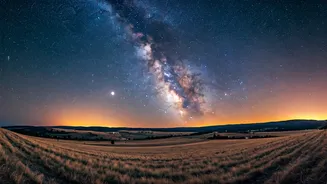
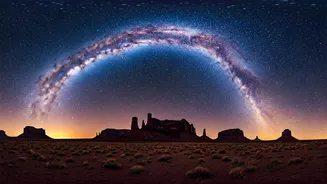
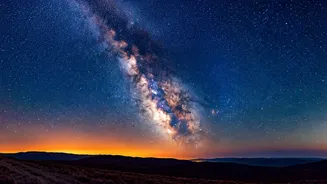
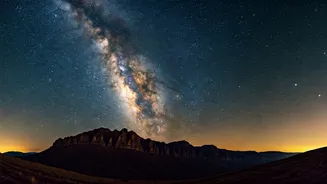
Perhaps the biggest driver is a deeply human one. In a world of political polarization, information overload, and constant anxiety, looking up offers a powerful antidote: perspective. Staring at a meteor shower or contemplating a galaxy 13 billion light-years away can make our terrestrial troubles feel refreshingly small. This search for wonder has fueled a boom in “astrotourism,” with travelers seeking out remote, certified Dark Sky Parks to experience a truly pristine night sky, free from the light pollution that obscures the view for 80% of Americans. It’s a retreat not just from city lights, but from the noise of modern life. It's a reminder that we're part of something vast, ancient, and utterly magnificent.