



More Than Just Decoration
The idea that plants make us feel good isn't just a feeling; it's backed by science. The concept of 'biophilia' suggests humans have an innate tendency to connect with nature. Being around plants can lower stress levels, reduce anxiety, and improve your
overall mood. At the same time, many are aware of a famous 1989 NASA study which found that certain houseplants could remove toxins from sealed environments. While it's true you'd need a large number of plants to completely purify a typical room, they do contribute to filtering common household pollutants. Indoor air can contain volatile organic compounds (VOCs) like formaldehyde and benzene, which are released from things like furniture, cleaning products, and even incense sticks. Adding a few green friends is a simple, beautiful step toward a fresher, more serene personal space.
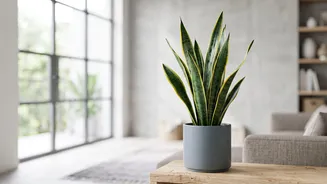
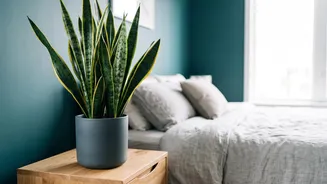
The Hardy Snake Plant
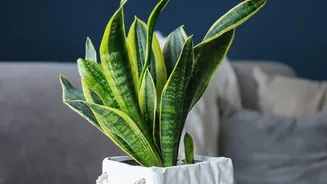
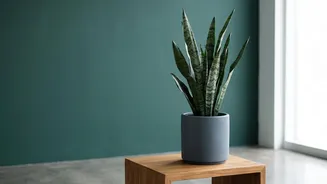
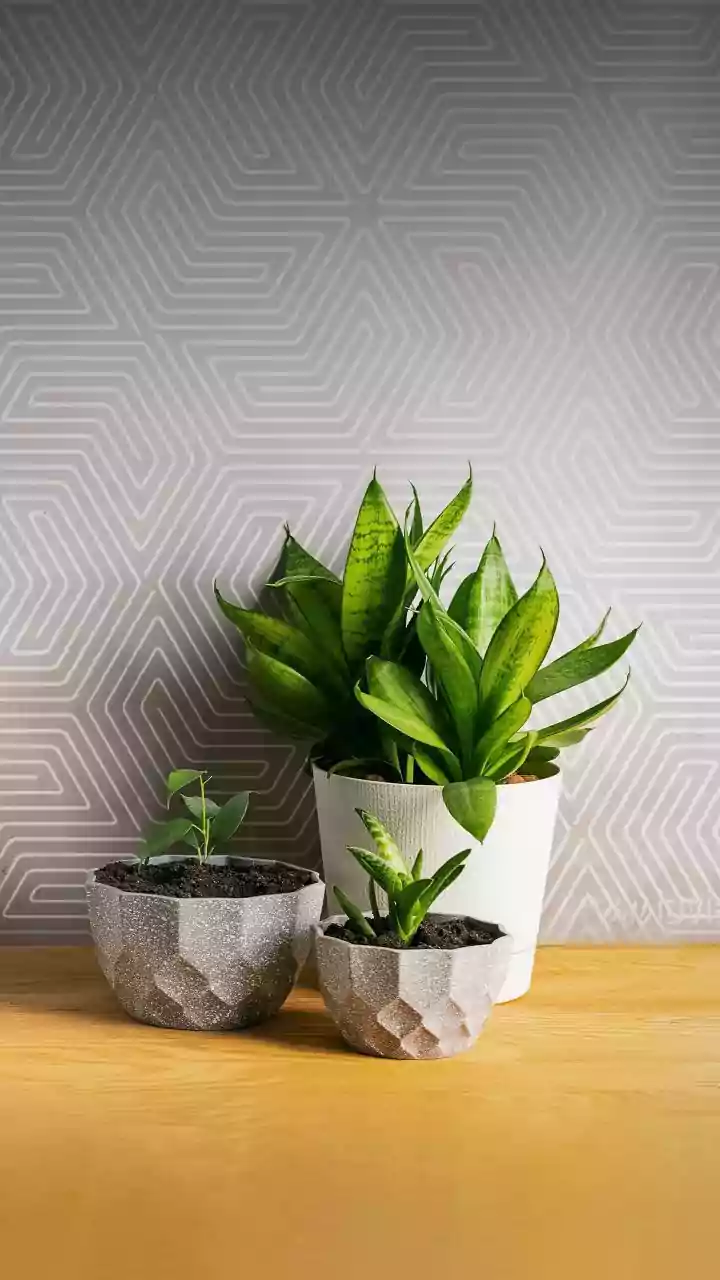
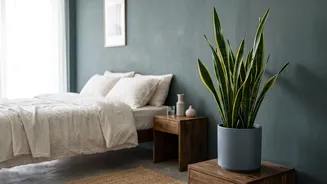
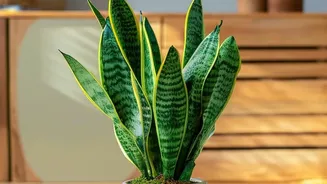
If you're new to plant care, the Snake Plant (Sansevieria trifasciata) is your perfect starting point. It's famous for being nearly indestructible, thriving on neglect and tolerating low light and infrequent watering. What makes it a bedroom champion is its ability to release oxygen at night, which is unique among many plants. It's also a workhorse when it comes to air quality, known for filtering toxins like formaldehyde, benzene, and xylene from the air. Its upright, architectural leaves add a modern, clean look to any room, making it both a stylish and practical choice.
The Forgiving Spider Plant
The Spider Plant (Chlorophytum comosum) is another excellent option for beginners. Recognizable by its arching leaves and the 'spiderettes' that dangle from the mother plant, it's incredibly easy to grow and propagate. It prefers bright, indirect light but is quite adaptable. This plant is a top performer in cleaning the air, particularly effective against pollutants like formaldehyde and xylene. Its lush, fountain-like appearance makes it a cheerful addition, perfect for placing on a dresser or in a hanging basket where its offshoots can cascade freely.
The Elegant Peace Lily
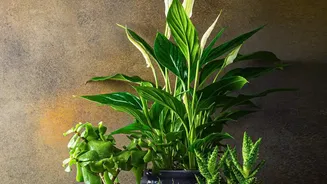
For a touch of elegance, the Peace Lily (Spathiphyllum) is an ideal choice. With its glossy, dark green leaves and iconic white blooms, it brings a sense of calm sophistication to a space. It's one of the most effective plants for air purification, tackling a wide range of toxins including ammonia, benzene, and formaldehyde. The Peace Lily is also great at communicating its needs; it will visibly droop when it needs water, taking the guesswork out of your watering schedule. It prefers shade and consistently moist soil, making it well-suited for bedrooms that don't get a lot of direct sun.
The Versatile Aloe Vera
Known for the soothing gel inside its leaves, Aloe Vera is more than just a living first-aid kit. This hardy succulent is also a capable air purifier, working to clear formaldehyde and benzene from your environment. As a succulent, it requires minimal watering and loves a bright spot, making it perfect for a sunny bedroom windowsill. Its distinct, fleshy leaves add a unique sculptural element to your decor. Watching it thrive can be a simple joy, and having it on hand for minor skin irritations is an added bonus.
The Easygoing Pothos
Often called a Money Plant in India, Pothos (Epipremnum aureum) is arguably one of the most low-maintenance houseplants you can find. It's known for its beautiful heart-shaped leaves and trailing vines that can be trained to climb or hang from a high shelf. Pothos is extremely tolerant of various light conditions and forgives occasional missed waterings. It’s also celebrated for its ability to filter indoor toxins, making the air in your personal sanctuary that much fresher. Its resilience and rapid growth make it a very rewarding plant for any home.