






More Than a Meal, a Story
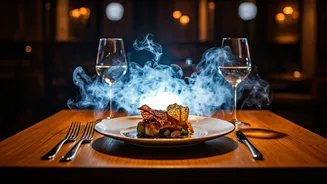
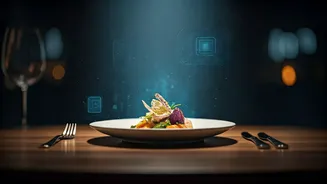
So, what exactly is immersive dining? It’s the art of turning a meal into a multi-sensory adventure. Forget the simple dinner-and-a-show model; this is about creating a cohesive narrative where food is just one part of the story. Restaurants use everything
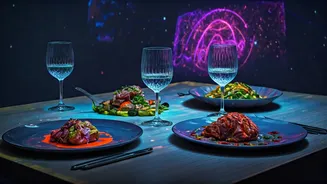
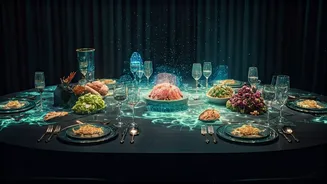
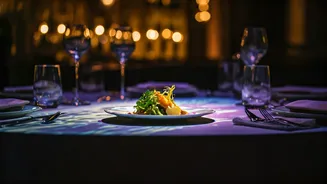
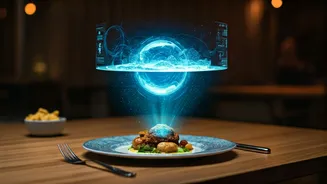
from 3D projection mapping that transforms your table into a new world, to curated soundscapes, and even scent diffusers that complement each course. The goal is to engage all five senses—sight, sound, smell, touch, and taste—to transport diners somewhere else entirely. Whether you're dining under a projection of the Northern Lights or watching a tiny animated chef 'prepare' your meal on your plate, the experience becomes the main course.
The Experience Economy in Action
This trend is a direct response to a major consumer shift, particularly among Millennial and Gen Z diners. These generations consistently show a preference for spending on experiences rather than material goods. In a competitive hospitality market, a meal has to feel worth the price, and a unique, shareable story provides that value. Immersive concepts are inherently photogenic and shareable on social media, creating organic marketing buzz that money can't always buy. Research shows a high percentage of diners are willing to pay a premium for a one-of-a-kind culinary event, which makes this a powerful business strategy.
The Technology Behind the Curtain
Powering these experiences is a suite of increasingly accessible technologies. Projection mapping is a key player, using special software and projectors to cast dynamic visuals onto tables, walls, and even the plates themselves. Augmented Reality (AR) and Virtual Reality (VR) are also entering the scene. AR can superimpose digital information or animations onto the real world through a smartphone, while some high-end experiences use VR headsets to transport diners to completely different environments between courses. Add to this synchronized lighting, spatial audio design, and even temperature controls, and chefs have a full toolkit to build a narrative around their food.
The Business Case for Immersion
For restaurants, the 'edge' offered by immersive dining is tangible. First, it allows for premium pricing. Experiences like the globally popular Le Petit Chef, which has shows in Delhi and Goa, command higher price points because they offer entertainment and a meal in one package. Second, it creates a strong brand identity and builds customer loyalty through shared memories, encouraging repeat visits. In an increasingly crowded market where consumers are rethinking spending amid economic uncertainty, offering a memorable event can be the key differentiator that convinces them to dine out. It transforms the restaurant from a convenient option into a destination.
Is It for Every Restaurant?
While high-tech productions like Sublimotion in Ibiza or Ultraviolet in Shanghai represent the peak of this trend, the principles can be applied on a smaller scale. The concept is not just about expensive technology but about intentionality and storytelling. Indian restaurants are excelling at this by focusing on hyper-regional ingredients, reviving forgotten recipes, and creating narratives around their menus. Even without projections, a story-led menu, a themed environment, or interactive service elements can create an immersive feel. Concepts like Mumbai's 'Supper Theatre' blend performance and food in intimate settings, proving that creativity is as important as capital. The key is to create a cohesive, memorable world for the guest to step into.