


The Old Cosmic Rulebook
In the classic view of our solar system, there were two main categories of small bodies. Asteroids were largely inert chunks of rock and metal, mostly found orbiting between Mars and Jupiter in the main asteroid belt. They were considered relatively boring.
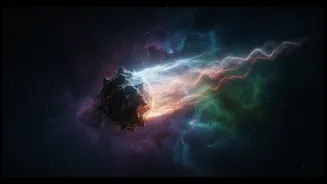
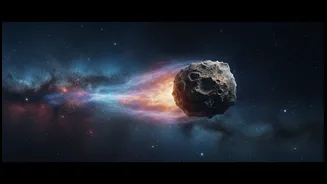
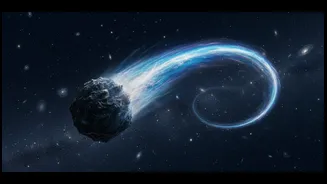
Comets, on the other hand, were the dramatic visitors from the cold, outer solar system. Hailing from the Kuiper Belt or the distant Oort Cloud, they were made of ice, rock, and dust. As they approached the Sun, its heat would vaporize the ice, creating a glowing coma (a fuzzy atmosphere) and a spectacular tail. The classification was simple and seemed to work: location, orbit, and activity were the three key pillars.
Meet the 'Active Asteroids'
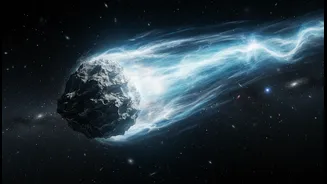
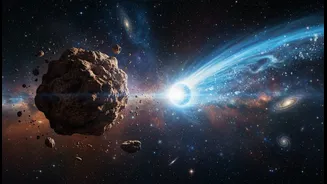
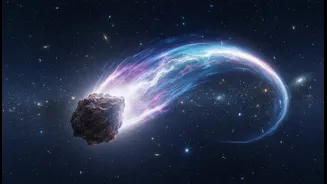
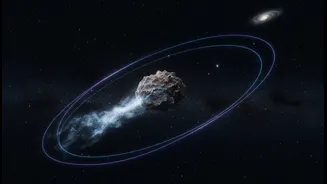
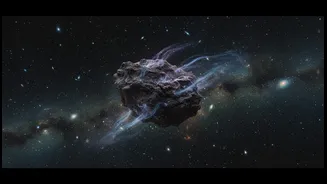
The first cracks in this neat division appeared with the discovery of objects that refused to follow the rules. Astronomers began finding what they now call "active asteroids." These are bodies with the orbits of asteroids—residing in the relatively warm inner solar system—but exhibiting comet-like features such as a coma or tail. Initially dubbed "main-belt comets," the name was updated because scientists realized the activity wasn't always caused by ice. Some of these objects, like asteroid (6478) Gault, have been seen to sprout tails, possibly due to rotational instability causing landslides, or from impacts with smaller bodies. This showed that an asteroid could become 'active' without being an icy comet in disguise.
The Clue in the Dust and Gas
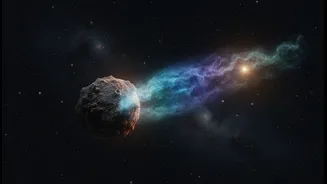
One of the most perplexing case studies is 3200 Phaethon. It has the orbit of an asteroid and is the source of the prolific Geminid meteor shower—a role normally played by a comet shedding debris. For years, it was called a "rock comet." Scientists assumed its close passes to the Sun were cracking its surface and releasing dust. However, recent, detailed imaging from solar observatories like SOHO revealed a surprise. Phaethon's tail isn't primarily dust; it's made of sodium gas fizzing from its superheated rock. The Sun heats Phaethon's surface to around 750 degrees Celsius, vaporizing sodium within the rock, which then vents into space. This discovery upended more than a decade of thinking about Phaethon and showed another way an object could produce a tail.
Re-examining Orbits and Follow-ups
Orbit analysis, once a clear differentiator, is also becoming more complex. While the gravitational pull of planets and the Sun are the main drivers of an object's path, forces like radiation pressure and solar wind can alter the trajectory of the dust grains they shed. This can make it tricky to trace dust back to its parent body based on orbit alone. Furthermore, the activity on these strange objects can be intermittent. An asteroid might look perfectly normal for years, then suddenly display a tail for a few months before going dormant again. This is why follow-up imaging and persistent monitoring from new sky surveys, like the Vera C. Rubin Observatory, are becoming critical tools. These powerful telescopes can scan the sky repeatedly, catching fleeting moments of activity that were previously missed and helping to build a more complete picture of an object's life cycle.
Why This Blurry Line Matters
This re-evaluation is more than just an academic exercise in cosmic sorting. Understanding the true nature of these objects has profound implications. For one, it rewrites our models of solar system formation. If icy bodies existed in the supposedly warmer asteroid belt, how did they get there, and what does that say about the early migration of planets? These active asteroids could even be a source of Earth's water, as their chemical composition may be a better match for our oceans than traditional comets. Moreover, recognizing that some asteroids can behave like comets, and vice-versa, affects planetary defense. It changes how we assess the potential threat of an object and the composition of materials we might one day need to interact with, whether for deflection or resource extraction.