


An Icon Gets a Modern Update
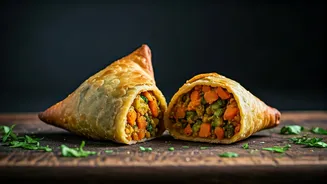
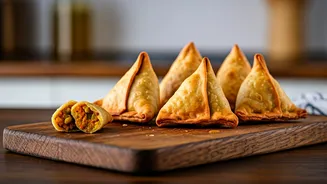
The samosa needs no introduction. It’s the triangular parcel of joy that accompanies rainy days, office chai breaks, and festive gatherings. Its crispy, blistered exterior giving way to a warm, spiced potato filling is a cornerstone of Indian comfort
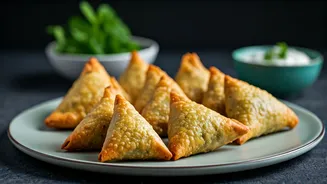
food. For decades, the method has been sacred: a simple dough, a flavourful filling, and a bubbling vat of hot oil. But as lifestyles evolve and wellness becomes a greater priority, even icons must adapt. Enter the baked samosa, a culinary trend that’s rapidly moving from niche food blogs to mainstream family kitchens.
The Health-Conscious Appeal
The most obvious driver behind this trend is health. A traditional deep-fried samosa can be a heavy indulgence, laden with oil and calories. The baked version offers a guilt-free alternative without completely sacrificing the experience. By swapping the deep-fryer for an oven or an air fryer, home cooks can slash the fat content significantly. This makes the samosa a more accessible, everyday snack rather than a once-in-a-while treat. For a generation tracking macros and seeking cleaner eating habits, the baked samosa aligns perfectly with modern wellness goals, allowing them to enjoy a beloved flavour profile without the associated guilt. It’s the same great taste, just with a lighter conscience.
Beyond Health: Convenience and Creativity
While health is a major factor, the trend’s popularity is also fuelled by sheer convenience. Deep frying can be intimidating for many home cooks. It requires a large amount of oil, careful temperature control, and involves a messy cleanup. Baking, on the other hand, is far more straightforward. You simply arrange the samosas on a baking sheet, brush them with a little oil or ghee, and let the oven do the work. This lower barrier to entry has encouraged countless people who would never attempt deep frying to try their hand at making samosas. Furthermore, baking opens up new avenues for creativity. Without the intense heat of oil, there's more room to play with different types of dough—from whole wheat to multigrain—and experiment with fillings that might not hold up to frying, like cheese, paneer, or even sweet concoctions.
The All-Important Texture Debate
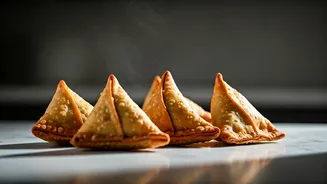
Of course, no discussion of baked samosas is complete without addressing the elephant in the room: texture. Can a baked crust ever truly replicate the unique, bubbly, and shatteringly crisp texture of a fried one? The honest answer is no, not exactly. A baked samosa offers a different kind of pleasure. It's typically lighter and flakier, with a more uniform, biscuity crispness rather than the rugged crunch of its fried counterpart. Purists may argue that it’s an entirely different snack, and they wouldn’t be wrong. However, for many, this difference is a welcome trade-off. The baked texture is satisfying in its own right, and when done correctly, it provides a delightful contrast to the soft, savoury filling. It’s not about replacing the original but creating a worthy and delicious alternative.
Tips for the Perfect Baked Samosa
Ready to try the trend? Success lies in a few key details. To achieve a good crust, ensure your dough is firm but pliable; adding a bit of yogurt or a tablespoon of hot oil can help. When it's time to bake, don't be afraid to brush the samosas generously with oil or melted butter before they go into a preheated oven—this is crucial for browning and crispness. A temperature of around 200°C (400°F) usually works best. The rise of the air fryer has also provided a fantastic middle ground, offering a texture that's closer to fried with minimal oil. Ultimately, the baked samosa trend is about evolution, proving that even the most timeless classics can find a new and exciting way to be enjoyed.