



The Science: Why Humidity Causes Havoc
High humidity, often soaring above 70-80% during India's monsoon, disrupts your skin's natural balance. The excessive moisture in the air prevents the sweat and oil on your skin from evaporating efficiently. This traps a mixture of sebum, sweat, and pollutants
on the surface, creating a perfect breeding ground for bacteria and fungi. This leads to clogged pores, a compromised skin barrier, and an uptick in inflammatory conditions. For Indian skin, which is often more prone to pigmentation and has a higher density of oil glands, this humid environment can quickly trigger a cascade of problems from acne to infections.
Problem: The Unrelenting Oil Slick and Breakouts
One of the most immediate effects of humidity is a noticeable increase in oiliness. Heat and humidity stimulate the sebaceous glands to produce more oil. When this excess oil combines with dead skin cells and environmental grime, it blocks pores, leading to blackheads, whiteheads, and painful acne flare-ups. Many people make the mistake of using harsh, stripping cleansers to combat the grease, but this can backfire. Over-cleansing damages the skin's protective barrier, prompting it to produce even more oil to compensate.
Solution: Cleanse Gently and Use Smart Ingredients
The key is balance, not aggression. Switch to a gentle, pH-balanced gel cleanser, and wash your face no more than twice a day. Look for products containing salicylic acid, which gently exfoliates inside the pores to clear out congestion. After cleansing, incorporating a serum with Niacinamide (Vitamin B3) can be a game-changer. Niacinamide is celebrated for its ability to regulate sebum production, minimise the appearance of pores, and strengthen the skin barrier, making it an ideal ingredient for humid conditions.
Problem: The Rise of Fungal and Bacterial Infections
The warm, damp conditions of August are ideal for microbial growth. Fungal infections like ringworm and athlete's foot, along with bacterial issues like folliculitis (inflamed hair follicles), become much more common. These often appear in areas where sweat collects, such as the back, chest, groin, and feet, causing itching, redness, and discomfort. Wearing synthetic fabrics and staying in damp clothes after being caught in the rain can significantly increase your risk.
Solution: Keep It Dry and Breathable
Prevention is crucial. Always dry yourself thoroughly after bathing, paying special attention to skin folds. Opt for loose-fitting clothes made from breathable fabrics like cotton to allow air to circulate and reduce sweat buildup. If you get wet, change into dry clothes as soon as possible. Using an anti-fungal powder in susceptible areas can also provide an extra layer of protection. It’s also important to not share personal items like towels to prevent the spread of infections.
The Moisturiser Myth in Humid Weather
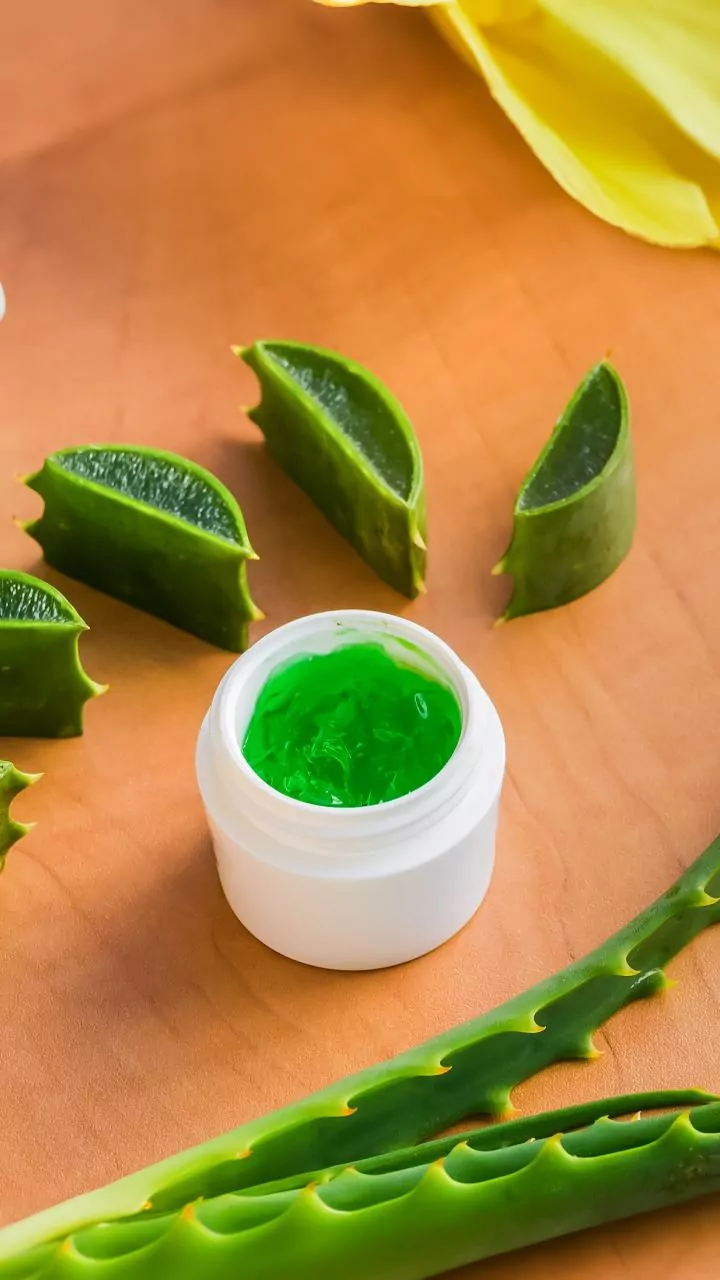
A very common mistake is skipping moisturiser, believing that humid air provides enough hydration. However, humidity and hydration are not the same thing. Even oily skin can become dehydrated, which can ironically trigger more oil production. The solution is not to skip this step, but to switch your product. Heavy, occlusive creams will feel suffocating and clog pores. Instead, choose a lightweight, oil-free, gel-based moisturiser. Ingredients like hyaluronic acid and aloe vera provide hydration without adding weight or grease, helping to keep the skin barrier healthy and balanced.
Don't Forget Sunscreen, Even When It's Cloudy
It’s a persistent myth that sunscreen is unnecessary on cloudy or rainy days. The reality is that up to 80% of harmful UV rays can penetrate cloud cover, contributing to tanning, dark spots, and premature ageing. For Indian skin, which is more susceptible to hyperpigmentation, daily sun protection is non-negotiable. In humid weather, opt for a lightweight, non-comedogenic, gel-based or matte-finish sunscreen with at least SPF 30 to protect your skin without adding shine or clogging pores.