




What Does 'Minimally Processed' Even Mean?
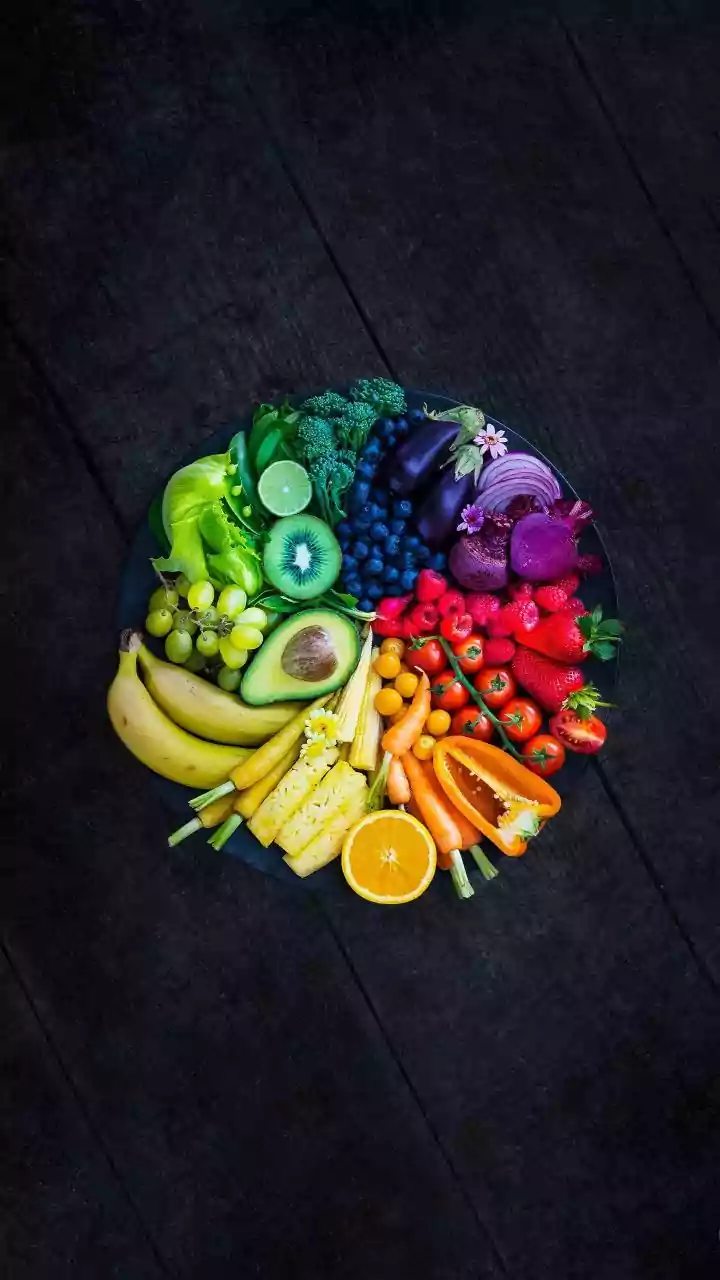
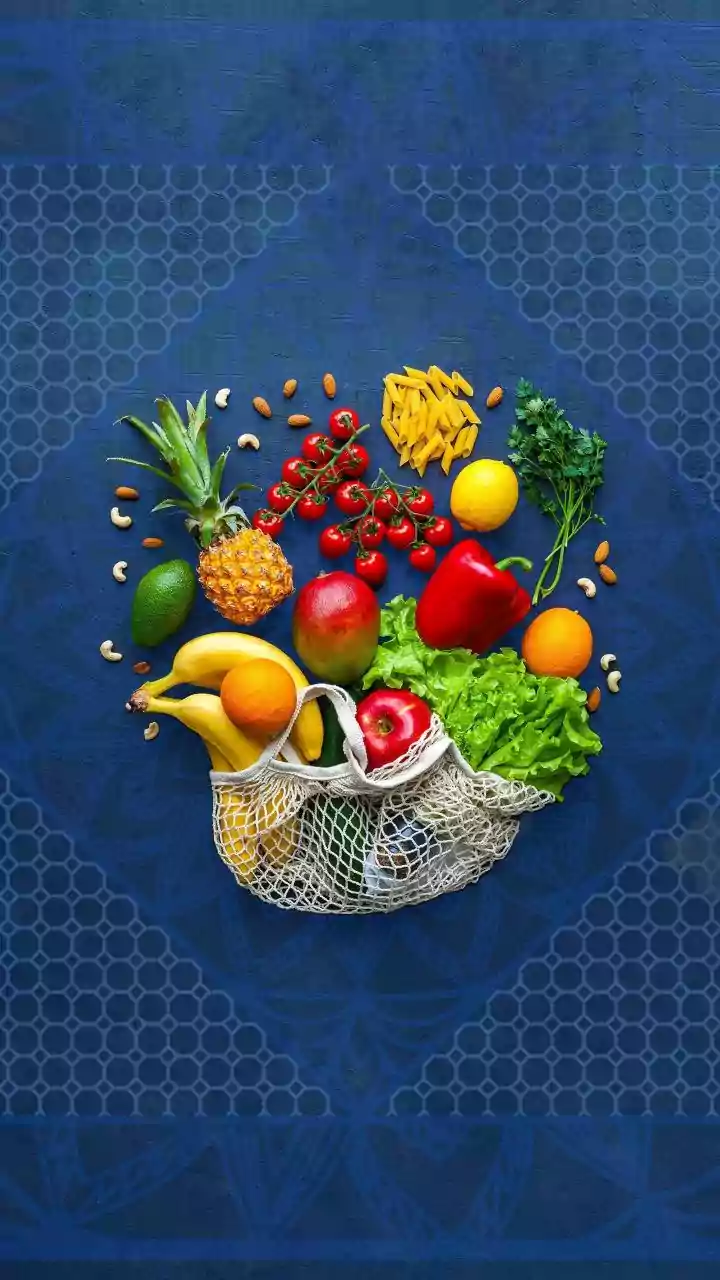
Before you can eat minimally processed foods, it helps to know what they are. Think of food on a spectrum. On one end, you have whole foods, which are in their natural state, like a fresh apple or a raw carrot. On the other end are ultra-processed foods, like sugary
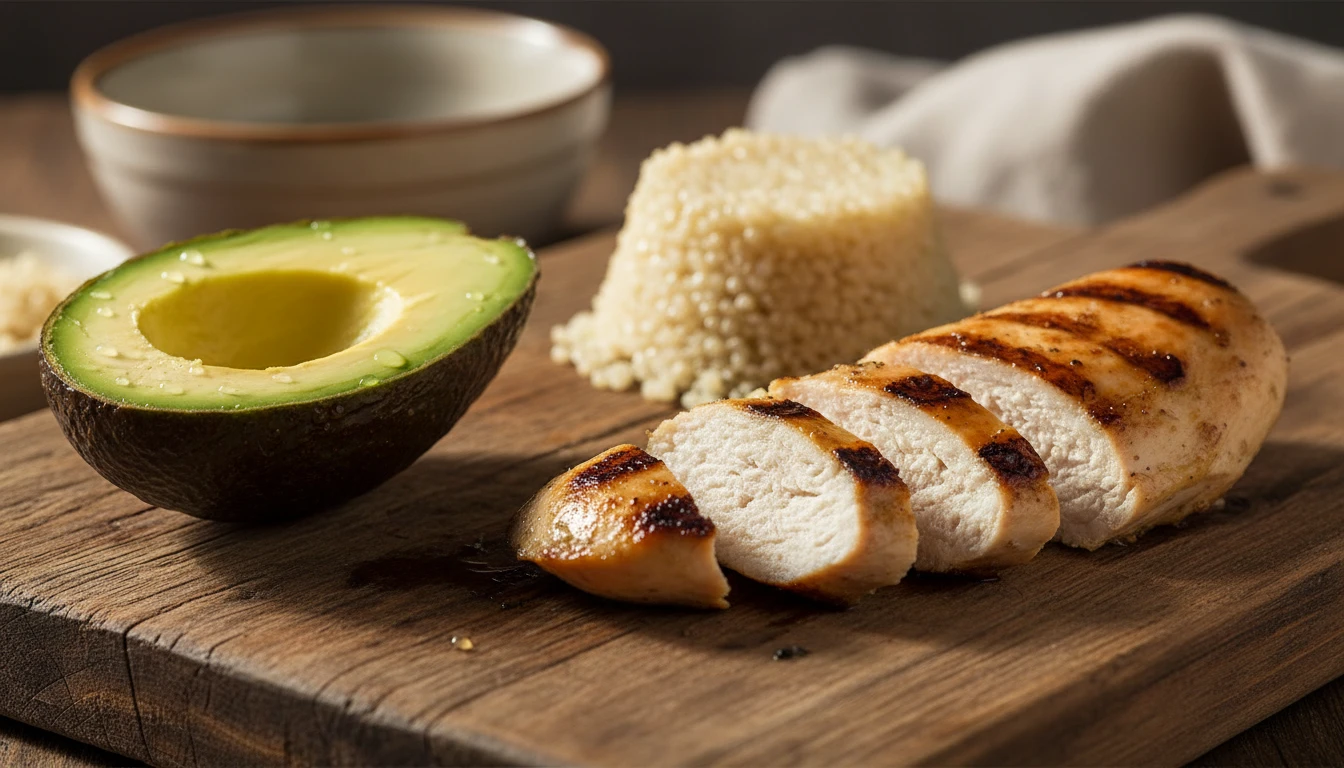
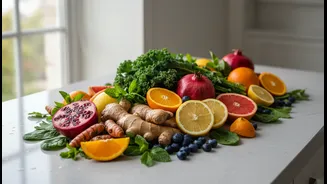
cereals or packaged snacks, which often contain long lists of artificial ingredients. Minimally processed foods are closer to the whole-food end. They've undergone simple processing like washing, cutting, freezing, or pasteurizing, but haven't had a lot of extra salt, sugar, or chemicals added. Think of bagged spinach, frozen berries, or plain yogurt. The key is that their nutritional content remains largely intact.
Swap Your Breakfast Staples
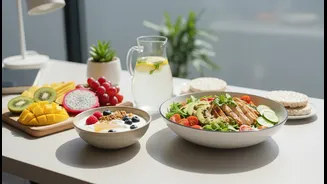
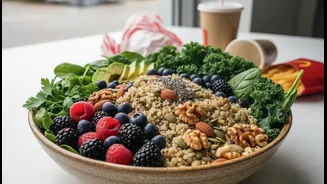
The first meal of the day is often a minefield of ultra-processed options. Instead of reaching for a sugary breakfast cereal, which can cause blood sugar spikes and crashes, try a bowl of porridge or overnight oats. You can top it with fresh or frozen fruit for natural sweetness. Another easy swap is choosing plain, unsweetened yogurt and adding your own toppings like fruit and nuts, rather than buying pre-flavored yogurts that are often loaded with added sugar. If you're a toast person, swap white bread for a whole-grain version and top it with avocado or nut butter instead of butter.
Rethink Your Snacks
Snacking is a major area where processed foods sneak in. Instead of grabbing a packet of chips or cookies, there are plenty of satisfying, minimally processed alternatives. A handful of unsalted nuts, a piece of fresh fruit, or chopped vegetables with hummus are all great options that provide nutrients and fiber to keep you full. Plain rice cakes, a hard-boiled egg, or even plain popcorn can satisfy a craving for something crunchy without the additives found in many packaged snacks. The goal is to choose snacks that are close to their natural state and have a short, recognizable ingredient list.
Smarter Sips and Drinks
It's easy to forget that drinks can be a significant source of processed sugars and artificial ingredients. Sodas, sports drinks, and even many fruit juices are often high in added sweeteners. The simplest swap is to choose water as your primary beverage. If you find water boring, try sparkling water or infuse it with slices of lemon, cucumber, or berries. Unsweetened tea and coffee are also great choices. When you do want juice, opt for 100% natural juice with no added sugar, or better yet, eat the whole fruit to get the benefit of its fiber.
Upgrade Your Pantry Basics
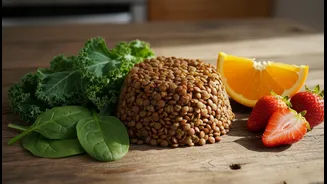
Making smarter choices when stocking your pantry can have a huge impact. Swap refined grains for their whole-grain counterparts, like choosing brown rice over white rice or whole-wheat pasta over white pasta. These versions contain more fiber and nutrients. When it comes to cooking, try replacing creamy, store-bought sauces with a simple tomato-based sauce seasoned with herbs and spices. Reading labels is key. Look for canned beans that are low in sodium, canned fish packed in water, and nut butters without added sugar or oils.
Focus on Addition, Not Subtraction
The mindset you bring to eating is just as important as the food on your plate. Instead of focusing on cutting out 'bad' foods, which can create feelings of deprivation and fear, focus on what you can add to your diet. Think about adding one more vegetable to your dinner or adding a piece of fruit to your breakfast. This positive approach, known as 'crowding out', naturally reduces your reliance on less nutritious options without making you feel like you're on a restrictive diet. Remember, this is a journey of small, sustainable changes, not a race to perfection.