






Understanding Karats: What Do They Mean?
First, let's decode the 'K'. Karat is the unit used to measure the purity of gold. The scale runs from 0 to 24. So, 24K gold is the purest form you can buy, containing 99.9% gold. It's essentially pure gold with no other metals mixed in. On the other hand,
22K gold means that 22 parts of the metal are gold and the remaining two parts are other metals like copper, silver, or zinc. This brings its purity to 91.67%, which is why you'll often see it stamped with the number '916'. That small addition of other metals makes a huge difference in the gold's properties.
24K Gold: The Investor’s Choice
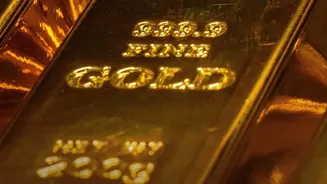
If your primary goal is investment, 24K gold is the clear winner. Because it is the purest form, it holds the highest intrinsic value and its price is directly linked to the market rate for pure gold. This makes it a highly liquid asset that is easily bought, sold, or traded globally. In India, investors typically buy 24K gold in the form of coins or bars. However, this purity comes with a downside: 24K gold is very soft and malleable. It can easily bend, scratch, or deform, which makes it impractical for crafting jewellery meant for regular use.
22K Gold: The Jewellery Standard
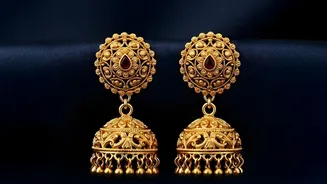
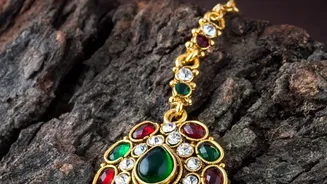
When it comes to buying jewellery—from bangles and necklaces to earrings—22K gold is the preferred choice across India. The reason is durability. The other metals mixed into 22K gold make it much harder and more resilient than its 24K counterpart. This strength ensures that intricate designs hold their shape and that the piece can withstand the wear and tear of daily life without getting easily damaged. While it is slightly less pure, 22K gold still has a rich, warm colour and offers a perfect balance between purity and practicality for wearable items.
Price, Cost, and Resale Value
It's no surprise that 24K gold is more expensive per gram than 22K gold, as it contains more pure gold. The price difference is roughly proportional to the purity difference. However, when buying 22K jewellery, you also have to factor in 'making charges', which are the costs associated with the craftsmanship of the piece. These charges are not typically applied to 24K investment bars or coins. When it comes to resale, both hold good value. With 24K gold, the value is based purely on weight and purity. For 22K jewellery, the resale value is also strong, particularly in cultural markets where craftsmanship is appreciated, although making charges are usually not recovered.
A Final Check: Always Look for the Hallmark
Regardless of whether you choose 22K or 24K, the most crucial step is to verify its authenticity. In India, the Bureau of Indian Standards (BIS) provides a hallmarking system that certifies the purity of gold. A BIS-hallmarked piece of gold jewellery will have a triangular BIS logo and a marking that indicates its purity (e.g., '22K916'). Since June 2021, hallmarking for 14K, 18K, and 22K gold has become mandatory for jewellers in India. This system protects you as a consumer, ensuring you get the purity you are paying for.