

A Comforting Kitchen Staple
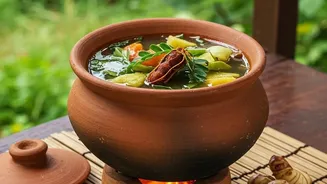
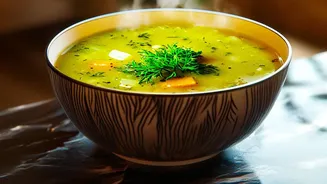
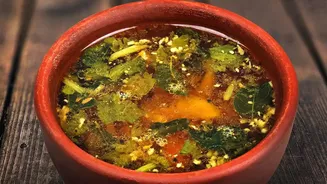
Pepper rasam, known as 'milagu rasam' in Tamil, is a thin, spicy, and tangy broth that holds a special place in South Indian cuisine. Unlike heavier curries or dals, rasam is light on the stomach and celebrated for its soothing properties, making it the go-to
food when one is feeling under the weather. It is to South India what khichdi is to the North—a simple, nourishing meal for recovery and comfort. Whether sipped as a soup to soothe a sore throat or mixed with hot steamed rice, its role as a healing food is deeply ingrained in cultural wisdom.
The Power of Its Ingredients
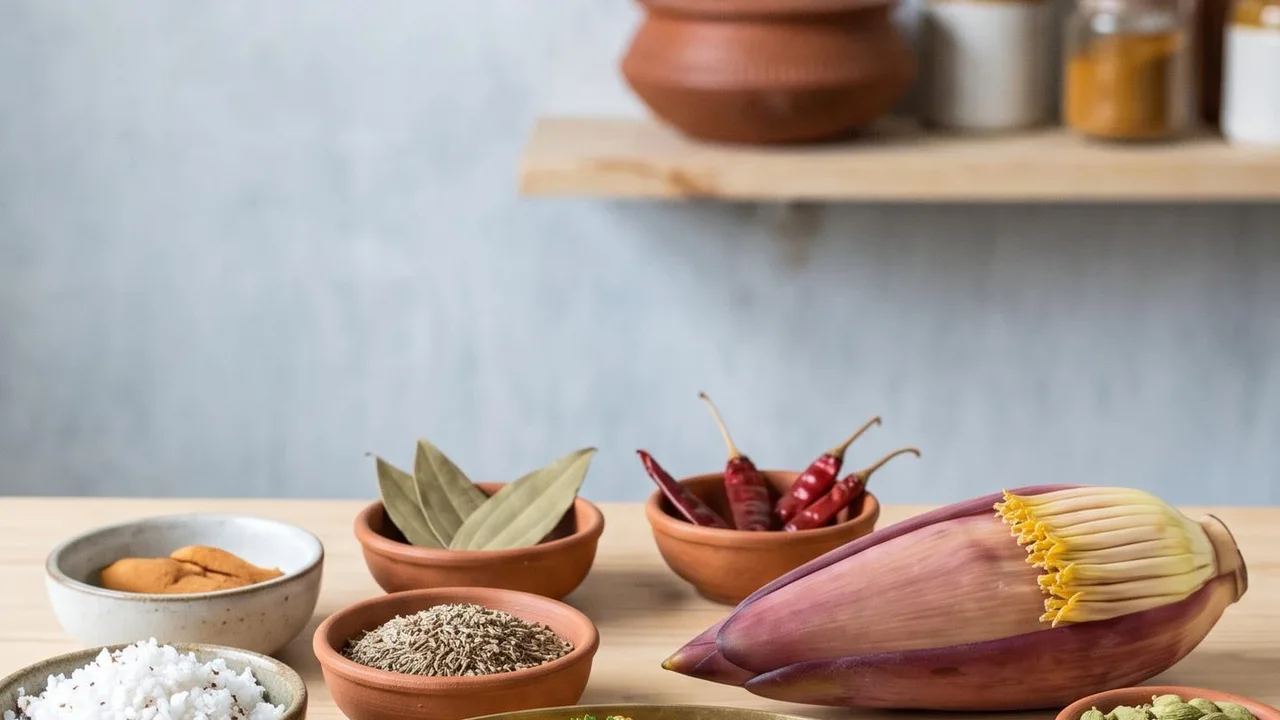
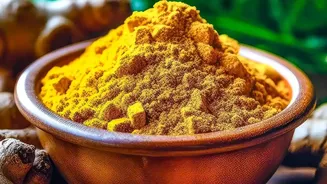
The magic of pepper rasam lies in its blend of simple, potent spices, each chosen for flavour and its traditional benefits. The star ingredient is black pepper, which has long been used in Ayurveda and home remedies to help with coughs and colds. It is known for its warming properties that can provide a sense of relief from congestion. Cumin seeds and garlic, also staples in the recipe, are valued for aiding digestion and supporting immunity. Tamarind provides the signature tangy base and is a source of antioxidants, while turmeric adds its well-known anti-inflammatory qualities. Together, these ingredients create a broth that is both flavourful and functional.
Why It's a Flu Season Favourite
During a cold or flu, the body needs hydration and light nourishment, which is precisely what pepper rasam offers. The warm, fluid nature of the broth helps keep you hydrated, while the spices provide a comforting warmth that can temporarily relieve symptoms like a sore throat and stuffy nose. While no clinical trials prove that rasam can cure a cold, hot fluids have been shown to provide subjective relief from cold symptoms like a runny nose and chilliness. The spicy aroma from the freshly crushed pepper and other spices can help clear the senses, making you feel a little better. It acts as a natural decongestant, making it a popular home remedy during seasonal changes.
A Simple Recipe for Comfort
Making pepper rasam at home is simple and doesn't require any special skills. The key is using freshly crushed spices for the best aroma and flavour.Start by coarsely crushing about one teaspoon each of whole black peppercorns and cumin seeds with a few cloves of garlic in a mortar and pestle. In a pot, combine tamarind extract (from a small lime-sized ball of tamarind soaked in warm water) with a chopped tomato, a pinch of turmeric powder, and salt. Add the crushed spice mix and about three cups of water, then simmer gently until froth appears on the surface, but do not let it boil vigorously.For the final touch, prepare a tempering by heating a teaspoon of ghee and spluttering mustard seeds, a broken dried red chilli, and a pinch of asafoetida (hing). Pour this into the rasam, garnish with fresh coriander leaves, and cover for a few minutes to let the flavours meld.
How to Best Enjoy Pepper Rasam
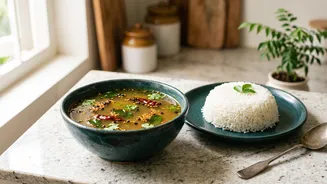
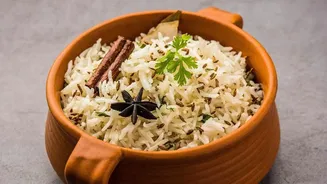
The versatility of pepper rasam is one of its greatest charms. The most traditional way to enjoy it is mixed with a serving of hot, fluffy steamed rice and a dollop of ghee. This combination makes for a light, easily digestible meal that is especially comforting when your appetite is low. It can also be served on its own as a warm, stimulating soup. Sipping a cup of hot rasam can be incredibly soothing for a scratchy throat and provides instant warmth on a cold day. Some enjoy it as an appetiser to kickstart a meal, while others have it at the end to aid digestion. No matter how you choose to have it, this humble dish delivers a powerful dose of comfort and flavour.