






Why Are Oil Prices Climbing?
Global oil prices have been on an upward trend, with the international benchmark, Brent crude, climbing to its highest level since late July. On August 21, prices were holding near $94 per barrel. This recent surge is largely due to geopolitical factors,
particularly unresolved tensions in the Middle East that threaten to disrupt supply from major oil-producing nations. The conflict has raised concerns about the flow of oil through the Strait of Hormuz, a critical transit route for a significant portion of the world's seaborne oil. With no clear resolution in sight, the market is pricing in a 'geopolitical risk premium', meaning prices are staying elevated due to the uncertainty. This instability in a key oil-producing region is the primary reason you're seeing the knock-on effect on prices.
The Direct Hit on Your Flight Ticket
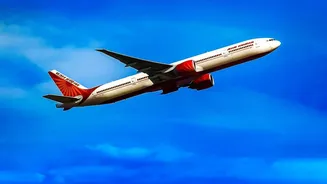
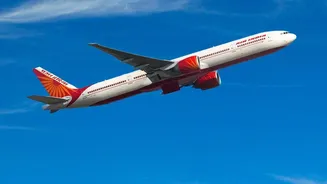
For airlines, jet fuel is typically the second-largest expense after labour. When the cost of crude oil rises, the price of jet fuel follows, and those costs are inevitably passed on to passengers. The International Air Transport Association (IATA) has warned that higher oil prices will mean higher ticket prices. Airlines have already started factoring these higher costs into their pricing. While they can absorb some of the costs, especially on competitive routes, sustained high fuel prices make fare hikes almost unavoidable. United Airlines, for example, noted it would need to recover the majority of its increased fuel expenditure through higher fares. This means the era of cheap pandemic-era flights is firmly behind us, and travellers should brace for more expensive tickets, especially for long-haul journeys.
Your Road Trip Budget Isn't Safe Either
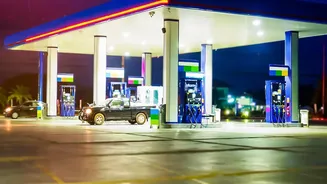
For those planning to explore by car, the news isn't much better. While petrol and diesel prices in major Indian cities like Delhi, Mumbai, and Hyderabad have remained relatively stable recently, the underlying pressure from high crude prices persists. India is heavily dependent on crude oil imports, making domestic fuel prices sensitive to global market shifts. Any sustained increase in international rates typically leads to upward revisions at the pump over time. Some regions are already seeing price increases, with analysts forecasting further hikes if crude prices remain high. So, while there may be a temporary lag, the cost of filling up your tank for that weekend getaway or cross-country drive is likely to increase.
How to Protect Your Travel Budget
While you can't control oil prices, you can be a smarter traveller to mitigate the impact on your wallet. First, book your travel as early as possible. Last-minute flights almost always cost more, and securing your ticket months in advance can lock in a lower price. Second, be flexible with your dates and destinations. Flying on weekdays like Tuesday or Wednesday is often cheaper than on weekends. Using flight comparison tools like Google Flights or Skyscanner can help you spot the cheapest days to fly and even find deals to alternative airports that might be a short drive from your main destination. For road trips, plan your route efficiently to save on fuel and use apps that help locate the cheapest petrol stations along the way. Finally, consider travelling during the off-season when demand is lower and prices are generally more reasonable.
What's the Outlook for Travellers?
The key question is how long this trend will last. The answer depends almost entirely on geopolitical developments. Some analysts warn that if shipping disruptions in the Middle East persist, oil prices could climb even higher. However, other forecasts suggest that if tensions eventually ease, prices could fall back. Airlines are in a tricky position; even if fuel costs drop, they may be slow to lower fares to recover profits lost during the high-cost period. For travellers, this means that elevated prices are likely to be a feature of the travel landscape for the near future. The best strategy is to plan for higher costs and be proactive in your booking to find the best possible deals in a challenging market.