



Why High Humidity Is a Double-Edged Sword
Many popular houseplants originate from tropical regions and appreciate a certain level of ambient moisture. However, when humidity levels get too high, especially without adequate airflow, it creates a dangerous environment. This stagnant, damp air allows
fungal spores and bacteria to thrive. Diseases like powdery mildew, which looks like a white dusting on leaves, and downy mildew, which can cause yellow spots, flourish in these conditions. Excess moisture on leaf surfaces makes it easier for these pathogens to take hold, potentially leading to widespread infection, rot, and a decline in your plant’s health.
Decoding the Signal of Yellow Leaves
A yellowing leaf, a condition known as chlorosis, is a plant's way of signaling that something is wrong. While it can be caused by many factors, including overwatering, underwatering, or nutrient deficiencies, in a high-humidity environment it serves as a critical warning. A dying leaf is a weak point. The plant is already spending energy to seal it off and reabsorb any mobile nutrients. This weakened, senescent tissue becomes an easy entry point for opportunistic fungal and bacterial pathogens that are already thriving in the moist air. What starts as one yellow leaf can quickly become a gateway for an infection that spreads to the rest of the plant.
The Strategic Art of Trimming
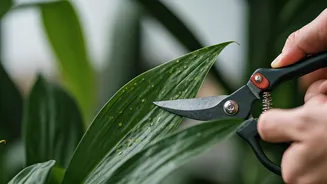
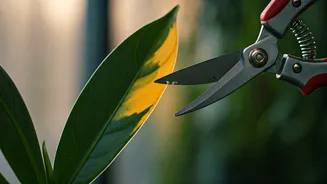
Removing yellow leaves is more than just a cosmetic fix; it’s a strategic defensive move. By promptly trimming away this dying foliage, you achieve several things. First, you remove the primary target for pathogens, reducing the risk of infection. Second, you allow the plant to redirect its energy away from maintaining a dying leaf and toward healthy new growth. Third, removing excess foliage improves air circulation around the plant, which helps to lower the localized humidity and dry out leaf surfaces faster. To do this effectively, always use clean, sharp scissors or pruning shears. Sterilizing your tools with rubbing alcohol before and after each plant prevents the accidental spread of disease. Make a clean cut near the base of the leaf stem without damaging the main stem of the plant. For leaves that are just starting to yellow, it is often best to wait until they are more than half yellow before removing them, allowing the plant to salvage as many nutrients as possible.
Beyond Trimming: A Holistic Approach to Humidity Management
Trimming yellow leaves is a crucial reactive measure, but proactive care is the best way to prevent humidity-related issues in the first place. Improving air circulation is paramount. Ensure there is adequate space between your plants to allow air to move freely. Using a small, oscillating fan on a low setting for a few hours a day can make a significant difference by preventing stagnant, humid air pockets from forming around foliage. Adjust your watering habits as well. In periods of high humidity, soil dries out much more slowly. Always check the soil moisture an inch or two down before watering again. Overwatering can lead to root rot, which creates even more stress on the plant and makes it more susceptible to other diseases.
Recognizing When You Need More Than a Trim
While trimming yellow leaves is effective, it’s also important to recognize the signs of a more advanced infection. If you see fuzzy grey, black, or white mold on the leaves or stems, or if large sections of the plant are turning yellow or brown and becoming mushy, you may be dealing with a full-blown fungal or bacterial disease. In these cases, you may need to isolate the affected plant to prevent it from spreading to others and consider using a fungicide appropriate for houseplants. If a plant is heavily infected, it may be best to dispose of it to protect the rest of your collection. Always inspect your plants regularly for early signs of trouble, as early detection is key to successful treatment.