


Fashion: Weaving Tradition with Modern Threads
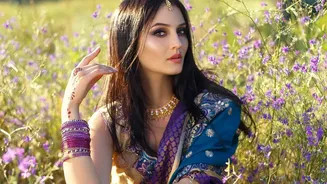
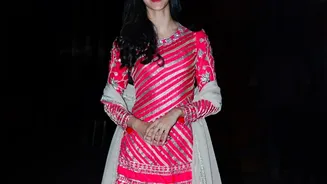
This year, Navratri fashion is all about personal expression fused with traditional comfort. While the classic chaniya choli remains a centrepiece, designers are offering fresh interpretations. Expect to see Indo-Western silhouettes like cape sets, jacket
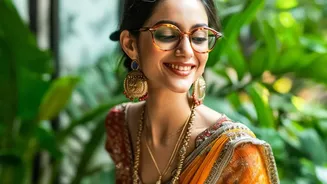
lehengas, and sharara suits taking centre stage on the Garba grounds. These outfits offer the desired flare for dance but with a contemporary edge. The colour palette is also expanding; alongside the customary nine colours of Navratri, deep jewel tones like emerald, sapphire, and ruby are trending for evening events. For fabrics, lightweight options like organza and tissue silk sarees are making a comeback for their graceful movement. There's a strong emphasis on comfortable, breathable materials that allow for hours of dancing. Accessories remain key, with oxidised silver jewellery, colourful potli bags, and embroidered juttis completing the look.
Food: A Feast for the Senses
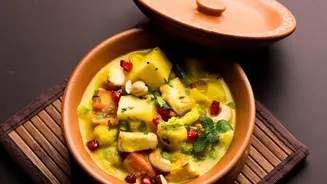
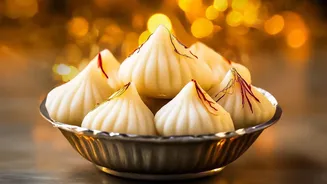
The culinary landscape of Navratri is becoming more innovative each year. While traditional vrat (fasting) staples like sabudana khichdi and kuttu ki poori remain beloved, there's a growing trend towards creative and healthier fasting recipes. Home cooks and restaurants are experimenting with ingredients like rajgira (amaranth) flour for parathas, makhana (fox nuts) for kheer and curries, and sweet potato for delicious tikkis and halwas. The idea is to make fasting meals that are not just permissible but also delicious and energizing. For those not fasting, restaurants are curating special Navratri thalis that showcase regional festive delicacies, often without onion and garlic to cater to a wider audience. From vrat-friendly dhoklas to inventive fruit chaats, the food this season is set to be a delightful exploration of traditional ingredients used in new ways.
Travel: In Search of Rhythm and Reverence
Navratri is increasingly becoming a reason to travel, with people seeking both spiritual and cultural experiences. Gujarat, the heartland of Garba, remains the top destination, with cities like Ahmedabad and Vadodara hosting some of the most authentic and high-energy dance nights. These cities offer a spectrum of events, from massive, professionally organised Garba nights to more intimate, traditional community gatherings. Beyond Gujarat, cities like Mumbai are known for their glamorous, star-studded Navratri events, while Indore offers a warm, community-focused atmosphere. Another significant travel trend is the spiritual pilgrimage. Many devotees plan trips to sacred sites like the Vaishno Devi shrine in Jammu and Kashmir during the nine days to seek blessings. Whether it's for the dance or for devotion, travel plans for October are being firmly shaped by the festival calendar.
Celebrations: The New Beat of the Dhol
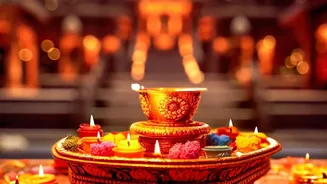
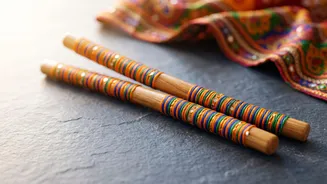
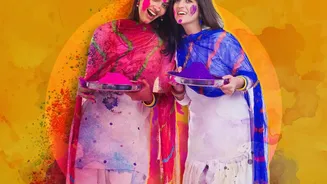
The way Navratri is celebrated is also evolving. There's a noticeable shift towards more conscious and eco-friendly practices. Many families and communities are opting for clay idols instead of those made from plaster of Paris, using natural flowers and reusable items for decoration instead of plastic, and serving prasad on biodegradable leaf plates. This trend extends to fashion, with a move towards restyling older outfits or choosing handloom fabrics to reduce waste. At home, celebrations are becoming more intimate and personalised. Families are organising their own Garba nights, hosting bhajan evenings, and creating beautiful, dedicated corners for daily puja. The use of technology is also present, with many finding Garba tutorials online or sharing their festive looks on social media, connecting a global community of celebrants.