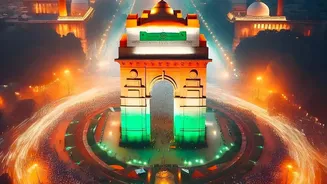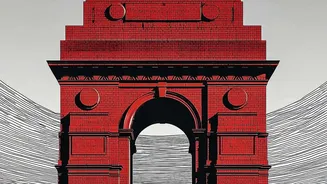



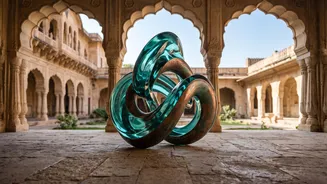
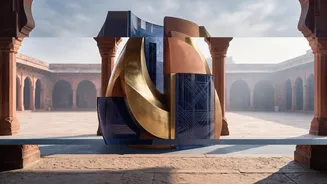
Get ready, Delhi! The capital is set to become a sprawling, open-air gallery. A massive 108-day city-wide festival of art and architecture is on the horizon, promising to transform familiar streets and monuments into canvases for creativity.
A New Cultural Landmark: The India Biennale
The event,
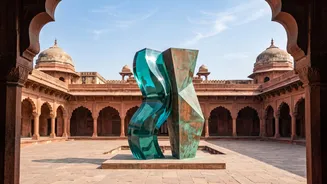
officially named the India Art, Architecture & Design Biennale (IAADB) 2026, is a monumental undertaking by the Ministry of Culture. This second edition of the festival will run from December 4, 2026, to March 21, 2027, spanning 108 days of cultural immersion. Following a successful inaugural event in 2023, this year's biennale aims to be even bigger, establishing itself as a key fixture on the global arts calendar. The core idea is to break art out of the confines of traditional galleries and place it directly within the city's living heritage, creating a dynamic dialogue between the past and the present.
The City as a Canvas
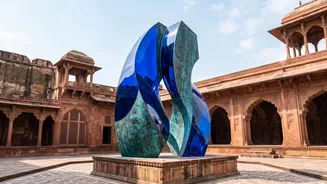
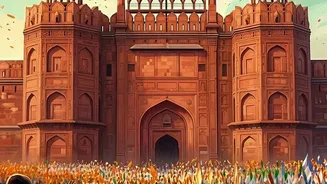
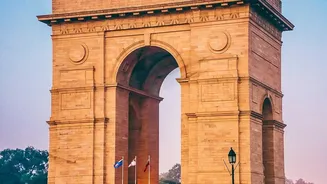
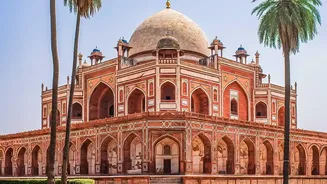
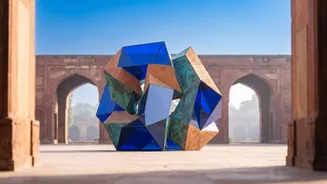
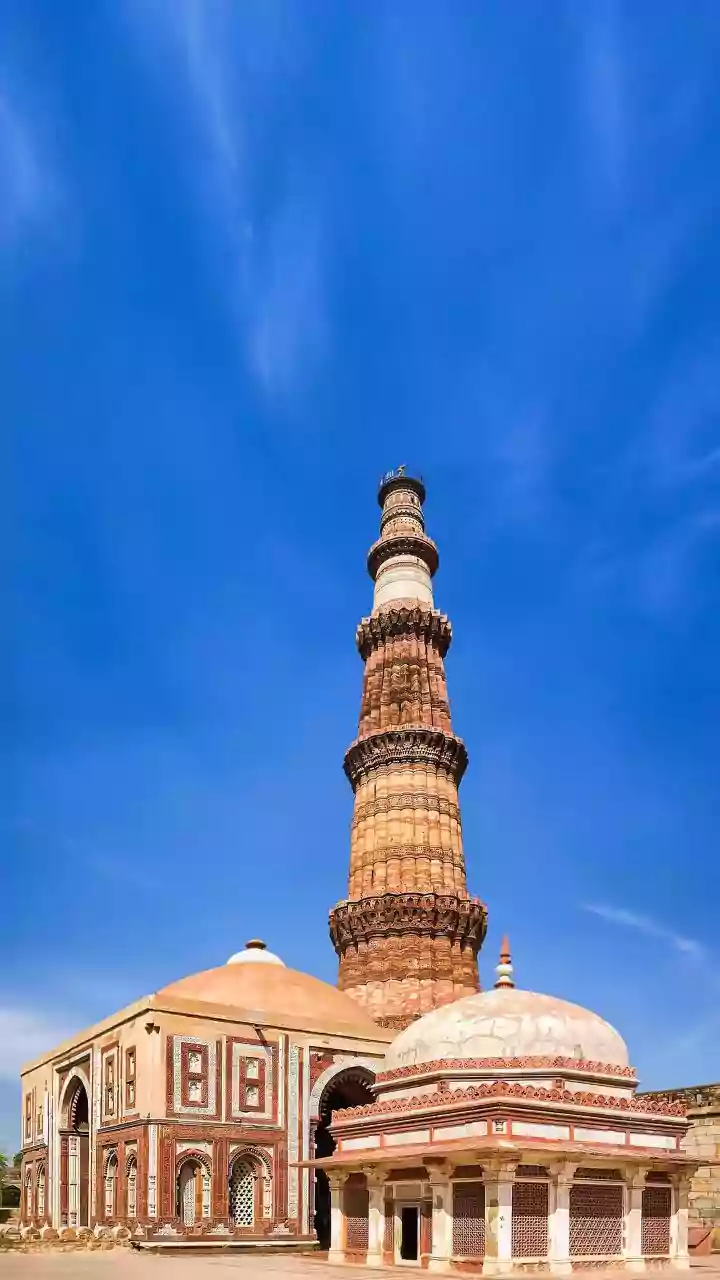
The scale of the IAADB 2026 is its most ambitious feature. Instead of a single location, the entire city will serve as the backdrop. Purana Qila (Old Fort) will act as the primary anchor venue, but the festival will radiate outwards to include a network of Delhi's most iconic sites. Expect to see installations and exhibitions at heritage landmarks like the Red Fort, Qutub Minar, Humayun's Tomb, Safdarjung Tomb, and Jantar Mantar. Public spaces such as Lodhi Garden and Mehrauli Archaeological Park will also be transformed, alongside major cultural institutions like the National Gallery of Modern Art (NGMA) and the National Museum. This city-wide approach invites residents and visitors to rediscover familiar spaces through the lens of contemporary art and design.
The Theme: 'Tat Tvam Asi' (You Are That)
This year's curatorial theme is 'Tat Tvam Asi', a profound Upanishadic phrase meaning 'You Are That'. The concept is a response to our modern, distraction-filled lives, urging a reconnection with ourselves, each other, and our environment. The festival invites artists, architects, and designers to create works that encourage viewers to slow down, look closely, and find a reflection of themselves in the art. The programme will embrace all forms of creativity, from handmade crafts and traditional arts to digital installations and immersive new media, all united under the goal of turning attention into an act of devotion.
What to Expect: Highlights and Participants
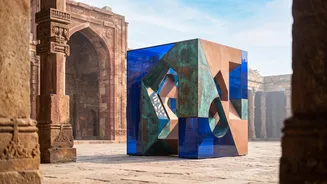
The biennale will feature a diverse array of projects, including curated exhibitions, large_scale installations, live performances, and student_led initiatives. More than 20 countries are expected to participate, including France, Italy, and Switzerland, bringing a global perspective to the heart of Delhi. Several leading cultural foundations are presenting major projects. For instance, DAG will exhibit a rare 18th_century Mahabharata scroll, while the Nita Mukesh Ambani Cultural Centre (NMACC) will present 'Kingdom of Earth'. At Qutub Minar, artist Paresh Maity and designer Ritu Beri will present a unique interpretation of Varanasi, placing it in dialogue with the historic monument. This blend of local and international talent ensures a rich, multi_layered experience for all visitors.
Your Guide to the Festival
Navigating a festival of this magnitude is made simple with a new, unified ticketing system. The India Biennale Pass will grant access to all participating monuments and venues, eliminating the need for separate tickets. Passes are available in various tiers, from a single_day pass for INR 100 to a premium season pass. An official website and a dedicated mobile app will provide maps, schedules, and the ability to book tickets or reserve free entry slots for specific events. This integrated approach is designed to make exploring the 108_day celebration as seamless as possible, encouraging attendees to plan their own cultural journeys across the city.