


The Ultimate Comfort Pairing
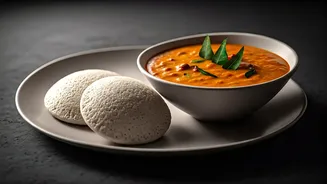
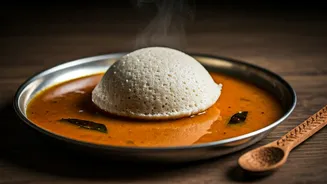
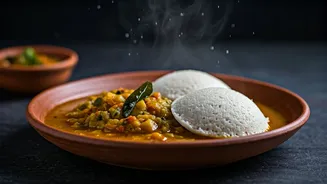
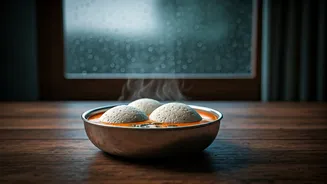
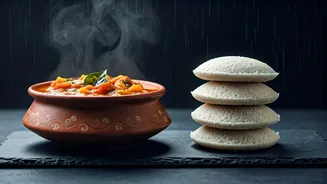
There are few culinary experiences as deeply satisfying as dipping a pillowy, snow-white idli into a bowl of steaming, aromatic sambar. The soft, fermented rice cake acts as the perfect sponge, soaking up the tangy, spicy lentil stew brimming with vegetables.
Each bite is a symphony of textures and tastes—the gentle neutrality of the idli yielding to the complex explosion of tamarind, asafoetida, and toasted spices. On a regular day, it’s a beloved breakfast. But when the monsoon arrives, transforming sunny streets into rain-lashed landscapes, this simple meal transcends its role. It becomes a ritual, a warm embrace in a bowl, chasing away the damp chill and filling the home with an aroma that spells comfort and contentment.
A History in Every Bite
The magic of idli-sambar lies not just in its taste, but in its rich, layered history. Though they seem like an inseparable pair, their origins are distinct and fascinating. Culinary historians trace the idli not to India, but to Indonesia, suggesting that a steamed rice cake called 'kedli' travelled to Southern India with visiting chefs around the 8th to 12th centuries. The fermentation process, a hallmark of the modern idli, was a later Indian innovation that perfected the dish. Sambar, on the other hand, has a more recent and debated Maratha lineage. Legend suggests it was an accidental creation in the 17th-century kitchen of Shahuji I, the Maratha ruler of Thanjavur. While attempting to make a dal dish for his cousin Sambhaji, he experimented by adding tamarind pulp instead of the usual kokum. The resulting creation was a hit and was affectionately named 'sambar' after its esteemed guest. Together, these two dishes, from different lands and different eras, found each other to create one of India’s most iconic culinary partnerships.
The Science of Rainy Day Cravings
Why does this specific meal feel so right during the monsoon? The answer is a blend of psychology and simple science. The drop in temperature during the rains makes our bodies crave warm foods to maintain thermal balance. A bowl of hot sambar provides immediate, comforting warmth. Furthermore, the idli is a complex carbohydrate, which can help boost serotonin levels in the brain, leading to feelings of well-being and happiness—a natural antidote to the gloomy grey skies. The spices in the sambar, like turmeric and black pepper, are known for their immunity-boosting and anti-inflammatory properties, providing a subtle sense of being nourished and protected during a season notorious for colds and coughs. It’s not just in your head; your body instinctively knows this is good for you.
A Unifier with Many Faces
While idli-sambar is often pigeonholed as a 'South Indian' dish, its appeal is truly pan-Indian. It is a staple in Udupi restaurants in Mumbai, a go-to tiffin choice in Delhi, and a comforting meal in homes across the country. Part of its universal charm is its adaptability. The idli remains a constant—soft, steamed, and reliable. The sambar, however, is a canvas. In Tamil Nadu, it might be fragrant with a freshly ground sambar masala featuring coriander and fenugreek. In Karnataka, it often carries a hint of sweetness from jaggery and the distinct flavour of Bisi Bele Bath powder. The Kerala version might be lighter, while the Andhra style could pack a fiery punch. Each regional variation tells a story, yet the fundamental joy of the dish remains the same, uniting diverse palates in a shared appreciation for simple, hearty food.