




A Pattern with a Pedigree
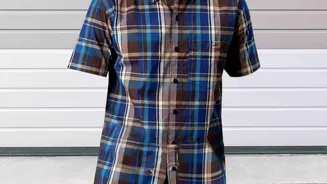
Madras check is not just another plaid. Its story begins in the 17th century in the city of Madras, now Chennai, on the Coromandel Coast. Weavers in the village of Madraspatnam created a lightweight, handwoven cotton cloth perfect for the tropical climate.
Using vegetable dyes, they produced bright, irregular checked patterns that were as unique as the artisans who made them. This wasn't a print applied to fabric; the pattern was woven directly from dyed yarns, giving it the same appearance on both sides—a key authenticator of true Madras cloth. British traders from the East India Company were captivated by its breathable quality and began exporting it, introducing the fabric to the world.
The Science of Comfort
The enduring appeal of Madras lies in its material genius. It's woven from short-staple cotton, which gives the yarn a textured, slightly uneven quality known as 'slub'. This, combined with a loose weave, makes the fabric exceptionally breathable, allowing air to circulate freely and moisture to evaporate. It's a natural performance fabric, designed centuries before synthetic sportswear existed. While many modern fabrics trap heat, the natural fibres and open construction of Madras help regulate body temperature, making it an ideal choice for hot and humid Indian summers. This inherent functionality is a primary reason why, beyond its aesthetic charm, the fabric has never truly gone away.
From Colonial Export to Global Style
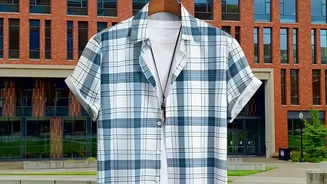
The journey of Madras check is a fascinating story of cultural exchange. Initially worn by India's peasant class, its status shifted when exported to the West, where it became a symbol for those who could afford exotic goods. Its popularity soared in the mid-20th century when it was adopted by American Ivy League students, becoming a cornerstone of 'preppy' style in the form of shirts, shorts, and jackets. However, this adoption often stripped the fabric of its origins. In other parts of the world, like the Caribbean, it was integrated into local dress, becoming a symbol of regional identity and resilience. Today, designers are re-engaging with its rich history, from luxury houses like Dior to local Indian brands dedicated to preserving the craft.
The 2026 Reinterpretation
The current revival feels different. After a long period dominated by minimalist solids, fashion is embracing colour and pattern again, but with a conscience. Consumers are increasingly drawn to authentic products with a story and cultural heritage. The 2026 take on Madras moves beyond the classic men's shirt. We're seeing it in oversized silhouettes, breezy dresses, co-ord sets, and even accessories. Designers are celebrating its handcrafted nature—the slight bleeding of the natural dyes and the texture of the handloom weave—as marks of authenticity, not imperfections. This appreciation aligns with a broader movement towards slow fashion and sustainable, meaningful garments.
More Than a Trend, a Timeless Choice
What separates the 2026 Madras check revival from fleeting trends is its perfect blend of style, substance, and sustainability. The breathable cotton makes it a practical, climate-sensible choice. Its deep roots in Indian craftsmanship connect wearers to a rich cultural legacy, satisfying a modern desire for authenticity. And as the fashion industry continues to champion handloom traditions and artisan communities, Madras check stands as a prime example of a fabric that is both beautiful and built on a foundation of heritage. Choosing Madras today is not just a style statement; it's an investment in comfort, quality, and a piece of living history.