




More Than Just Spinach
First, let's clarify a common misconception. While many outside India associate 'saag' exclusively with spinach (palak), the term actually refers to a wide array of leafy green dishes. The word itself comes from the Sanskrit 'shaak', meaning leafy green vegetables.
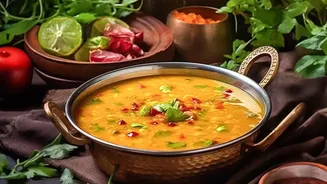
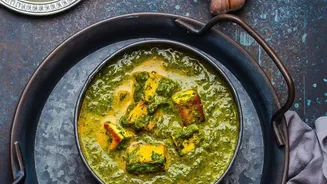
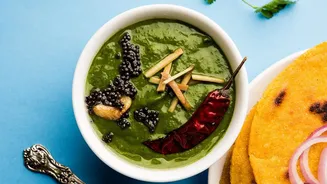
The most famous variant is 'sarson ka saag' from Punjab, a hearty, slow-cooked preparation of mustard greens, often mixed with other greens like spinach or bathua (pigweed) to balance the peppery bite of the mustard. But the world of saag is vast and regional. In Bengal, you might find 'helencha saag', known for its slightly bitter taste, while Andhra Pradesh has the tangy 'gongura', made from sorrel leaves. From the Himalayas to the south, dozens of greens like fenugreek (methi), amaranth (chaulai), and drumstick leaves (sahjan) are used, each offering a unique flavour and texture.
The Classic Case for Roti
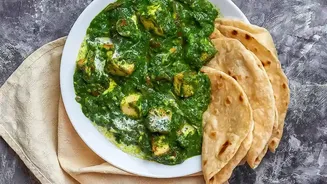
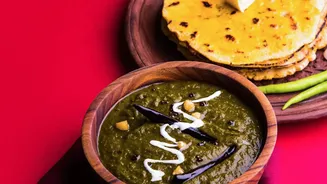
The most iconic pairing, immortalised in countless films and family stories, is 'sarson ka saag' with 'makki ki roti' (a flatbread made from maize flour). This combination is a cornerstone of Punjabi cuisine, especially during the winter when mustard greens are harvested. The logic here is textural harmony. A traditional 'sarson ka saag' is thick, rustic, and coarse. A sturdy, slightly gritty makki ki roti is the perfect vehicle to scoop up the dense greens, its earthy sweetness balancing the pungent, spicy flavours of the saag. Regular whole wheat rotis or chapatis also work beautifully. The act of tearing a piece of bread and using it to eat is a tactile, deeply ingrained part of the dining experience in North India, making roti the default and beloved companion to a thick, luscious saag.
The Comforting Argument for Rice
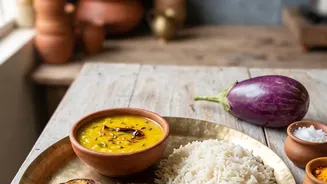
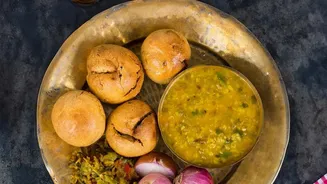
While roti may dominate the popular imagination, pairing saag with rice is a cherished tradition in many households and regions. The choice often depends on the consistency of the saag itself. Lighter, more gravy-like preparations, such as a simple 'palak' curry or the saag dishes found in eastern and southern India, are wonderful with rice. The soft grains of steamed rice act like a sponge, soaking up the spiced, flavourful liquid and ensuring you don't miss a drop. In regions like Odisha and Bengal, rice is the staple grain, making it the natural partner for their local 'shaak' preparations. For many, a 'saag and rice meal'—a mound of rice topped with greens, a dollop of ghee, and perhaps a side of pickle—is the ultimate comfort food, a simple, nourishing, and soulful plate that tastes like home.
It’s All About Consistency
Ultimately, the decision between roti and rice often boils down to the saag's final texture. Is it a thick, rustic, almost-dry preparation that clings to a spoon? That's a dish crying out for a piece of roti to scoop it up. Is it a lighter, more fluid curry with a distinct gravy? Rice will be its best friend, gracefully absorbing all the delicious flavours. Some modern preparations, even of 'sarson ka saag', are blended into a smoother, creamier consistency, which can be enjoyed with either. There's no single right answer, and personal preference plays the biggest role. Many people enjoy having both on their plate to experience the best of both worlds.
A Wholesome, Balanced Meal
Regardless of your choice, a meal of saag with either roti or rice is a nutritional powerhouse. The leafy greens are packed with vitamins A, C, and K, along with iron, calcium, and fibre. They are renowned for boosting immunity, aiding digestion, and supporting bone health. When paired with a whole grain like makki ki roti or whole wheat roti, you get complex carbohydrates and additional fibre for sustained energy. Rice provides easily digestible carbs for comfort and energy. Topped with a dollop of ghee or white butter—a traditional addition—you not only enhance the flavour but also add healthy fats that help your body absorb the fat-soluble vitamins in the greens. It’s a complete, balanced, and deeply satisfying meal rooted in generations of culinary wisdom.