



The Cold-Pressed Advantage
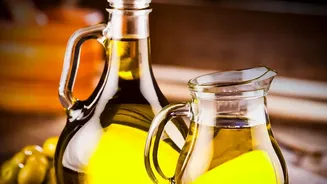
Before we dive into pairings, what makes cold-pressed oils special? Unlike refined oils that use high heat and chemical solvents, cold-pressing involves mechanically crushing seeds at low temperatures. This gentle process preserves the natural flavours,
aromas, and nutrients like antioxidants and vitamins that are often lost during refining. The result is an oil that’s not just a cooking medium, but an ingredient that adds distinct character to your food. While refined oils have their place, particularly in commercial deep-frying, cold-pressed oils offer a more authentic and flavourful experience for everyday home cooking.
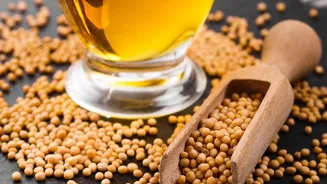
Mustard Oil: The Pungent Powerhouse
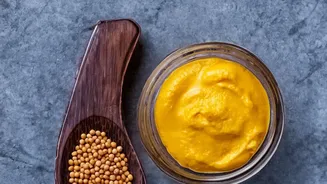
Known as 'sarson ka tel', cold-pressed mustard oil is a cornerstone of North and East Indian cooking, especially in Bengali, Punjabi, and Kashmiri cuisines. Its primary characteristic is a sharp, pungent flavour, thanks to a compound called allyl isothiocyanate, which also gives it natural preservative qualities. This makes it the go-to oil for making pickles (achaar), where it prevents spoilage while adding its signature kick. With a high smoke point of around 250°C, mustard oil is excellent for high-heat cooking methods like deep-frying fish or pakoras and for preparing tadkas. Many traditional cooks heat the oil until it just begins to smoke to mellow its raw pungency before adding other ingredients. Its bold flavour shines in dishes like Bengali fish curry (shorshe maach), aloo posto, and sarson ka saag. It's also used in marinades for tandoori items and can even be drizzled raw over boiled potatoes or eggs for a sharp finish.
Sesame Oil: The Nutty South Indian Staple
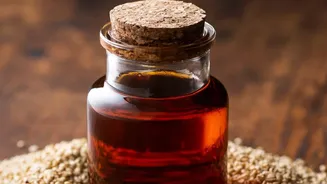
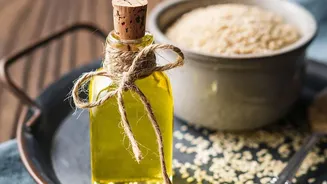
Often called 'gingelly' or 'til' oil, cold-pressed sesame oil is a beloved staple in Southern India. It has a distinct nutty and earthy flavour that is integral to many regional dishes. Unlike the dark, toasted sesame oil used in East Asian cuisine, the lighter Indian version is suitable for cooking. It has a moderate smoke point (around 177°C), making it ideal for tempering spices, light sautéing, and stir-frying over medium heat. It is the classic choice for the tadka in dishes like sambar and rasam, where it carries the aroma of mustard seeds and curry leaves beautifully. It's also drizzled over idlis and dosas, often mixed with 'podi' (spice powder), and used as a base for many pickles in the South. While not the best choice for high-heat deep-frying, its rich, warming flavour enhances everything from lentil dishes to chutneys.
Groundnut Oil: The Versatile All-Rounder
Cold-pressed groundnut oil, or peanut oil, is celebrated for its versatility and mild, slightly nutty flavour that doesn't overpower the main ingredients of a dish. This makes it an excellent all-purpose cooking oil, widely used in Western and Southern India, particularly in Gujarati, Maharashtrian, and Tamil cuisines. With a relatively high smoke point for a cold-pressed oil (around 160-180°C, with some sources citing higher), it is well-suited for most Indian cooking methods, including sautéing, shallow-frying, and even deep-frying snacks like samosas, bhajis, and puris at home. Its stability under heat makes it a reliable choice for preparing everything from poha and upma to vegetable sabzis and curries. Because of its neutral character, it allows the spices in a dish to take centre stage, making it a dependable workhorse in any Indian kitchen.