





Embrace Hardy Gourds and Squashes
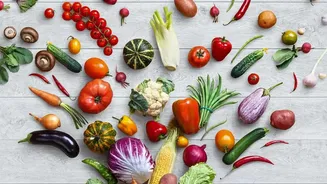
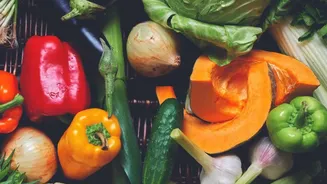
During the damp monsoon, it is wise to be cautious with leafy green vegetables, as they can trap dirt and microbes. Instead, turn to hardy gourds. Vegetables like bottle gourd (lauki), ridge gourd (turai), and bitter gourd (karela) are excellent choices.
Their tough outer skins provide better natural protection against spoilage. These vegetables are also light on the stomach and easy to digest, which is crucial when the digestive system can be sluggish due to humidity. Rich in fibre and water, they can be transformed into simple, nourishing soups and curries that are both comforting and safe. When storing, keep them in a cool, relatively dry part of your kitchen, and they will keep longer than most other fresh produce.
Rely on Stored Pulses and Lentils
When fresh produce feels risky, your pantry staples become heroes. Pulses and lentils (dals) are fantastic sources of protein that, when stored correctly in airtight containers, are unaffected by the season's spoilage issues. In Ayurvedic tradition, moong dal is particularly recommended during the monsoon because it is exceptionally light and easy to digest. A warm bowl of dal or a simple khichdi provides essential nutrients and comfort without overburdening your system. These pantry essentials form a reliable base for countless meals, ensuring you have a safe and protein-rich option readily available, no matter the weather.
Choose Smart Seasonal Fruits
While fruits are a vital part of a healthy diet, selectivity is key during the monsoon. Opt for seasonal offerings like jamun, plums, peaches, apples, and pears. These fruits are typically rich in antioxidants and Vitamin C, which can help bolster your immune system against seasonal infections. It is advisable to avoid fruits with exceptionally high water content, like melons, as they can spoil faster. Always wash fruits thoroughly under running water before consumption. Peeling them just before you eat is another good practice to avoid surface contamination that can proliferate in the humid air.
Spice Up Your Meals for Health
Indian spices are more than just flavour agents; they are medicine in your kitchen, and especially useful during the monsoon. Spices like ginger, garlic, turmeric, and black pepper are celebrated for their anti-inflammatory, antibacterial, and immunity-boosting properties. Ginger can soothe a sore throat and aid digestion, while turmeric is a powerful anti-inflammatory. These spices help stimulate the digestive fire (or 'agni'), which traditional wisdom says is weaker during this season. Using them in your daily cooking not only adds warmth and flavour but also acts as a protective measure for your gut and overall health.
Opt for Light, Comforting Grains
Heavy meals can feel particularly taxing during the humid monsoon months. This is an excellent time to incorporate lighter grains into your diet. Barley (jau), oats, and corn (bhutta) are fantastic choices. Barley is known for being easy on the gut, while oats provide soluble fibre that supports good digestion. Roasted corn on the cob is a quintessential monsoon snack for a reason: it's delicious, filling, and a safer alternative to many street foods. These grains offer comforting, carbohydrate-rich meals without the heaviness of some other preparations, making them ideal for keeping your energy up without feeling bloated or lethargic.