


Paradise Under Pressure
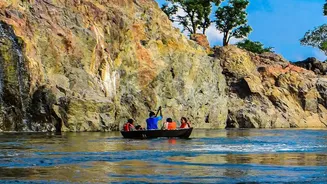
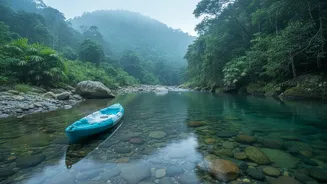
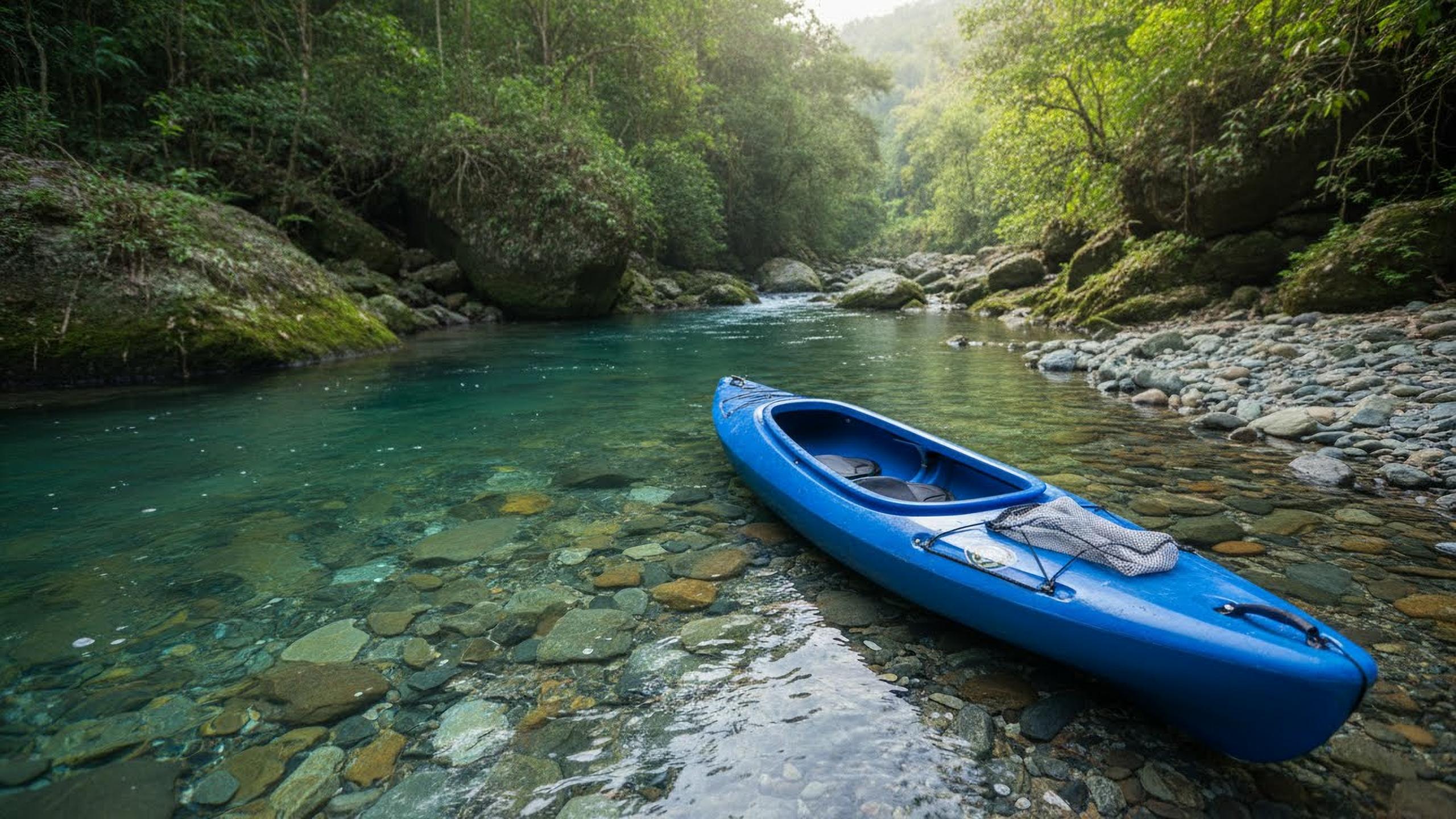
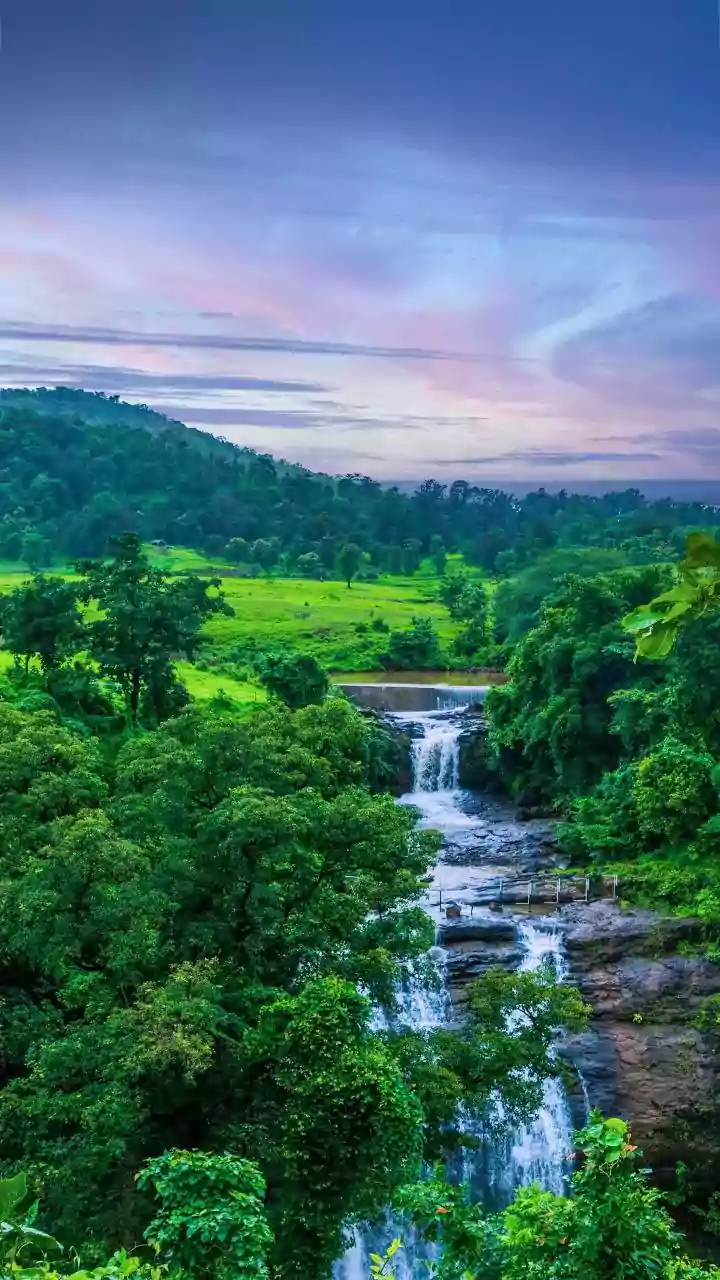
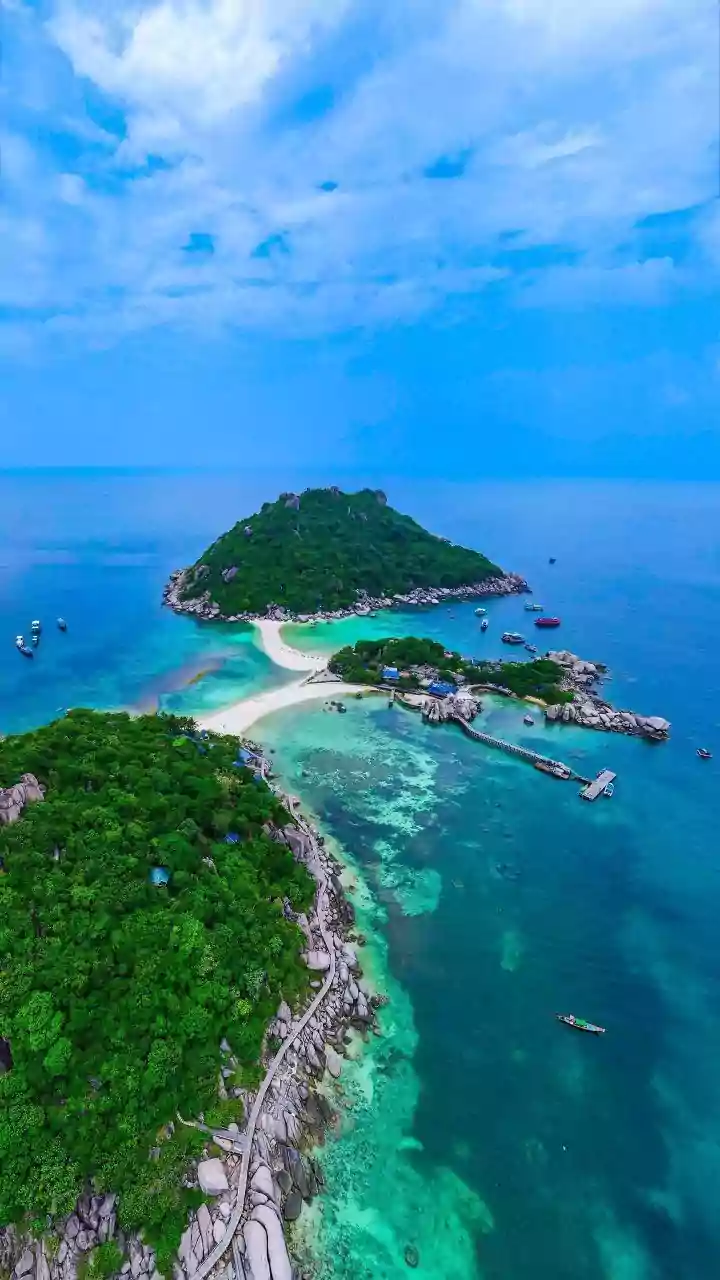
Meghalaya, the 'Abode of Clouds', is home to some of India's most stunning natural landscapes. Its rivers, particularly the Umngot near Dawki, are legendary for their otherworldly transparency, where the water is so clear it feels like gliding on air.
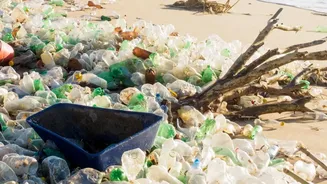
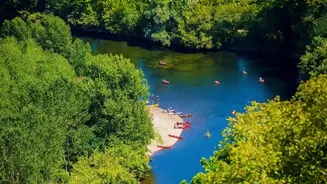
This breathtaking beauty has, unsurprisingly, turned villages like Shnongpdeng and Mawphanlur into bucket-list destinations, drawing travellers from across the globe for boating, camping, and kayaking. However, this surge in popularity has come with a price. Increased footfall has led to a growing problem of pollution, with plastic bottles and other waste threatening the fragile ecosystems that make these rivers so special. Reports have noted that the very clarity of the Umngot has been compromised at times, a worrying sign for a region where local livelihoods are increasingly dependent on tourism.
Paddles with a Purpose
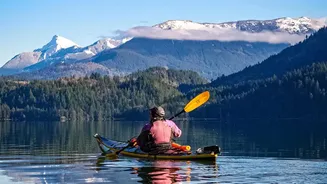
In response, a powerful and purposeful form of adventure tourism is taking root. Local tour operators and community-led groups are pioneering eco-kayaking expeditions. The concept is simple yet effective: travellers get to experience the thrill of navigating Meghalaya's beautiful waterways while actively participating in their preservation. These trips equip adventurers not just with paddles and life jackets, but also with nets and bags to collect any floating trash they encounter along the way. This model turns a recreational activity into a meaningful act of conservation, allowing visitors to leave the environment in a better state than they found it. The initiative is part of a broader push for sustainable practices, including community-led cleaning drives and a 'Green Deposit' scheme where tourists pay a refundable fee for any plastic they bring into sensitive areas.
The Eco-Kayaking Experience
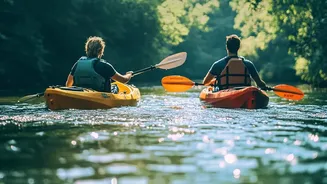
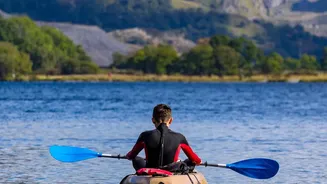
For the traveller, an eco-kayaking trip is a doubly rewarding experience. It begins like any other adventure, with a safety briefing and basic paddling instructions suitable even for beginners. But as you glide across the emerald surface of the Umngot or the Umtrew river, the journey takes on a deeper meaning. Spotting a plastic bottle lodged between rocks and retrieving it becomes part of the adventure. It’s a hands-on connection to the environment that fosters a profound sense of responsibility and accomplishment. Organisers often partner with local villagers, who act as guides, sharing their intimate knowledge of the river, its secret spots, and the importance of keeping it clean. This collaboration ensures that tourism benefits the community directly while reinforcing a shared commitment to conservation.
A Ripple Effect of Change
The impact of these eco-tours extends far beyond just cleaner riverbeds. They are helping cultivate a culture of environmental stewardship among both tourists and locals. When visitors actively participate in a cleanup, it sends a powerful message about responsible travel. For the local communities in places like Umtham village and the West Khasi Hills, these initiatives provide sustainable livelihoods that are directly linked to the health of their natural surroundings. Furthermore, this model is inspiring a new generation of entrepreneurs to build businesses that are both profitable and positive for the planet. The annual Megha Kayak Festival, which attracts international paddlers, also helps shine a spotlight on these conservation efforts, proving that adventure and environmentalism can go hand-in-hand.