
The Great Kofta Catastrophe
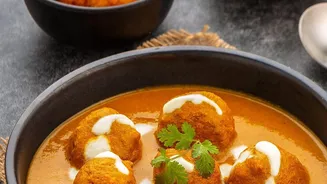
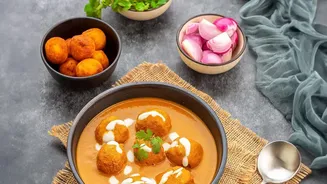
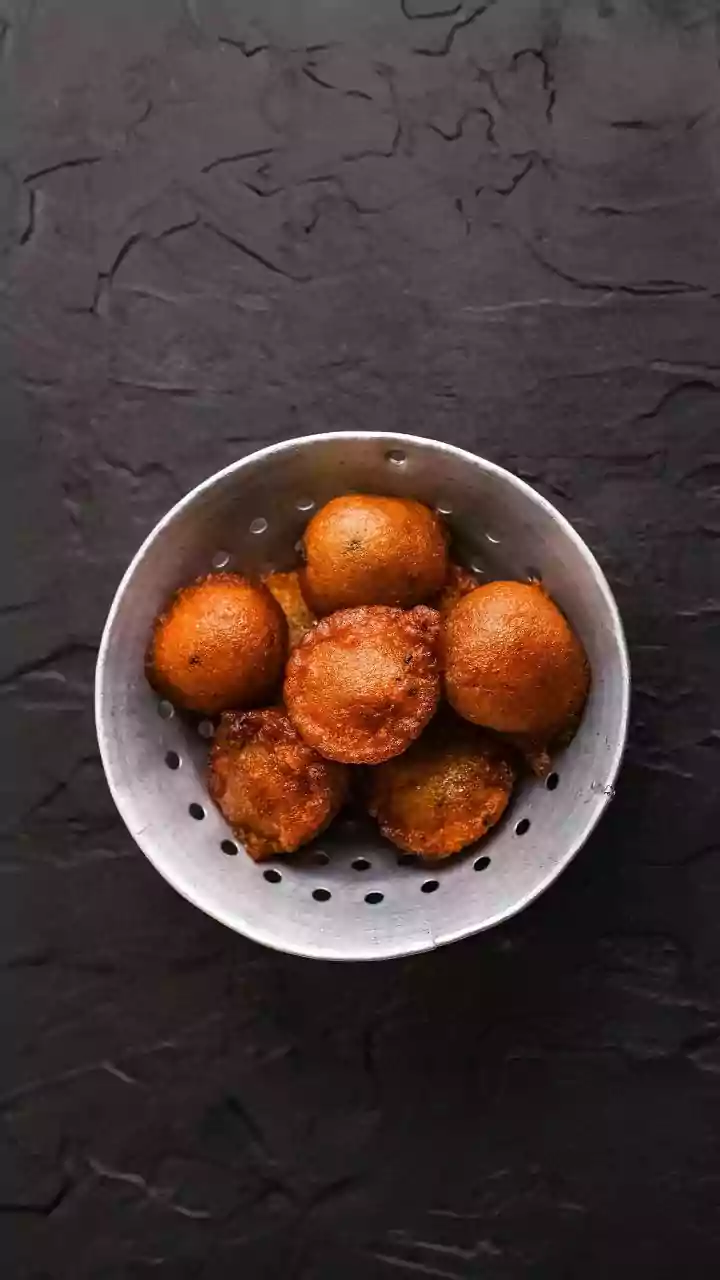
Malai Kofta is a celebrated dish, often reserved for special occasions. Its name, which translates to 'creamy dumplings', promises a luxurious experience. The dish is defined by the contrast between the crisp-fried exterior of the kofta and its soft,
tender interior. Yet, many home cooks face two heartbreaking outcomes: the koftas turn out dense and rubbery, refusing to soak up the beautiful gravy, or they break apart in the hot oil or curry, turning your masterpiece into a murky stew. While binding agents and frying temperatures play a role, the foundation of a perfect kofta lies in the texture of its main ingredient: paneer.
Paneer: More Than Just Cheese
In a malai kofta, paneer isn't just a flavour; it's the primary structural component. Along with a binder like boiled potato, it forms the body of the dumpling. The ideal kofta mixture should be smooth and firm, allowing you to shape crack-free balls. Cracks are weak points that can cause the kofta to break during frying. The texture of the paneer you start with—whether it’s crumbly, moist, or dense—directly dictates how well it will combine with other ingredients and hold its shape under heat.
The Moisture Problem: Too Wet
One of the most common reasons koftas fail is excessive moisture. If your paneer is too wet, the mixture will be sticky and difficult to shape. This excess water turns into steam during frying, forcing the kofta to expand rapidly and break apart. A tell-tale sign is a mixture that feels slick and leaves your palms wet. To combat this, if you're using homemade paneer, ensure it's been pressed thoroughly. If using store-bought paneer that seems watery, you can grate it and spread it on a tray, leaving it uncovered in the refrigerator for a while to help it dry out. Squeezing the grated paneer in a cheesecloth is another effective method.
The Dryness Dilemma: Too Firm
On the other end of the spectrum is paneer that is too dry, crumbly, or rubbery. This is often an issue with store-bought paneer that has been overly pressed or is not fresh. When the paneer is too dry, the kofta mixture lacks the necessary moisture to bind properly, resulting in a crumbly dough that cracks when you try to shape it. These koftas may hold together during frying but will be hard and dense in the final dish. To remedy this, many chefs recommend soaking firm, store-bought paneer in salted hot water for about 30 minutes before using it. This simple step helps to soften the paneer, making it tender and easier to knead into a smooth dough.
Achieving the Perfect Texture
The ideal paneer for malai kofta is soft, fresh, and has a moist, crumbly texture—not wet, and not dry. You should be able to mash it easily with your fingers. Before mixing it with other ingredients, it’s crucial to knead the grated or crumbled paneer (often with the boiled potatoes) for several minutes. This process develops its structure, making the mixture smooth and pliable, which is essential for creating koftas that won’t break. Binding agents like cornflour, all-purpose flour, or breadcrumbs are added to absorb any remaining excess moisture and ensure the koftas hold their shape. However, remember that these are supporting actors; their job is to correct minor imbalances, not to fix fundamentally flawed paneer texture.