


The Search for Authenticity
In an era of globalised palates and fast food, a growing number of urban Indians are looking backwards to move forwards. This isn't just about nostalgia; it's a conscious rejection of the uniformity of mass-produced foods. Consumers, especially millennials
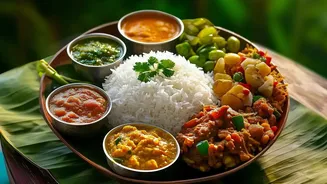
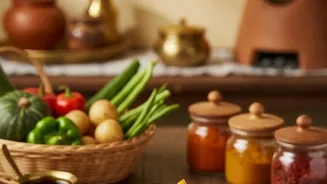
and Gen Z, are seeking products with a story, and what story is more compelling than a family recipe passed down through generations? This quest for authenticity has fuelled a renewed appreciation for foods that are local, seasonal, and made with traditional methods. The movement celebrates the distinctiveness of regional Indian culinary traditions, which had been overshadowed by a wave of homogenised, industrial food products for decades. It is a rediscovery of heritage, served with pride.
Grandma's Recipe, Digitally Delivered
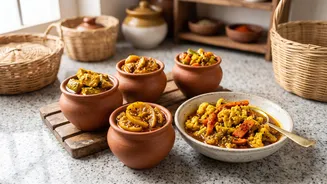
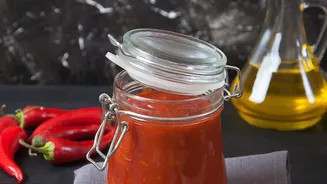
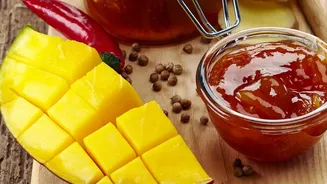
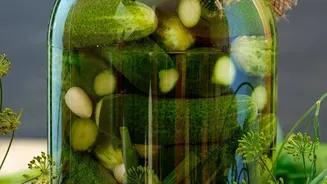
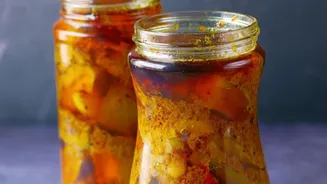
This shift is being powered by a new wave of entrepreneurs who are packaging tradition for the digital age. The direct-to-consumer (D2C) model has become a game-changer, allowing small, home-grown businesses to reach customers across the country. Brands like 'JhaJi', started by two sisters-in-law in Bihar, and 'The Pickls', founded by a Bangalore couple, are finding huge success by selling traditional pickles and condiments online. These companies, often women-led or family-run, combine authentic recipes with modern branding, food safety protocols, and smart logistics. They are essentially creating a bridge between grandmothers' kitchens and the urban consumer who craves that taste but lacks the time or knowledge to make it themselves. The market is booming, with the Indian pickle industry alone projected to be worth over ₹8,600 crore by 2033.
Beyond Nostalgia: A Taste of Wellness
The return to traditional foods is deeply intertwined with the modern wellness movement. After years of chasing Western superfoods, many are realising the nutritional powerhouse that exists within Indian culinary traditions. Fermented foods like pickles, long a staple for their preservative qualities, are now being celebrated for their probiotic benefits and positive impact on gut health. Consumers are increasingly wary of long ingredient lists filled with artificial preservatives and chemicals. They are drawn to 'clean-label' products that promise simple, natural ingredients. This health consciousness has propelled foods like millet-based snacks, regional spice blends, and traditionally prepared condiments from the background to the forefront of the urban diet.
Rediscovering India's Culinary Map
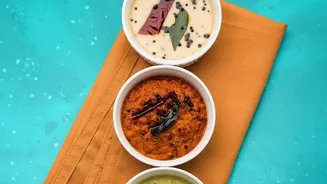
This trend goes far beyond the standard mango or lemon pickle. It's a journey of culinary rediscovery, highlighting the incredible diversity of India's regional flavours. Urban pantries are now making space for ghost chilli pickles from the Northeast, tamarind chutneys from the South, and unique preparations from Mithilanchal in Bihar. This exploration is about more than just taste; it's about connecting with different parts of the country's cultural fabric. For many, trying a specialty from another state is a form of culinary tourism, an accessible way to experience a different culture without leaving their city. This growing demand for regional specialities is encouraging producers to preserve and promote unique local recipes that might have otherwise been lost.