







The Invisible Work of Staying Cool
Your body is constantly working to maintain a stable internal temperature, a process called thermoregulation. When you're in a hot environment, your body has to work overtime to cool down. It does this by widening blood vessels and sending more blood to the skin
to release heat, and, of course, by sweating. This entire process requires a significant amount of energy, which can leave you feeling sluggish, foggy, and unmotivated even before you’ve walked a single kilometre. That feeling of exhaustion after a day of sightseeing in the heat isn't just in your head; it's your body's response to a heavy, invisible workload.
Why Humidity Is the Real Energy Thief
People often say, "It's not the heat, it's the humidity," and there's real science to back that up. Sweating is your body's primary cooling mechanism, but it only works when the sweat can evaporate from your skin, taking heat with it. In high humidity, the air is already saturated with moisture, which means your sweat evaporates much more slowly, if at all. Your body continues to sweat in an attempt to cool off, leading to fluid loss without the cooling benefit. This makes you feel sticky, uncomfortable, and profoundly tired as your system struggles to regulate its temperature.
Plan Your Day Around the Sun
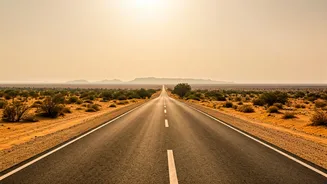
One of the most effective strategies for managing energy during hot-weather travel is to work with the climate, not against it. Plan your most strenuous outdoor activities, like walking tours or hiking, for the cooler parts of the day—early morning or late evening. The sun is typically at its strongest between 10 a.m. and 4 p.m. Use this midday period for indoor activities like visiting a museum, enjoying a leisurely lunch in an air-conditioned restaurant, or even taking a siesta back at your hotel. This rhythm allows you to see the sights without succumbing to peak heat.
Hydration is More Than Just Water
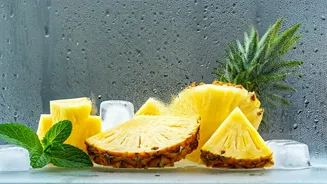
Staying hydrated is crucial, but it's about more than just drinking water when you feel thirsty; by then, you may already be dehydrated. Make it a habit to sip water throughout the day. When you sweat heavily, you also lose essential electrolytes like sodium and potassium, which are vital for muscle function and energy. Consider adding electrolyte powders to your water or snacking on salty foods to replenish what you've lost. Also, incorporate water-rich foods like watermelon, cucumber, and oranges into your diet for extra hydration.
Dress for Comfort and Coolness
Your clothing choices can make a massive difference in your comfort levels. Opt for lightweight, loose-fitting clothes made from breathable, natural fabrics. Cotton and linen are excellent choices because they allow air to circulate and help heat escape from your body. Light-coloured clothing is also preferable, as it reflects heat rather than absorbing it. While it might be tempting to wear less, loose long-sleeved shirts and pants can sometimes offer more protection from the sun without adding warmth, keeping you cooler in the long run.
The Mental Boost of Pleasant Weather
When the weather is pleasant—not too hot, not too cold—it does more than just make us physically comfortable. Sunshine has been shown to boost the brain's production of serotonin, a natural mood stabilizer, which can make us feel more positive and energetic. Relief from oppressive heat and humidity can feel like a weight has been lifted, improving our mood, reducing irritability, and increasing our motivation to explore. This psychological boost is a key part of why a vacation in a comfortable climate can feel so genuinely refreshing and restorative.