




A New Martian Strategy
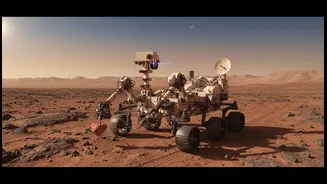
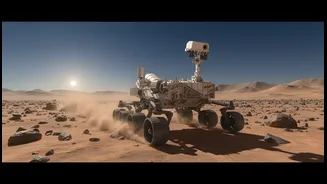
For decades, NASA’s robotic explorers on Mars, from Sojourner to Perseverance, have been revolutionary scientists. They’ve acted as remote geologists and chemists, fundamentally changing our understanding of the planet's past. Now, the strategy is shifting.
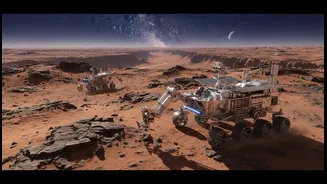
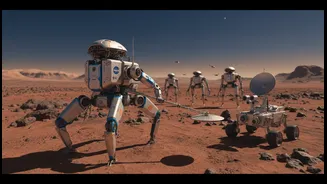
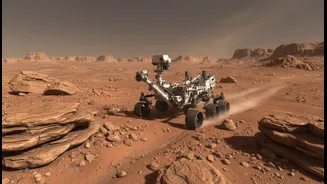
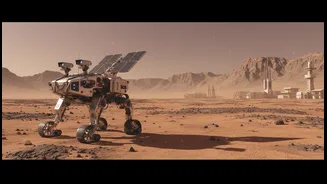
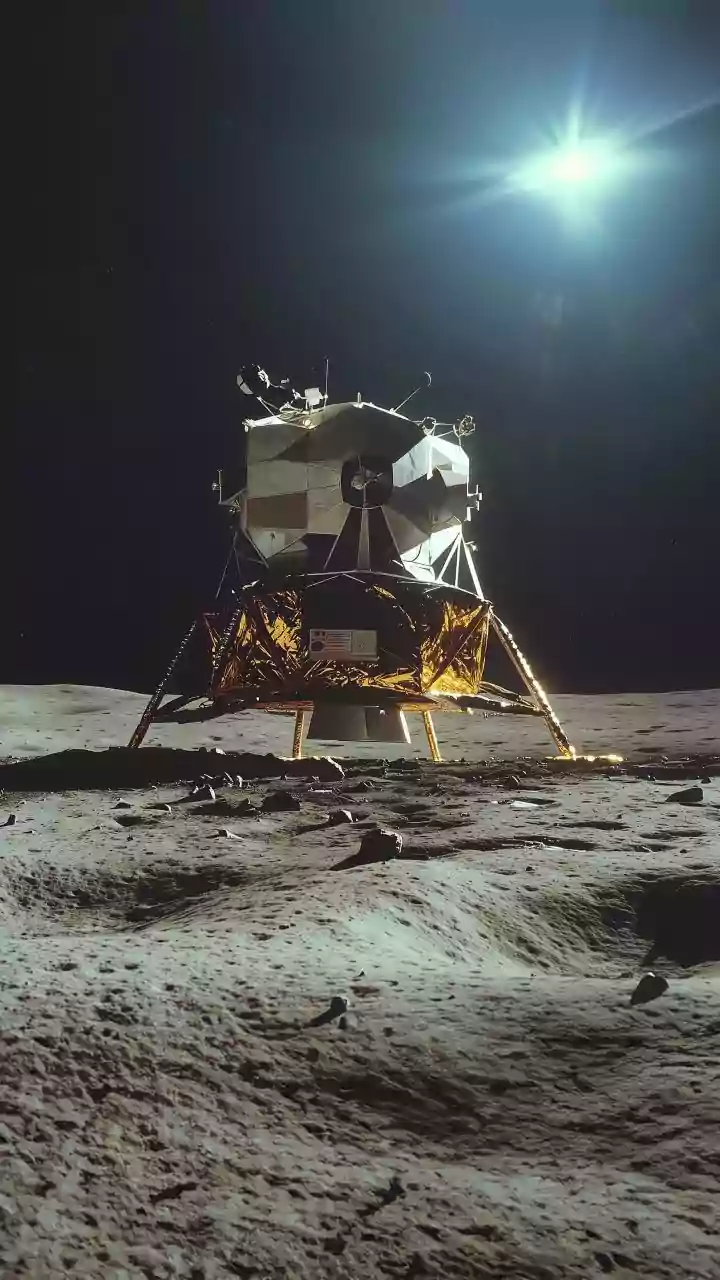
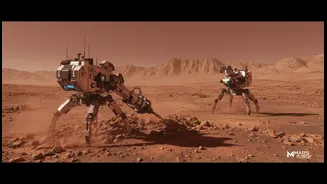
Under its overarching Moon to Mars objective, NASA is betting that the next wave of robots must be more than just scientists; they need to be scouts, miners, and construction workers. This new era focuses on preparing Mars for the arrival of humans. The goal is no longer just to study the planet, but to learn how to live and work there, using the Moon as a crucial proving ground for the necessary technologies and operations. It’s a strategic pivot from pure exploration to practical preparation.
Living Off the Land
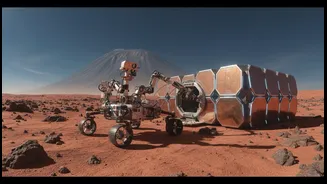
The biggest hurdle for a human mission to Mars is the sheer amount of supplies required. Launching everything from Earth is prohibitively expensive and complex. The solution is a concept called in-situ resource utilization (ISRU), or living off the land. NASA is developing robots specifically designed to find and process local Martian resources. The Mars Oxygen In-Situ Resource Utilization Experiment (MOXIE), an instrument aboard the Perseverance rover, has already proven this is possible by successfully converting Mars' thin, carbon dioxide-rich atmosphere into breathable oxygen. Future robotic missions will be tasked with the critical job of prospecting for water ice deposits buried beneath the surface, which could provide drinking water for astronauts and be broken down into hydrogen and oxygen for rocket fuel.
Strength in Numbers
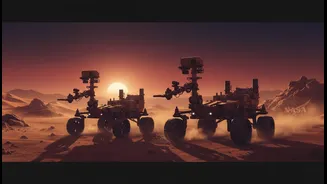
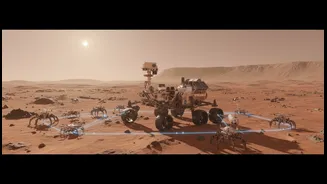
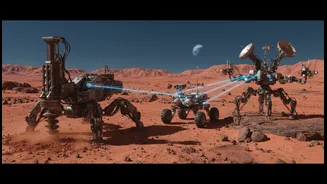
Instead of relying on single, large, expensive rovers, future missions may deploy swarms of smaller, cooperative robots. A key demonstration of this technology, called CADRE (Cooperative Autonomous Distributed Robotic Exploration), is slated to land on the Moon in 2026. This mission features three suitcase-sized rovers that will work together as an autonomous team, communicating with each other to map the lunar terrain without constant step-by-step commands from Earth. This cooperative approach allows for more ground to be covered and enables data collection that would be impossible for a single robot. The success of CADRE on the Moon will be a blueprint for deploying similar robotic teams on Mars to perform complex tasks like surveying large areas for resources or assembling habitats.
Next-Generation Mobility
Many of the most scientifically interesting regions on Mars, including areas suspected to hold water ice, are in rugged, hard-to-reach terrain. To get there, NASA is investing in entirely new forms of mobility. In July 2026, the agency awarded contracts to seven private companies under its STRIDE initiative to develop next-generation robotic mobility systems capable of tackling these challenging landscapes. The exploration isn't limited to the ground, either. Building on the phenomenal success of the Ingenuity helicopter, NASA announced the SkyFall mission in March 2026. This mission will send a team of three advanced helicopters to Mars. These aerial scouts will be able to fly into areas inaccessible to rovers, mapping potential subsurface ice deposits and scouting safe landing zones for future human-scale landers.
The Ultimate Robotic Task
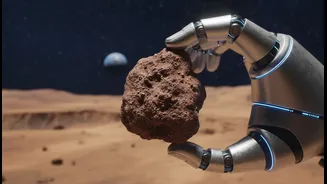
Perhaps the most complex robotic endeavor is the Mars Sample Return (MSR) mission, a joint effort with the European Space Agency. The Perseverance rover has already collected and cached dozens of pristine rock and soil samples in Jezero Crater, chosen for its potential to hold signs of ancient life. The plan involves a series of robotic missions to retrieve these samples and launch them back to Earth for study in advanced laboratories. The program has faced significant challenges, with a major review in recent years leading to a strategic reset due to escalating costs and schedule delays. NASA is now actively exploring new, more affordable architectures, with a final decision on the path forward expected in late 2026. Successfully returning these samples remains a top priority, as they could revolutionize our understanding of Mars and are seen as a critical precursor to human missions.