


The Final Act of the Monsoon
The four-month southwest monsoon season, which provides about 70% of India's annual rainfall, is drawing to a close. But the final act in September is arguably one of the most critical. After an erratic season marked by a significant deficit in June,
a recovery in July, and another weak spell in August, all eyes are on the concluding month. The India Meteorological Department (IMD) has forecast that rainfall in September 2026 is likely to be below normal for the country as a whole. This is significant because September rains are vital for two main reasons: they provide the final burst of moisture for standing Kharif (summer) crops to mature properly, and they determine the water levels in reservoirs, which are crucial for the upcoming Rabi (winter) sowing season.
Which Crops Are on the Line?
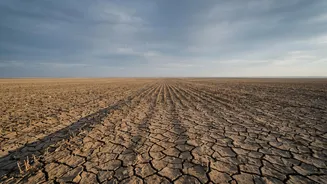
The September rainfall directly impacts several key crops that are staples in Indian kitchens. A deficit could hurt the yields of rice, pulses, soybeans, and cotton, which are in their critical grain-filling or maturing stages. As of late August 2026, the total area under Kharif crops was already trailing the previous year, with rice acreage showing a notable decline. A lack of rain can lead to lower soil moisture, stressing the plants and potentially reducing the final output. Pulses (dals) and oilseeds are particularly vulnerable. Any shortfall in their production means India might have to rely more on imports, which can influence domestic prices. Even the cost of milk can be indirectly affected, as poor rains reduce the availability of green fodder for cattle, increasing costs for dairy farmers.
From Farm Fields to Market Shelves
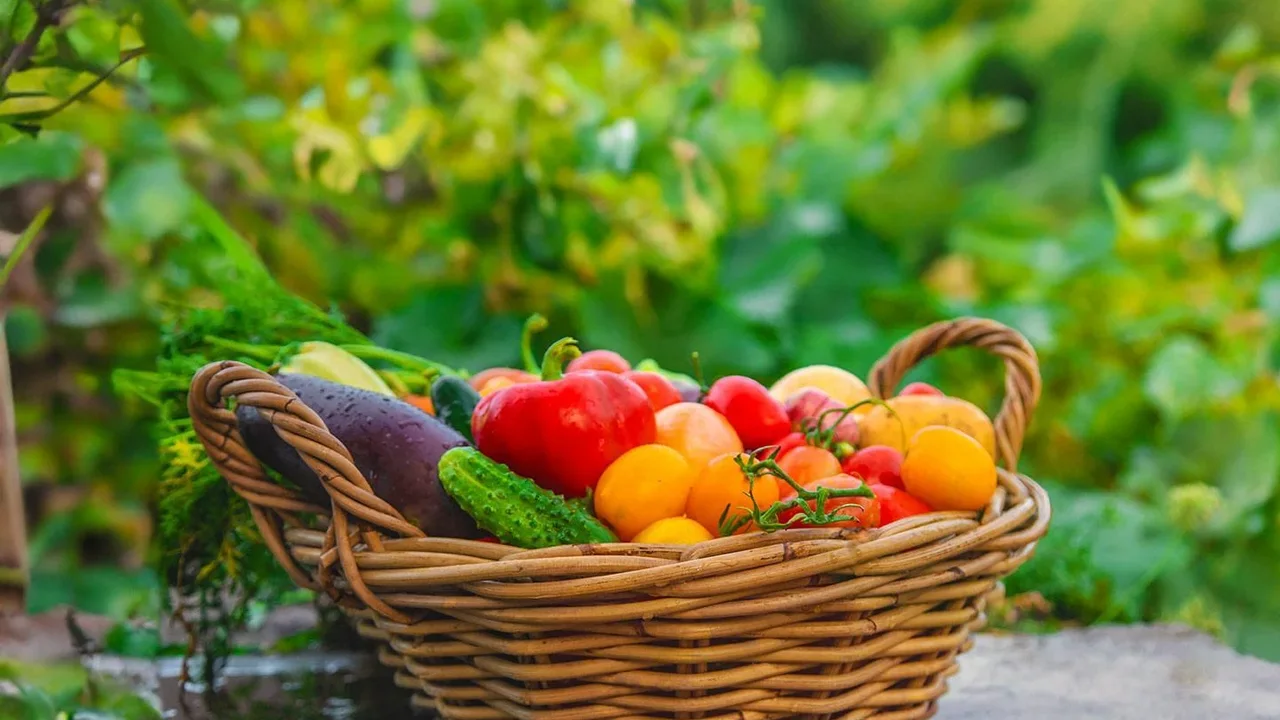
The journey of food from the farm to your plate is a complex chain, and weather is the first link. A poor harvest due to deficient rain tightens supply. When lower quantities of produce reach the wholesale markets (mandis), prices naturally tend to rise due to the supply-demand gap. This effect then trickles down to retail outlets and, ultimately, to consumers. Food inflation is already a concern, with prices showing an upward trend in recent months. The performance of the September monsoon will be a deciding factor in whether this inflationary pressure eases or intensifies. While the government has buffer stocks of staples like rice and wheat to manage shortages, the prices of perishable items like vegetables are far more sensitive to immediate weather-related disruptions.
The Broader Economic Picture
The impact of the monsoon extends beyond just food prices. The agricultural sector is a massive part of India's economy, and a weak performance can affect rural incomes and demand for other goods and services. The current situation is compounded by a strengthening El Niño, a climatic pattern in the Pacific Ocean that is typically associated with weaker monsoon rains in India. Furthermore, water levels in many of India's major reservoirs were already reported to be below normal and lower than last year's levels in July, increasing the stakes for the final spell of rain. A poor September could therefore not only hurt the current Kharif harvest but also compromise the foundation for winter crops by leaving reservoirs and soil under-prepared.
What to Expect on Your Grocery Bill
Given the forecast for below-normal September rains, there is a heightened risk of food prices rising in the coming months, especially as the festive season approaches. Staples like pulses and some edible oils may see price pressure first. The United States Department of Agriculture's Foreign Agricultural Service has already projected a potential cut in India's rice and corn production for the year due to the weak monsoon. While some regions are expected to receive normal rainfall, the overall national deficit, especially in key agricultural belts, is a cause for concern. Consumers should brace for potential volatility in food prices over the next few months, with the cost of dals, vegetables, and cooking oils being key indicators to watch.