



The 'European' Illusion in Old Tbilisi
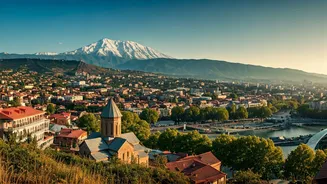
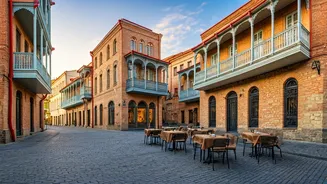
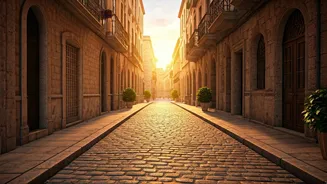
Step into Tbilisi’s Old Town, and you’ll immediately understand the comparison. Winding cobblestone alleys, centuries-old houses with ornate wooden balconies, and hidden courtyards evoke the feeling of wandering through Prague or a forgotten corner of Italy.
The city is bisected by the Mtkvari River, with the ancient Narikala Fortress perched on a hill, offering panoramic views that feel distinctly old-world. Unlike many Western European capitals that are teeming with tourists, Tbilisi retains a raw, authentic energy. It’s a city that feels lived-in, where you can stumble upon a sulphur bathhouse that has been operating for centuries or find a modern art gallery tucked into a historic building. This isn’t a carbon copy of Europe; it’s Georgia’s own unique blend of influences, with a history shaped by Persian, Ottoman, and Russian rule, all culminating in a cityscape that is both familiar and entirely new.
Why Your Wallet Will Thank You
The word 'cheap' is relative, but when compared to a trip to France or Switzerland, Georgia is an absolute bargain. For Indian travellers, the value is undeniable. A hearty meal of Khinkali (dumplings) and Khachapuri (cheese bread) at a local restaurant might cost you less than a coffee in Paris. A comfortable and stylish Airbnb or guesthouse in the city centre can be secured for the price of a basic hostel bed in Western Europe. Getting around is incredibly affordable, with ride-hailing apps like Bolt costing just a few hundred rupees for a crosstown trip. Even flights have become more accessible, with several airlines offering one-stop routes from major Indian cities like Delhi and Mumbai. The visa process is also relatively straightforward for Indian passport holders, making the barrier to entry much lower than a complicated Schengen visa application. You can genuinely have a rich, fulfilling vacation without constantly worrying about your expenses.
A Feast of Food and Wine
Georgia is often called the ‘cradle of wine,’ with an 8,000-year-old history of winemaking that is deeply woven into its cultural fabric. You can sample unique amber wines made in traditional clay vessels called qvevri for a pittance. But the real star is the food. The Georgian supra (feast) is a legendary experience, a table groaning under the weight of dozens of dishes. Beyond the famous Khachapuri, there’s spicy Lobio (bean stew) served in a clay pot, smoky grilled Mtsvadi (shashlik), and Pkhali (vegetable pâtés with walnuts and pomegranate). While the cuisine is traditionally meat-heavy, vegetarians will find plenty to love, from mushroom Khinkali to the endless variety of salads and cheese-filled pastries. Every meal feels like a celebration, a testament to the country’s incredible hospitality.
Gateway to the Mighty Caucasus
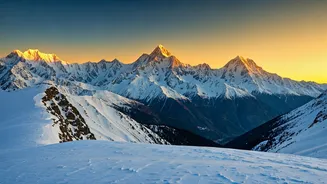
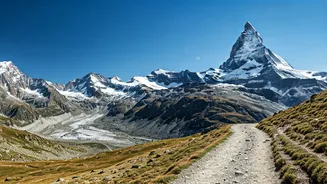
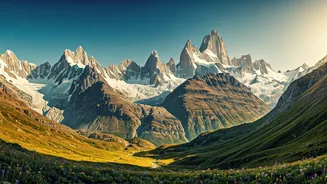
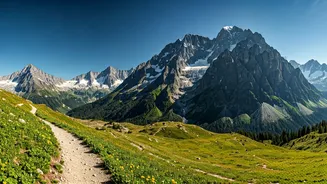
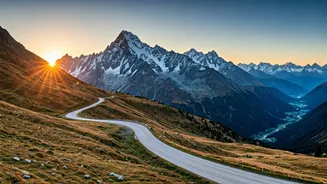
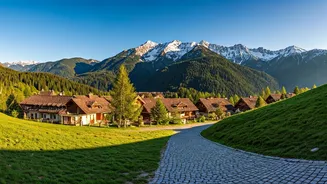
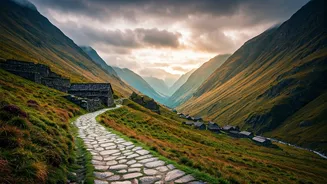
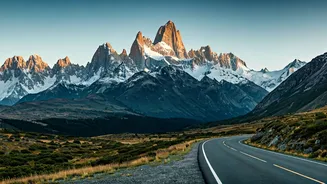
While Tbilisi itself is nestled in a valley, the 'mountain vibes' promise is fulfilled by its proximity to the Greater Caucasus range. This is where the landscape transforms into something truly epic, rivalling the Swiss Alps for sheer drama. The most popular day trip is the journey up the Georgian Military Highway towards Kazbegi (also known as Stepantsminda). This stunning drive takes you past the Zhinvali Reservoir’s turquoise waters and the Ananuri Fortress, a fairy-tale castle complex. The final destination is the iconic Gergeti Trinity Church, a 14th-century monastery perched on a mountaintop at 2,170 metres, with the snow-capped peak of Mount Kazbek looming behind it. The view is breathtaking and offers that soul-stirring mountain experience the headline promises. Whether you go for a hike or just soak in the view, it’s a powerful reminder of Georgia’s wild, untamed beauty, all just a few hours' drive from the capital.