




The Heart of the Bhog: Niramish Khichuri
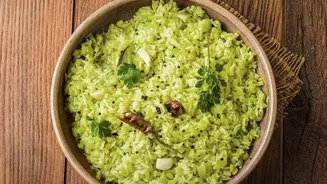
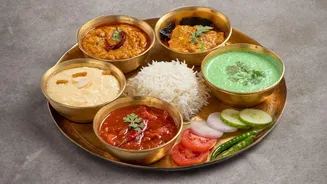
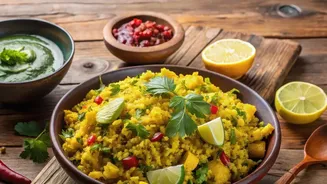
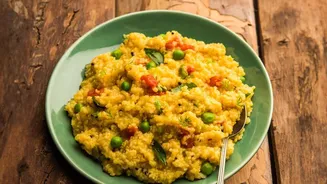
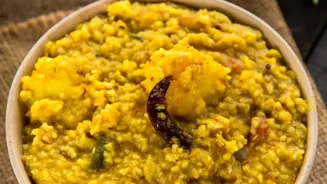
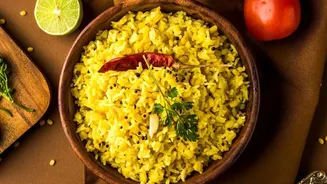
Bhoger khichuri is the centerpiece of the Puja feast, a comforting one-pot meal that’s both simple and profoundly flavourful. What sets it apart is its 'niramish' or sattvic nature—it is made without any onions or garlic. The key to its unique, nutty
aroma is the use of Sonamugi or Gobindobhog rice and moong dal that has been dry-roasted until fragrant before cooking. This single step elevates the dish from a simple khichdi to the divine bhog. Cooked with vegetables like potatoes and cauliflower, it's seasoned with ginger, turmeric, and whole spices like cinnamon, cloves, and cardamom, all bloomed in ghee or mustard oil for that authentic Bengali touch. The final consistency should be soft and porridge-like, hearty but not heavy.
Khichuri Recipe & Method
Ingredients: 1 cup Gobindobhog or other short-grain rice, 1 cup moong dal, 2 medium potatoes (cubed), 1 small cauliflower (florets), 1/2 cup green peas, 1-inch ginger (grated), 2-3 green chillies, 2 bay leaves, 1 cinnamon stick, 3-4 cloves, 2-3 green cardamoms, 1 tsp cumin seeds, 1/2 tsp turmeric powder, salt to taste, 1 tsp sugar (optional), and 3-4 tbsp of ghee or mustard oil. Method: First, dry roast the moong dal in a heavy-bottomed pan on low heat until it turns light golden and aromatic. Wash and set aside. In a large pot or pressure cooker, heat ghee or mustard oil. Fry the potato cubes and cauliflower florets until golden brown and set them aside. In the same oil, temper with bay leaves, dried red chillies, cumin seeds, and the whole garam masala (cinnamon, cloves, cardamom). Once they crackle, add the grated ginger and green chillies and sauté for a minute. Add the washed rice and roasted dal, turmeric powder, and salt. Sauté for another two minutes. Pour in about 5-6 cups of warm water, add the fried vegetables and peas, and bring to a boil. Cover and cook on low-medium heat, stirring occasionally, until the rice and dal are soft and mushy. Add a pinch of sugar and a final dollop of ghee before serving.
The Perfect Partner: Niramish Labra
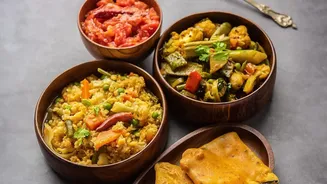
Labra is a quintessential Bengali mixed vegetable dish that is the perfect accompaniment to khichuri. It's a harmonious medley of seasonal vegetables, where each retains its character yet contributes to a unified, delicious whole. A typical labra includes a variety of vegetables like pumpkin, potatoes, sweet potato, radish, brinjal, and pointed gourd (potol). The magic lies in the 'paanch phoron'—a Bengali five-spice blend of fenugreek, nigella, cumin, black mustard, and fennel seeds—which is used for tempering. Like the khichuri, labra is also niramish and gets its gentle warmth from ginger paste. The vegetables are cooked down until they are soft and almost melting into each other, creating a comforting texture.
Labra Recipe & Method
Ingredients: 5-6 types of mixed vegetables (about 500g total), chopped into even-sized cubes (e.g., pumpkin, potato, brinjal, radish, sweet potato), 2 tbsp mustard oil, 1 tsp paanch phoron, 2 bay leaves, 2 dried red chillies, 1 tbsp ginger paste, 1/2 tsp turmeric powder, salt to taste, 1 tsp sugar, and a spoonful of ghee for finishing. Method: Heat mustard oil in a kadhai. Fry the brinjal cubes first until golden and set them aside. In the same oil, add the paanch phoron, bay leaves, and dried red chillies. Once they sputter, add the harder vegetables like potatoes and sweet potatoes first, and sauté for a few minutes. Next, add the remaining vegetables like pumpkin and radish. Add the ginger paste, turmeric powder, and salt. Stir well, cover, and cook on a low flame, allowing the vegetables to cook in their own juices. You may sprinkle a little water if needed. Once the vegetables are tender and cooked through, add the fried brinjal and sugar. Mix gently. The final dish should be moist, not dry. Finish with a drizzle of ghee.
The Sweet Finale: Tomato and Khejur Chutney
No bhog platter is complete without a glistening spoonful of sweet and tangy chutney. The classic choice is a chutney made from ripe tomatoes, sweetened with sugar or jaggery, and made rich with dates (khejur) and often aamshotto (dried mango pulp bars). This chutney serves as a palate cleanser, perfectly balancing the savoury khichuri and labra. Tempered with either paanch phoron or just mustard seeds and a dried red chilli, its preparation is quick and simple. The tomatoes are cooked down until they become soft and mushy, creating a jam-like consistency that’s studded with the sweetness of raisins, dates, and the unique chewiness of aamshotto.
Sweet Tomato Chutney Recipe & Method
Ingredients: 500g ripe tomatoes (chopped), 1/2 cup sugar (adjust to taste), 1/4 cup pitted dates (chopped), a few pieces of aamshotto (chopped), 1 tbsp raisins, 1 tbsp mustard oil, 1/2 tsp paanch phoron or mustard seeds, 1 dried red chilli, a pinch of salt. Method: Heat mustard oil in a pan and temper with the dried red chilli and paanch phoron. Add the chopped tomatoes and a pinch of salt. Cover and cook until the tomatoes are completely soft and pulpy. Add the sugar and stir until it dissolves completely. The chutney will darken in colour. Now, add the chopped dates, raisins, and aamshotto. Simmer for another 5-7 minutes until the chutney reaches a thick, syrupy consistency. Remember that it will thicken further upon cooling. Let it cool completely before serving.