





The Challenge of Humid Heat
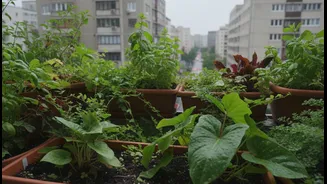
High humidity makes hot days feel even hotter. This is because the air is already saturated with moisture, which slows down the evaporation of sweat from our skin—the body's natural cooling mechanism. In urban areas, this effect is amplified. Concrete
and asphalt absorb and radiate heat, creating 'urban heat islands' that make our cities, and by extension our homes, significantly warmer and more uncomfortable, especially during the monsoon or in coastal regions. This trapped heat and moisture can make balconies and terraces feel almost unusable during the hottest parts of the day.
Nature's Air Conditioners at Work
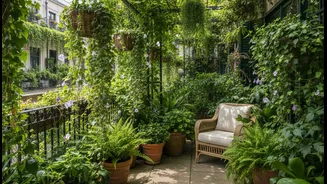
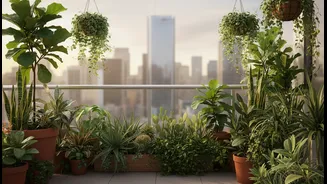
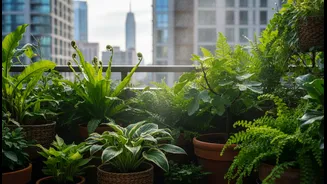
This is where terrace greenery comes in as a game-changer. Plants are essentially nature's own air conditioners, using a process called evapotranspiration. Through their leaves, plants release water vapour into the atmosphere. This process requires energy, which is drawn from the surrounding air as heat. As the water evaporates, it actively cools the air around the plant. A single large plant can have a noticeable cooling effect, and a collection of them on a terrace can lower the ambient temperature, making the space feel fresher and more pleasant.
The Power of Natural Shading
Beyond the science of evapotranspiration, there's a simpler, more direct benefit: shade. The canopy of plants, whether from a leafy creeper, a potted tree, or a cluster of shrubs, physically blocks solar radiation. This prevents the sun from heating the floor and walls of your terrace, which would otherwise absorb that heat and radiate it back into your living space, even long after the sun has set. Shaded surfaces can be significantly cooler than those exposed to direct sun, providing immediate relief and reducing the overall heat load on your home.
Creating a Cooling Microclimate
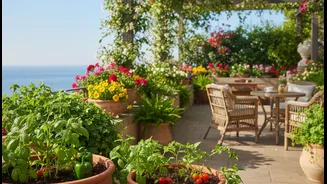
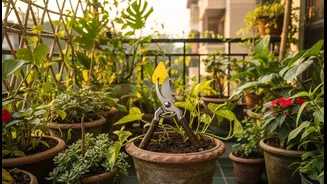
When you combine the effects of evapotranspiration and shade from multiple plants, you create a 'microclimate' on your terrace. This small, localised area becomes an oasis of relative cool and comfort. Placing plants close together enhances this effect, as they collectively create a more significant pocket of cooled, shaded air. This not only makes your terrace a more inviting space for a morning cup of tea or an evening chat but also helps cool the air entering your home, potentially reducing the reliance on air conditioning and lowering energy bills.
Choosing Your Green Champions
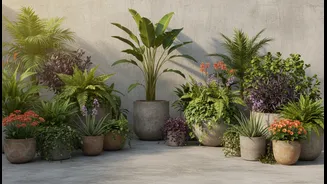
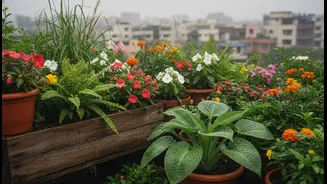
For India's humid weather and monsoon season, you need plants that thrive in these conditions. Look for varieties that love moisture but are also hardy. Ferns, for example, adore humidity and bring a lush, tropical feel. Plants with large leaves like Monstera or Areca Palms provide excellent shade and contribute significantly to evapotranspiration. Many popular Indian household plants such as Hibiscus, Jasmine (Mogra), and Tulsi are well-suited to these conditions. For a functional bonus, consider growing monsoon-loving vegetables like gourds or leafy greens like spinach.
More Than Just Cool Air
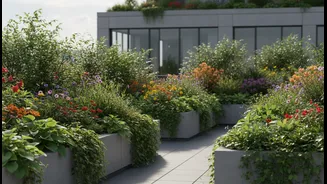
The benefits of a terrace garden extend far beyond temperature regulation. Plants are natural air purifiers, filtering out pollutants and releasing oxygen, which is a significant advantage in urban environments. The act of gardening itself is a proven stress reliever, offering a welcome connection to nature amidst city life. Furthermore, these small green pockets can support urban biodiversity by attracting birds and pollinators, adding another layer of life and vibrancy to your home.