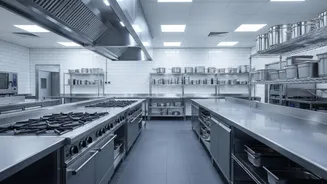








The Unseen Guests in the Kitchen
Every commercial kitchen, with its constant supply of food, water, and warmth, is an ideal shelter for pests. The most common intruders are cockroaches, rodents, and flies. Cockroaches are nocturnal and masters of hiding in small cracks and crevices,
often going unnoticed during business hours. Rodents like rats and mice not only contaminate food with their droppings and urine but also damage property by gnawing through wiring and packaging. Flies, often dismissed as a minor nuisance, are significant carriers of disease, transferring pathogens from decaying waste to clean food surfaces with ease. These pests are not just a sign of poor sanitation; they are a direct threat to public health.
What Recent Inspections Reveal
Recent food safety drives, such as a notable one in Bengaluru, consistently bring troubling issues to the forefront. In early August 2026, inspections of several hotels, including three- and five-star establishments, uncovered violations like expired food products, fungal growth on vegetables, and unhygienic storage conditions. While these reports highlight broad hygiene failures, they are part of a larger, ongoing concern. A recent survey found that 57% of consumers have observed dirty dining areas, kitchens, or washrooms in restaurants. Even when inspections don't find active pest infestations, they often reveal the conditions that invite them, such as improper waste management, uncovered drains, and structural gaps that serve as entry points.
From Nuisance to Serious Health Hazard
The presence of pests in a kitchen is far more dangerous than just being unappetizing. These creatures are vectors for a host of serious illnesses. Rodents can transmit diseases like Salmonella and Leptospirosis. Cockroaches are known to carry bacteria responsible for dysentery, typhoid fever, and gastroenteritis, while their shed skins and droppings can trigger allergies and asthma attacks. Flies are capable of spreading bacteria like E. coli and Salmonella, picking up pathogens from garbage and sewage and depositing them on food and preparation counters. This contamination can lead to foodborne illness outbreaks, which can have severe consequences for both public health and a restaurant's reputation.
The Rulebook: FSSAI's Mandate on Pest Control
The Food Safety and Standards Authority of India (FSSAI) has clear and strict regulations for pest control in food businesses. It is not merely a suggestion but a legal requirement for restaurants to maintain pest-free premises and implement an effective pest control program. This involves more than just occasional spraying. FSSAI guidelines mandate that establishments must have a documented pest management plan, maintain records of all treatments, and use only licensed pest control operators. The emphasis is on Integrated Pest Management (IPM), a sustainable approach that prioritizes prevention through proper sanitation, sealing entry points, and regular monitoring, using chemical treatments only as a last resort. Inspectors will look for evidence of this proactive approach, including fly screens, covered drains, and proper waste disposal.
A Diner's Guide to Due Diligence
As a customer, you can't inspect the kitchen yourself, but there are clues in the public areas that can signal a restaurant's commitment to hygiene. First, trust your senses; a clean, fresh smell upon entering is a good sign, whereas a foul or musty odor can be a red flag. Observe the general cleanliness of the dining area, including floors, tables, and cutlery. The condition of the restrooms is often a strong indicator of the kitchen's hygiene standards. Pay attention to the staff's appearance and whether they handle food hygienically. While not foolproof, the presence of flies in the dining area can hint at a larger problem in the back. Choosing popular establishments with high customer turnover often means the food is freshly prepared, reducing risks.