



A Tale of Two Monsoons
India is largely defined by the Southwest Monsoon, which brings widespread rain across the country from June to September. Chennai, however, lies in a rain shadow area during this period, receiving significantly less rainfall. The city's primary rainy
season is the Northeast Monsoon, which brings moisture-laden winds from the Bay of Bengal. This three-month period accounts for about 60% of Chennai's annual rainfall and nearly half of Tamil Nadu's total. This makes the performance of the Northeast Monsoon not just a matter of weather, but a critical factor for survival and economic stability in the region. A good Northeast Monsoon means replenished water sources, while a poor one signals an impending crisis.
The Reservoirs: Chennai’s Lifeline Lakes
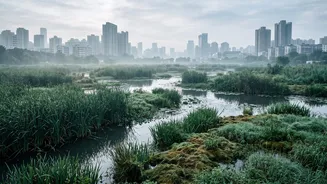
Chennai's water supply system is heavily dependent on a network of rain-fed reservoirs. The four main reservoirs—Poondi, Cholavaram, Red Hills (Puzhal), and Chembarambakkam—are the primary sources of drinking water for the city's millions of residents. These lakes, along with newer additions like the Kannankottai Thervoy Kandigai reservoir, are designed to capture the intense rainfall from the Northeast Monsoon. For example, as of October 15, 2026, ahead of the main monsoon spells, Chennai's key reservoirs were reported to hold just over a third of their combined capacity. The success of the October-December rains directly determines whether these vast lakes will fill up, securing water supply through the long, hot months that follow.
When The Rains Fail
The consequences of a failed Northeast Monsoon are severe and have been felt acutely in recent history. A series of deficient monsoons from 2016 to 2018 led to the infamous 'Day Zero' in June 2019, when the city's four main reservoirs ran completely dry. This catastrophic water crisis forced millions to rely on water tankers and distant public pumps, with significant impacts on public health, hygiene, and the economy. The 2019 crisis was a stark reminder of the city’s vulnerability and its direct dependence on this specific weather pattern. The memory of those parched reservoir beds and long queues for water underscores the high stakes of every Northeast Monsoon season.
The Outlook and Future-Proofing
As the 2026 Northeast Monsoon sets in, all eyes are on the forecast. The India Meteorological Department (IMD) announced the onset of the monsoon over south peninsular India on October 15, 2026, with predictions of normal rainfall for the season overall, though with regional variations. This comes as a relief, especially after a deficit in the preceding Southwest Monsoon left water levels lower than desired. Beyond hoping for good rains, Chennai is increasingly focused on long-term water security. This includes expanding rainwater harvesting, rejuvenating smaller water bodies like temple tanks, creating 'sponge parks' to absorb and recharge groundwater, and operating desalination plants to supplement reservoir supplies. These measures aim to make the city more resilient, reducing its absolute dependence on a single, often variable, source of rain.