

What is Dietary Diversity, Really?
In the wellness world, 'diversity' often brings to mind a long list of pricey, hard-to-find ingredients. But in nutritional science, it means something much simpler and more powerful: eating a wide variety of foods from different groups. This ensures
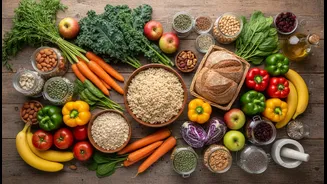
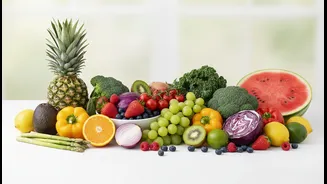
your body receives a broad spectrum of essential macronutrients (protein, carbs, fats) and micronutrients (vitamins, minerals) that no single food can provide. A diet rich in variety feeds a diverse gut microbiome, which is linked to better immune function, lower inflammation, and a reduced risk of chronic diseases. The goal isn't to chase trends, but to build a plate that reflects a rainbow of nutrients from accessible sources.
The Powerhouses in Your Pantry
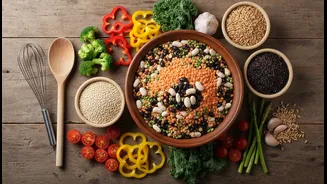
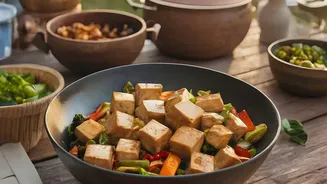
The foundation of a diverse Indian diet is likely already sitting on your kitchen shelves. Lentils and pulses, such as moong dal, chana, and rajma, are affordable champions of nutrition. They are packed with plant-based protein, essential for muscle repair, and dietary fibre, which aids digestion and helps regulate blood sugar. Similarly, whole grains like millets (bajra, ragi) and whole wheat are excellent sources of complex carbohydrates that provide sustained energy. These staples are not just fillers; they are nutrient-dense foods that form the backbone of a balanced meal, offering far more value than expensive supplements.
Embrace the Wisdom of Seasonal Vegetables
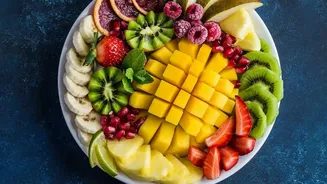
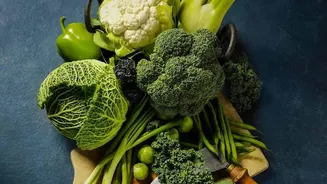
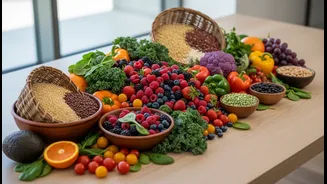
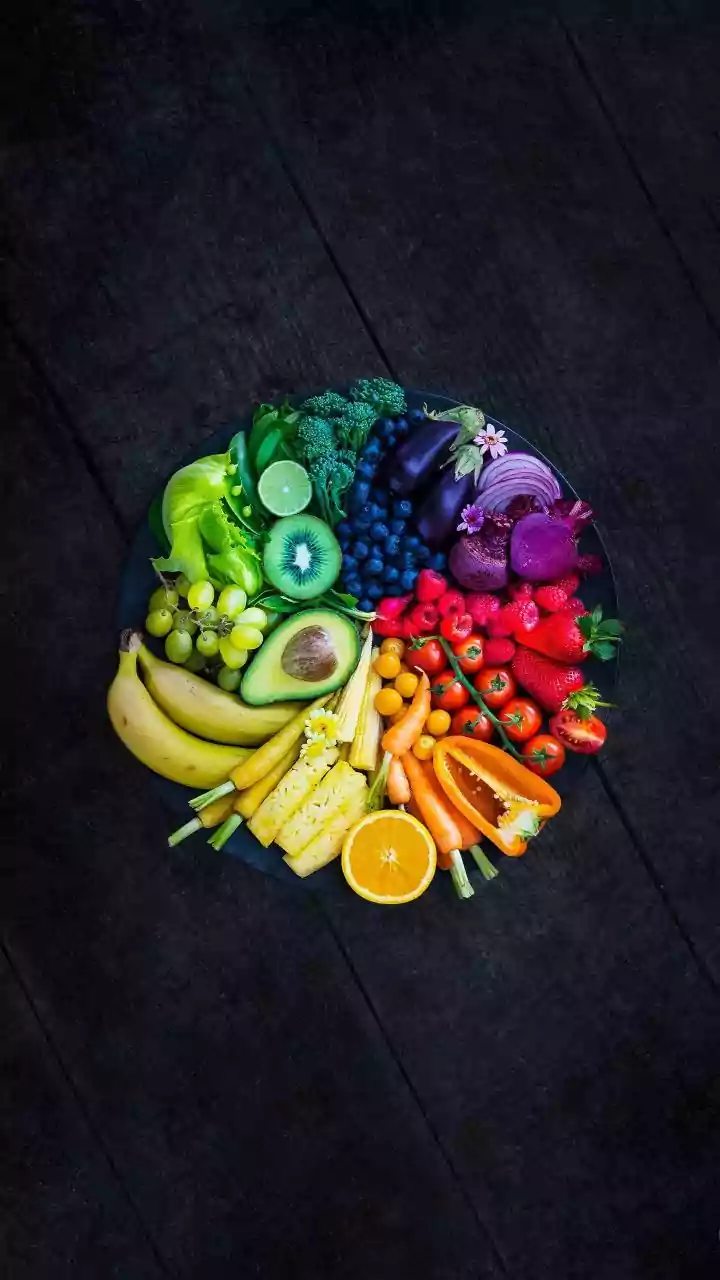
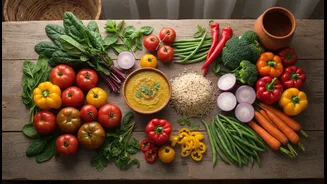
The ever-changing selection at your local sabzi mandi is one of your greatest assets for dietary diversity. Eating seasonal vegetables ensures you get produce at its peak freshness, flavour, and nutritional value. In winter, leafy greens like spinach and methi are abundant in iron and vitamins. Summer brings cooling vegetables like cucumber and lauki. Each vegetable offers a unique profile of vitamins, minerals, and antioxidants. Aiming to 'eat the rainbow'—incorporating greens, reds, yellows, and purples into your meals—is a simple way to ensure you're consuming a wide array of protective plant compounds called polyphenols.
The Art of the Balanced Thali
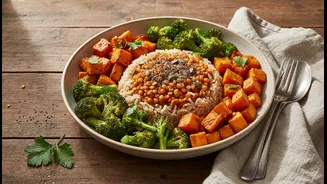
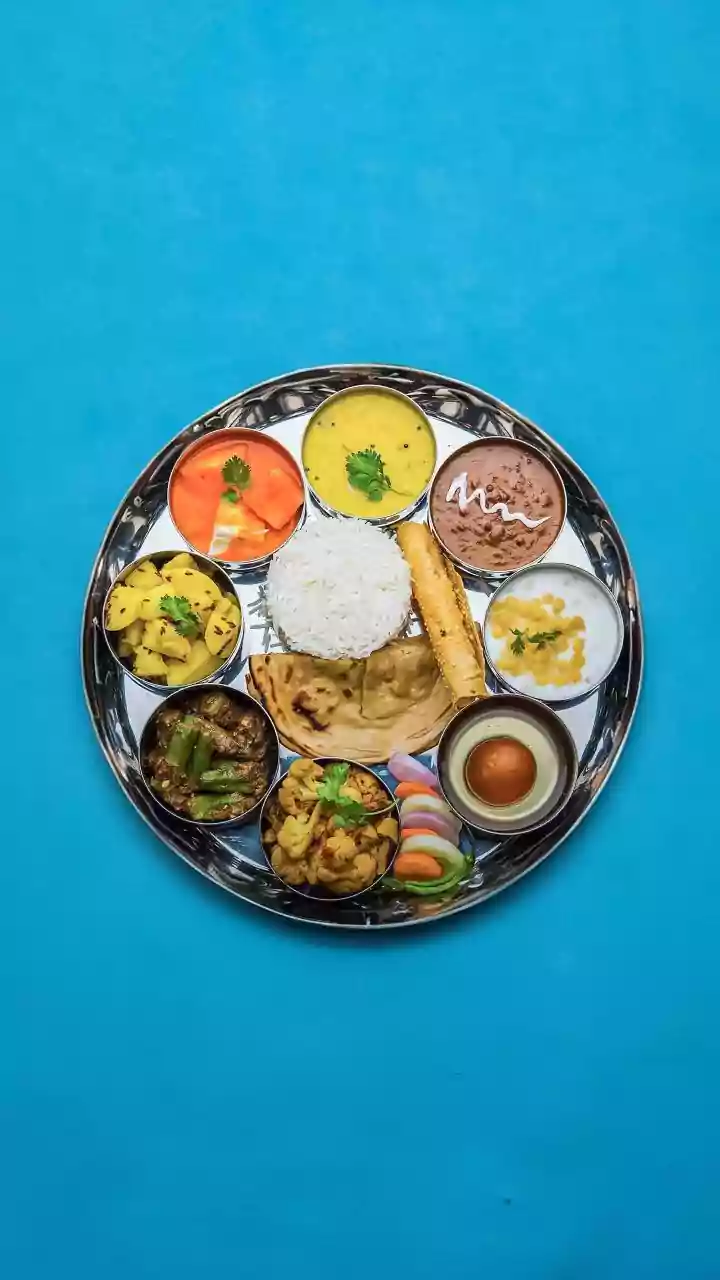
The traditional Indian thali is a masterclass in dietary diversity. It’s not just a meal; it's a balanced nutritional concept that has been perfected over centuries. A well-structured thali naturally incorporates all the key food groups in sensible portions. A typical plate includes a grain (roti or rice), a protein (dal or paneer), fibre-rich vegetables (sabzi), and a probiotic (curd or raita). This structure makes it easy to ensure balance without counting calories. By filling half your plate with vegetables, a quarter with protein, and a quarter with carbohydrates, you create a meal that is satisfying, delicious, and nutritionally complete.
Simple Swaps for Maximum Benefit
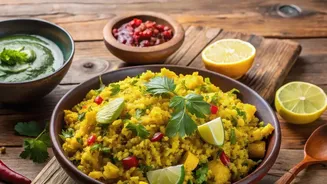
You don't need a complete dietary overhaul to improve nutritional diversity. Small, consistent changes can make a big difference. Try swapping white rice for brown rice or millets a few times a week to increase your fibre and mineral intake. Instead of relying on one type of dal, rotate between different lentils like toor, masoor, and chana. Add a simple kachumber salad (diced tomato, onion, cucumber) to your meals for a boost of raw enzymes and vitamins. Even the spices used in everyday cooking, like turmeric, ginger, and cumin, contribute valuable anti-inflammatory and antioxidant benefits, enhancing the nutritional value of your food.