







Start with a Statement Wall Hanging
The easiest entry point into textile decor is the wall hanging. It requires no sewing and makes an immediate, high-impact statement. Look for a piece of fabric—a vintage quilt block, a woven panel from a local artisan, or even a beautifully printed length
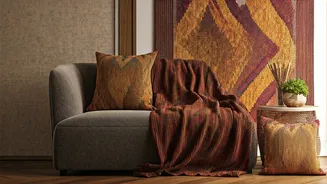
of linen—that speaks to you. A piece that is roughly three to five feet long works perfectly above a sofa or console table. You can hang it simply by using a thin wooden dowel, which you can slide through a sewn channel at the top or simply fold the fabric over and secure with clips. This method allows the textile’s natural texture and drape to become part of the art, adding a layer of softness and warmth that a framed print cannot replicate.
Elevate Your Pillow Game
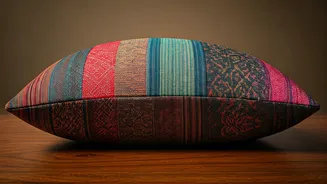
Throw pillows are a living room staple, but they don’t have to be generic. Sourcing handloom fabric allows you to create custom cushion covers that are truly one-of-a-kind. You don’t need much fabric, making this a great way to use smaller, more precious textiles you’ve found at a craft fair or on your travels. Consider fabrics with interesting textures, like slubby, raw silk or chunky, hand-dyed wool. Mix and match patterns and solids to create a curated collection on your sofa. If you don't sew, many local seamstresses or online services can turn your fabric into professional pillow covers for a reasonable fee. This small touch instantly elevates the entire room from cookie-cutter to deeply personal.
Frame Textiles as Fine Art
Treat a particularly beautiful or delicate piece of handloom fabric as you would a piece of fine art: frame it. This is an excellent way to preserve and showcase smaller textiles, like an embroidered swatch, a block-printed handkerchief, or a fragment of a heritage textile. Using a shadow box or a floating frame—where the fabric is mounted between two panes of glass—can create a stunning effect. This approach draws attention to the intricacy of the weave, the richness of the dye, and the skill of the artisan. Grouping several smaller framed textiles together on a gallery wall creates a compelling narrative and a sophisticated focal point.
Give Furniture a New Life
While reupholstering an entire sofa is a major project, you can make a huge impact with smaller-scale upholstery. Consider recovering the seat of a dining chair, an ottoman, or a small accent bench. For this, you’ll want a durable, tightly woven fabric. Many local weavers in the U.S. produce upholstery-grade material inspired by traditional patterns. This is where the story of sustainability shines brightest—you're not only supporting an artisan but also saving a piece of furniture from the landfill. The unique pattern and texture of a hand-woven fabric can transform a tired, overlooked piece into the most interesting object in the room.
Rethink Your Window Treatments
Store-bought curtains are functional, but custom panels made from handloom fabric are transformative. Lighter fabrics like hand-spun cotton or linen gauze can act as ethereal, light-filtering sheers, adding privacy without sacrificing brightness. The natural imperfections and subtle variations in the weave will catch the sunlight beautifully. Heavier woven fabrics, like those from American heritage mills, can create dramatic, insulating drapes that add color, pattern, and a sense of coziness. This is a larger investment, but one that defines the entire atmosphere of a living room, making it feel both grand and grounded.
Don't Forget the Details
Statement decor doesn't always have to be big. Small, thoughtful textile accents can tie a room together. Drape a colorful, hand-dyed runner over a coffee table or sideboard to add a pop of color. Use a sturdy piece of canvas or patterned fabric to create a custom log holder or a stylish magazine basket. You can even wrap fabric around a plain lampshade to give it a bespoke, textured look. These small touches reinforce your design story and show a deep appreciation for craft and materials, proving that sustainable living is about mindful choices, not grand gestures.